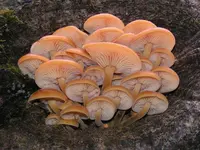
white coral jelly fungus Care (Sebacina sparassoidea)

white coral jelly fungus

About white coral jelly fungus

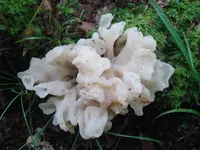
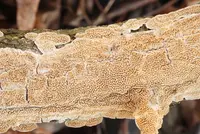
White coral jelly fungus, Sebacina sparassoidea, is a saprophytic fungus that feeds on decaying organic matter rather than living as a typical green plant. It forms soft, tangled, coral-like clusters with a translucent white to cream color and a gelatinous texture.

This species usually appears on the ground in mixed or coniferous woodlands, especially where leaf litter and woody debris stay moist. It can be challenging to cultivate intentionally, since it depends on specific soil fungi and substrate conditions that are hard to reproduce at home.

In general, it prefers cool, shaded, consistently moist environments with plenty of decomposing organic material. Anyone wanting to learn how to care for white coral jelly fungus at home should understand that success is often unpredictable.

Main Plant Requirements

Care Difficulty

Hard Care

Light Preference

Partial Shade

Water Requirements

Keep Soil Moist

Temperature Preference

Cool Climate

Hardiness Zone

Unknown

Soil Texture

Loamy, Silty, Organic-rich

Soil pH

Acidic (5.5–6.5)

Soil Drainage

Moist but well-drained

Fertilization

Minimal (feed rarely)

Get Personalized Care Plan

Scan your plant to receive care tips personalized for your specific plant

Available on iOS and Android

How to Care for the white coral jelly fungus

This woodland fungus prefers dappled forest light rather than direct, open sun.

  • Provide 2–4 hours of gentle morning sun with bright, filtered light for the rest of the day under a tree canopy or shrub layer.
  • Allow partial to full shade in summer; strong midday and afternoon sun can dry the substrate quickly and desiccate the fruiting bodies of white coral jelly fungus.
  • In autumn, when the sun is lower, slightly more open light is acceptable, but still avoid harsh, exposed sites that bake or fully dry out.

This fungus needs consistently moist, not saturated, soil around its tree partners to fruit well.

  • Aim for soil that feels evenly damp 5–10 cm deep, with no standing water or sour, swampy smell indicating poor drainage.
  • Increase moisture during warm, dry spells by irrigating the surrounding tree root zone when the top 3–5 cm of soil feel dry and crumbly.
  • Reduce added water in cool, wet seasons; oversaturation leads to anaerobic soil, reduced fungal activity, and possible decline in visible fruiting.

This species performs best in cool to mild conditions typical of shaded woodlands.

  • Optimal fruiting occurs around 50–68°F (10–20°C), often in cool, moist periods of late summer to autumn depending on region.
  • Tolerates down to about 32°F (0°C) in the soil, but hard freezes below 28°F (-2°C) usually damage or halt existing fruiting bodies.
  • Extended heat above 80°F (27°C), especially when combined with dry air and soil, suppresses growth, so deep shade and mulch help buffer temperature swings.

This jelly fungus prefers consistently moist, humid air around 70–90% to develop well.

  • Tolerates brief dips to 50–60% humidity but dries and collapses quickly in prolonged dry air or strong wind.
  • Watch for shriveling, translucent edges, or rapid surface cracking as signs of low-humidity stress.
  • Increase local humidity outdoors by placing it near dense groundcover, coarse mulch, or moist leaf litter where white coral jelly fungus naturally forms.

Sebacina sparassoidea fruits best in consistently moist, organically rich forest-type soil.

  • Aim for a loose, humus-rich, loamy substrate with fine wood chips or leaf mold that holds moisture but still drains freely.
  • Keep pH slightly acidic to neutral, around 5.5–7.0, avoiding limed or strongly alkaline ground that reduces fungal activity.
  • Blend sieved compost, shredded hardwood leaves, and a small portion of sand to improve structure, porosity, and air movement around fungal threads.
  • Avoid compacted, waterlogged, or heavily fertilized soils, which limit oxygen and can suppress the fungus or encourage competing microbes.

This species is not realistically suitable for container growing because it relies on natural soil ecosystems and host roots.

Sebacina sparassoidea is a woodland fungus that does not need direct fertilization, since it relies on its tree hosts and surrounding soil biology.

Sebacina sparassoidea requires no pruning, as the visible fruiting body is temporary and the main organism lives hidden in soil and roots.

This fungus is not suited to typical repotting; attention focuses on establishing and maintaining suitable host trees and soil conditions outdoors.

  • Avoid container culture; instead, grow host trees in the ground where soil stays evenly moist and rich in organic matter.
  • Transplant young host trees in early spring or early fall, minimizing root disturbance and keeping existing soil around the root ball.
  • Water transplanted hosts deeply after planting and maintain consistent moisture to reduce stress while roots re-establish.
  • Disturb the surrounding leaf litter and topsoil as little as possible, since the fungal network forms delicate associations with roots.

Propagation of Sebacina sparassoidea is specialized and rarely attempted by home growers, because it depends on complex partnerships with host tree roots.

This fungus is naturally cold hardy in temperate climates and generally needs no special winter care once established outdoors as white coral jelly fungus.

Care Tips

Host tree selection

Establish this mycorrhizal fungus with compatible hardwoods like oaks or beeches, and avoid disturbing established root zones so the symbiosis can develop and support recurring fruiting bodies.

Minimal ground disturbance

Once the fungus appears, keep foot traffic, raking, and digging off the fruiting area to preserve the fine mycelial network that sustains future flushes.

Leaf litter management

Maintain a light, undisturbed layer of deciduous leaf litter over the root zone to stabilize moisture and temperature, but gently move aside thick, matted layers only where they physically smother fruiting clusters.

Targeted moisture monitoring

Use a simple soil probe or trowel to check moisture 5–10 cm below the surface near the host tree roots and adjust irrigation only when the soil is drying at that depth, rather than watering on a fixed schedule.

Seasonal fruiting records

Keep simple notes or photos of when and where clusters emerge each year to understand local fruiting patterns, then time irrigation or reduced disturbance around these windows to support growing white coral jelly fungus over multiple seasons.

Common Pests and Diseases

Fungal parasites

This disease involves other wood-decay fungi colonizing the same substrate and overgrowing the white coral jelly structures. Symptoms include loss of the coral-like form, discoloration, and a fuzzy or crusty overlayer on the jelly tissue.

Solution

Remove and discard heavily overgrown fruiting bodies and any obviously competing fungal masses, then improve site hygiene by clearing excess woody debris and fallen branches. For intentional cultivation, use fresh, clean hardwood and avoid reusing substrates that already show mixed fungal growth, as this reduces the chance to grow Sebacina sparassoidea successfully.

Slugs and snails

These pests feed on the soft jelly tissue, leaving ragged edges, missing sections, and slime trails on or around the fungal mass. This feeding damage can quickly disfigure young fruiting bodies and limit spore production.

Solution

Hand-pick slugs and snails during cool, damp periods and reduce nearby hiding spots such as dense mulch piles, boards, or pots. In cultivated or display areas, use physical barriers like copper tape around bed edges or place iron-phosphate slug baits nearby, following label directions to minimize risks to pets and wildlife.

Mite feeding

These insects, especially soil and bark-inhabiting mites, graze on the surface of the jelly fungus and developing spores. Symptoms include pitted, roughened surfaces and fine, scattered dark specks that move under close inspection.

Solution

Gently rinse affected fruiting bodies with clean water to dislodge mites, and reduce very dry, dusty bark or leaf-litter layers that favor mite build-up. For repeated problems in managed settings, adjust moisture so the substrate stays evenly damp but not waterlogged, which supports the fungus while keeping mite numbers lower.

Fungal desiccation damage

This problem occurs when prolonged dry, windy conditions cause the jelly tissue to shrink, harden, and turn yellowish or brown. Symptoms include brittle, shrunken lobes that do not recover their gelatinous texture after moisture returns.

Solution

Maintain a more stable moisture level in the surrounding wood and leaf litter by using a moderate, not overly thick, mulch layer that helps retain humidity. In cultivated or display logs, provide shade and occasional gentle watering during extended dry spells, avoiding standing water that would instead encourage competing fungi.

Interesting Facts

Jelly coral structure

The fruiting body forms a dense, coral-like mass of gelatinous branches that are soft and brittle, often resembling cooked noodles more than typical mushroom caps or brackets.

Ectomycorrhizal partner

This fungus forms ectomycorrhizal associations with tree roots, especially oaks, exchanging mineral nutrients and water for sugars produced by the host tree.

Late-season fruiting

It typically appears from late summer into autumn in temperate forests, often emerging in clusters on soil rich in leaf litter under hardwoods.

Botan icon

Did you know?

Molecular studies have shown that this species belongs to the diverse Sebacinales group, a lineage of fungi known for forming unusually flexible and sometimes cryptic mycorrhizal relationships with a wide range of land plants, from trees to herbaceous species.

FAQs about white coral jelly fungus

This fungus develops fruiting bodies quite quickly once conditions are right, often appearing within days and reaching full size in about 3–7 days, then persisting for a short period before collapsing and decomposing.

Grow Healthy Plants with Botan Care

Keep your plants happy and healthy with plant identification, disease detection, and easy care guidance.

Botan plant care app — identify plants on mobile

Explore More Plants