Vermilion Amanita Care (Amanita xanthocephala)

Vermilion Amanita

About Vermilion Amanita

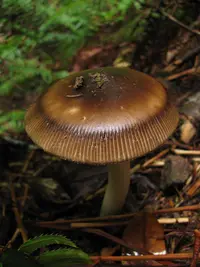
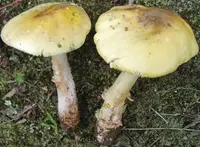
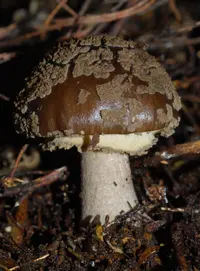
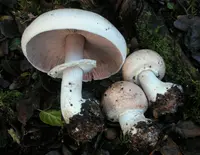
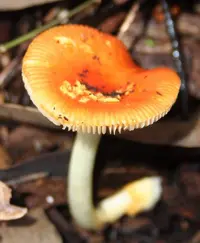
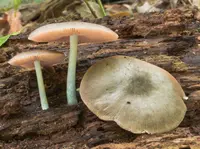
Vermilion Amanita, Amanita xanthocephala, is a small, brightly colored mushroom, not a true houseplant. It forms compact, orange to yellow caps with a smooth surface. The fruiting bodies appear close to the ground, often scattered or in small groups. It typically occurs in Australia, especially in association with native trees in dry sclerophyll forests and woodland.

This species forms mycorrhizal relationships, meaning it depends on living tree roots, which makes it very difficult to cultivate at home. For this reason, attempts to care for Vermilion Amanita indoors or in pots are rarely successful. It is best appreciated in its natural habitat rather than as a cultivated specimen.

Main Plant Requirements

Care Difficulty

Hard Care

Light Preference

Partial Shade

Water Requirements

Regular Water

Temperature Preference

Warm Climate

Hardiness Zone

Unknown

Soil Texture

Loamy, Sandy, Organic-rich

Soil pH

Acidic (5.5–6.5)

Soil Drainage

Moist but well-drained

Fertilization

Minimal (feed rarely)

Get Personalized Care Plan

Scan your plant to receive care tips personalized for your specific plant

Available on iOS and Android

How to Care for the Vermilion Amanita

This mycorrhizal fungus prefers bright, cool woodland light rather than exposed, open sun.

  • Provide 2–5 hours of dappled or filtered light, such as under eucalypts or other sparse canopy, avoiding full, open midday sun.
  • Tolerates light to moderate shade; dense, deep shade can reduce fruiting of Vermilion Amanita and lead to weak, sparse caps.
  • In hot summers, prioritize morning sun with afternoon shade; in cooler seasons, slightly more open light is acceptable if soil and host roots do not dry out.

Amanita xanthocephala relies on consistently moist, not saturated, soil around its tree partners.

  • Allow the top 2–5 cm of soil to begin drying between natural rains or supplemental watering, then re-moisten evenly without puddling.
  • Use sharply draining, sandy or loamy soil; prolonged standing water, foul smell, or slimy mycelium indicate overwatering and possible root partner stress.
  • In dry, warm periods, increase watering frequency to prevent soil from fully drying; in cool or rainy seasons, reduce or stop watering to avoid waterlogging.

This species fruits best in mild conditions typical of temperate woodland climates.

  • Optimal fruiting usually occurs around 55–72°F (13–22°C), with stable, moderate temperatures supporting consistent mycelial activity.
  • It can tolerate cooler periods down to about 32°F (0°C), but hard frost and repeated freeze–thaw cycles can damage fruiting bodies.
  • Sustained heat above 86°F (30°C), especially with dry soil, reduces fruiting; provide shade and maintain soil moisture during hot spells to buffer temperature swings.

Humidity is not a practical care factor for Amanita xanthocephala, which is a wild ectomycorrhizal fungus rather than a houseplant.

Amanita xanthocephala forms mycorrhizal relationships with tree roots, so it is not managed in conventional potting soil like a houseplant.

  • This fungus associates with living roots in well-aerated, leaf-litter-rich forest soil rather than standalone mixes.
  • Natural substrates are typically sandy to loamy with high organic matter from decomposing leaves and twigs.
  • Soils are usually mildly acidic, roughly pH 5.0–6.5, supporting both host tree health and fungal activity.
  • Avoid compacted, waterlogged, or heavily fertilized ground, which can damage host roots and suppress fruiting bodies.

This species is not suitable for container growing, as it depends on complex, long-term associations with host tree roots in natural soil.

This mycorrhizal fungus grows in association with native trees and does not need intentional fertilization in gardens or containers.

Amanita xanthocephala is not managed by pruning in home or landscape settings.

Transplanting is rarely appropriate because this fungus depends on a stable mycorrhizal partnership with host tree roots.

  • Avoid lifting or disturbing soil around host trees, since this disrupts the fine root and fungal network.
  • Do not attempt to pot or repot fruiting bodies; they are temporary structures emerging from an underground mycelium.
  • If soil must be moved for construction, keep disturbance minimal and localized to preserve fungal habitat.

Propagation of this mycorrhizal fungus is not practical for typical growers and is left to natural spore dispersal and root associations.

This wild fungus is adapted to local climates and does not require targeted winter care in gardens or natural areas.

Care Tips

Retain Native Substrate

When relocating or observing this species in a managed landscape, keep a generous plug of the original soil around the host tree roots so the existing mycorrhizal network remains intact and the fungus can continue fruiting.

Protect Mycelial Zone

Mark and avoid compacting the soil in the dripline area of the host tree, since repeated foot traffic and heavy equipment can crush the mycelium and sharply reduce future fruiting.

Limit Chemical Inputs

Minimize use of high-salt synthetic fertilizers and broad-spectrum fungicides around host trees, as these products can damage the fine root–fungus interface that this species depends on.

Maintain Leaf Litter

Allow a thin, patchy layer of leaf litter and fine woody debris to remain under the host tree instead of raking it bare, which helps conserve moisture and creates a stable microclimate for the underground mycelium when growing Vermilion Amanita.

Encourage Tree Health

Prioritize proper arboricultural care for the host tree, such as correct mulching depth and avoiding trunk damage, because a vigorous root system supports more reliable and abundant fungal fruiting bodies.

Common Pests and Diseases

Fungal gill necrosis

This disease causes browning, spotting, and breakdown of the gill tissue, leading to rapid loss of spore-bearing surfaces. Symptoms include softened, waterlogged gills that collapse and darken prematurely.

Solution

Remove and discard affected fruiting bodies promptly so they do not spread additional spores around the site. Avoid disturbing the mycelial area when very wet, and maintain good airflow and moderate shade around associated host plants to reduce prolonged surface moisture that favors this problem.

Mycophagous fly larvae

These insects lay eggs in young fruiting bodies, and the larvae tunnel through the cap and stem, leaving small holes, soft patches, and internal decay. This pest often causes mushrooms to collapse or rot from the inside before fully expanding.

Solution

Inspect developing caps frequently and remove infested mushrooms as soon as tunneling or soft spots are seen, disposing of them away from the growth area. Keeping the surrounding leaf litter thinly layered and avoiding heavy overwatering of adjacent plants helps make conditions less favorable for fly breeding.

Slugs and snails

These pests feed on the soft cap and gill tissue, leaving irregular holes, shredded margins, and slime trails on or near the mushrooms. Symptoms include missing sections of the cap and rapid deterioration of young fruiting bodies overnight.

Solution

Hand-pick slugs and snails during evening or early morning and relocate them away from the area. Where necessary, use iron phosphate slug bait around but not directly on the mushrooms, and reduce dense groundcover or debris that provides hiding places close to the fruiting zone.

Bacterial soft rot

This disease leads to wet, slimy, and foul-smelling decay of the cap and stem, often starting at damaged areas. Symptoms include rapid liquefaction of tissues during warm, humid weather.

Solution

Remove and dispose of affected mushrooms as soon as soft, slimy patches appear, and avoid stepping on or bruising remaining fruiting bodies. Limiting overhead watering near the host trees and improving drainage in compacted spots can reduce standing moisture that encourages this type of rot.

Interesting Facts

Bright warning colors

The cap is typically vivid yellow to orange with a reddish tinge and a paler margin, a color pattern interpreted as aposematic, meaning it likely signals unpalatability to potential predators.

Australian eucalyptus specialist

This fungus is native to Australia and is most often found in association with native eucalypt species, forming a mycorrhizal partnership where the fungus trades mineral nutrients for sugars from the tree roots.

Small, clustered fruiting

It usually produces many small caps only a few centimeters wide, often appearing in dense groups or scattered clusters on the ground among leaf litter rather than as large solitary mushrooms.

Botan icon

Did you know?

Unlike many well-known Amanita species that occur across multiple continents, this species is considered endemic to Australia and is closely tied to local sclerophyll habitats dominated by eucalypts and other native trees.

FAQs about Vermilion Amanita

This fungus is considered poisonous and should not be eaten by people or animals. It may cause serious digestive and neurological symptoms if ingested. Treat it as toxic, avoid handling with bare hands, and prevent children or pets from sampling caps.

Grow Healthy Plants with Botan Care

Keep your plants happy and healthy with plant identification, disease detection, and easy care guidance.

Botan plant care app — identify plants on mobile

Explore More Plants