


Establish mycorrhizal host
Inoculate the roots of suitable host trees such as pine or oak with colonized substrate, since this fungus must form a mycorrhiza (mutual partnership with roots) to fruit reliably.

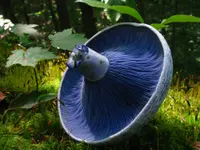
Indigo milk cap, Lactarius indigo, is a mycorrhizal mushroom that forms a symbiotic partnership with tree roots rather than growing independently like a typical garden plant. It is known for its distinctive blue to indigo cap and the blue “milk” that seeps from the gills when cut or damaged.
This species is usually found on the ground in mixed or coniferous woodlands, often in warm temperate to subtropical regions of North America and parts of Asia and Central America. It can be challenging to cultivate because it depends on a living host tree, so attempts to care for indigo milk cap must focus on supporting that tree and suitable woodland-like conditions.
In nature, it favors moist, well-drained, slightly acidic soils and dappled to partial shade under established trees.

Care Difficulty
Hard Care

Light Preference
Partial Shade

Water Requirements
Regular Water

Temperature Preference
Cool Climate

Hardiness Zone
Unknown

Soil Texture
Loamy, Silty, Organic-rich

Soil pH
Acidic (5.5–6.5), Slightly acidic (6.5–7.0)

Soil Drainage
Moist but well-drained

Fertilization
Minimal (feed rarely)
Scan your plant to receive care tips personalized for your specific plant
Available on iOS and Android
This ectomycorrhizal fungus prefers dappled woodland light rather than open sun.
Water management focuses on maintaining evenly moist, well‑aerated soil around the host tree roots.
This species fruits best in mild to warm conditions typical of late summer to fall woodlands.
This ectomycorrhizal mushroom needs consistently moist, humid conditions rather than typical indoor air levels.
This fungus relies on suitable outdoor soil around compatible host trees rather than a conventional potting substrate.
This species is not realistically suitable for container growing because it depends on complex mycorrhizal relationships with tree roots in open soil.
This mycorrhizal fungus gains most nutrients via its tree partners, so direct fertilizing of Lactarius indigo is rarely useful.
As a mushroom-forming fungus, Lactarius indigo is not managed through pruning and needs no structural cutting.
This species is a mycorrhizal partner of trees, so it is not suited to normal container culture or frequent transplanting.
Propagation of Lactarius indigo focuses on spreading spores or mycelium in association with compatible host trees and suitable soil.
This woodland fungus is naturally cold hardy in its native range and usually requires no specific winter care.

Plant Health Check
Not sure what's wrong with your plant? Check your plant's health inside the app.
When the fruiting body is cut or damaged, it exudes a striking indigo-blue latex that slowly turns green when exposed to air due to oxidation of its pigment compounds.
This species forms ectomycorrhizal associations with the roots of various pine and oak species, exchanging mineral nutrients and water for sugars produced by the host tree.
It is considered an edible mushroom and is eaten in parts of Mexico and Asia, yet it remains relatively uncommon in markets due to its limited distribution and often sparse fruiting in the wild.

The intense blue color of its flesh and latex is extremely rare among mushrooms and is caused by unique azulene-like pigment compounds that are still not fully characterized chemically, making the species of ongoing interest to mycologists and natural product chemists.
Yes, this mushroom is considered edible and is eaten in many regions when properly identified and cooked. As with any wild fungus, misidentification risk is serious, so only consume specimens confirmed by an experienced mycologist.
Keep your plants happy and healthy with plant identification, disease detection, and easy care guidance.

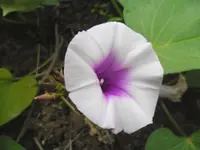
sweet potato
Ipomoea batatas
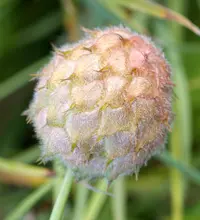
strawberry clover
Trifolium fragiferum
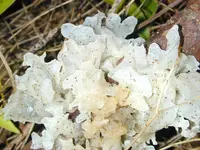
snow fungus
Tremella fuciformis
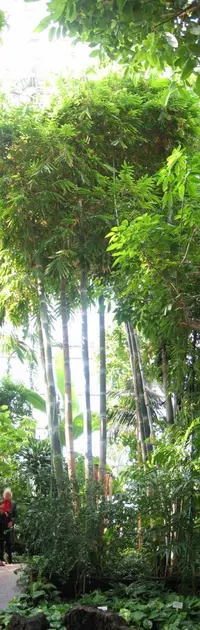
Giant Bamboo
Dendrocalamus giganteus
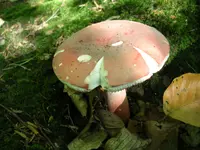
Fruity Brittlegill
Russula queletii
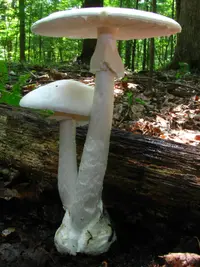
Eastern North American Destroying Angel
Amanita bisporigera
panther cap
Amanita pantherina
Italian parsley
Petroselinum crispum var. neapolitanum