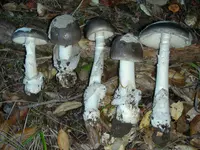
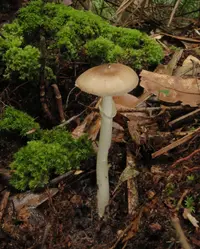
Beach Brittlestem Care (Psathyrella ammophila)

Also known as: dune brittlestem
Beach Brittlestem

About Beach Brittlestem

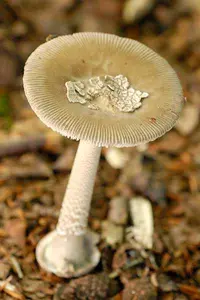
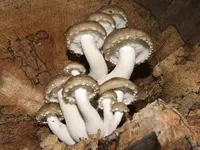
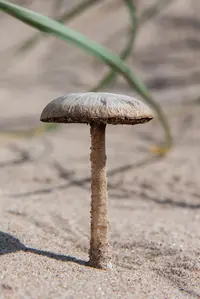
Beach brittlestem, Psathyrella ammophila, is a small, fragile mushroom rather than a leafy plant. It produces thin, pale to tan caps on slender, hollow stems that break easily.

This fungus typically appears in coastal sand dunes, often near marram grass, where it helps break down buried organic matter. It usually fruits in scattered groups after rain, then collapses quickly as it dries.

Its reliance on undisturbed, sandy, grass-stabilized dunes makes it specialized and not practical to cultivate at home. Those who wish to learn how to care for Beach Brittlestem should focus on conserving its natural dune habitat and avoiding disturbance to coastal ecosystems.

Main Plant Requirements

Care Difficulty

Moderate Care

Light Preference

Full Sun

Water Requirements

Moderate Water

Temperature Preference

Warm Climate

Hardiness Zone

Unknown

Soil Texture

Sandy, Organic-rich

Soil pH

Slightly acidic (6.5–7.0)

Soil Drainage

Well-drained

Fertilization

Minimal (feed rarely)

Get Personalized Care Plan

Scan your plant to receive care tips personalized for your specific plant

Available on iOS and Android

How to Care for the Beach Brittlestem

This coastal mushroom favors bright, open dune habitats with limited shade during its brief fruiting period.

  • Provide full sun to light partial shade, with 6–10 hours of direct sun ideal where sand stays slightly moist beneath the surface.
  • Morning and midday sun are well tolerated because caps emerge from buried stems; harsh late-afternoon sun is less damaging if the sand does not fully dry out.
  • Deep or constant shade reduces fruiting; in overcast or short-day seasons, fruiting may be sparse even in open dune exposures.

Psathyrella ammophila relies on naturally moist but fast-draining dune sand rather than direct watering.

  • Aim for slightly moist sand beneath the surface; the top 2–5 cm can be dry while deeper layers stay faintly damp from rainfall or sea fog.
  • Avoid standing water or compacted, poorly draining substrates, which lead to rapid cap collapse, mold growth, and decay of buried stems.
  • Extended absence of rain that leaves sand dry well below 5 cm usually halts fruiting, while sudden heavy soaking followed by drainage often triggers new mushrooms.

This dune-dwelling fungus fruits best in cool to mild conditions without hard frost or extreme heat.

  • Optimal fruiting typically occurs around 50–68°F (10–20°C), often in spring or fall when coastal sands stay cool and slightly moist.
  • Short exposures down to about 32°F (0°C) may damage or halt visible mushrooms, and repeated frosts usually end the fruiting period.
  • Sustained heat above 77–86°F (25–30°C) combined with dry wind quickly desiccates caps and sand, sharply reducing or stopping new fruiting bodies.

Humidity is not a key factor for Psathyrella ammophila, which naturally fruits in exposed coastal sand.

This fungus is specialized for loose, shifting sandy substrates rather than conventional garden soil.

  • Use very sandy, low-organic media that mimics dune sand, with at least 70–90% sharp sand or grit by volume.
  • Maintain excellent drainage so water moves through within seconds; avoid compacted or clay-based materials that hold moisture.
  • Keep the substrate low in nutrients, avoiding rich compost or manures that favor competing fungi and bacteria.
  • Aim for slightly acidic to neutral pH (about 6.0–7.0) and keep the sand well aerated by avoiding walking or compressing the surface.

This species is generally unsuitable for container growing, as it relies on natural dune dynamics and complex sand ecology.

Psathyrella ammophila, a dune-dwelling fungus, typically needs no fertilization when growing in natural sandy habitats.

Psathyrella ammophila does not require pruning in cultivation or in natural settings.

This beach-dune fungus is not suited to standard repotting and is rarely grown in containers, so focus on site conditions rather than moving it.

  • Transplant only if necessary, such as relocating from a disturbed area to a similar sandy, well-drained spot.
  • Choose cool, overcast weather in spring or fall to limit moisture stress on the mycelium, the main fungal body in the sand.
  • Move a generous block of surrounding sand intact, disturbing the buried mycelium as little as possible.
  • Water the new site lightly once, then allow normal coastal rainfall and avoid further disturbance.

Propagation of Psathyrella ammophila in home settings is difficult and not commonly attempted.

This coastal fungus is naturally cold hardy in temperate climates and does not need specific winter care beyond stable dune conditions.

Care Tips

Sand stability management

Gently firm the surrounding sand after storms or heavy foot traffic to reduce erosion around the mycelium zone and keep the dune surface from drying out too rapidly.

Discreet marking technique

Use low, unobtrusive markers such as short bamboo sticks or flat stones to identify productive patches so they are not accidentally trampled before fruiting bodies emerge.

Foot traffic control

Create a narrow, consistent access path to your observation or harvest area and avoid stepping on the same dune ridges where fruiting occurs, which helps preserve the fragile hyphal network in the sand.

Spore spread assistance

After caps mature and begin to darken, allow several to fully release spores in place or gently tap them over nearby suitable dune areas to encourage new colonization along the same sand system.

Microhabitat monitoring

Regularly check how wind exposure, sand movement, and nearby vegetation change through the season, and adjust any protective measures such as windbreaks or temporary fencing to support stable conditions for growing Beach Brittlestem.

Common Pests and Diseases

sand-dwelling springtails

These insects live in moist sand and organic debris around the mushroom base, feeding on decaying matter and occasionally grazing soft fruiting body tissue. Symptoms include minor pitting or surface scarring on caps and stems, usually in dense colonies near the base.

Solution

Limit excessive wetting of the sand, remove decaying plant litter, and improve drainage around fruiting areas. If damage is significant, use targeted spot drenching with a horticultural soap solution on the surrounding sand (not directly on mushroom caps) and reduce irrigation frequency to keep the surface just barely moist.

fungus gnat larvae

This pest thrives in damp, organic-rich sand where mushrooms emerge, with larvae feeding on mycelium and young developing fruiting bodies. Symptoms include aborted or misshapen mushrooms and thinning or patchy fruiting in previously productive areas.

Solution

Reduce constant moisture by allowing the upper sand layer to dry slightly between waterings and remove seaweed or other organic debris where adults breed. Yellow sticky traps help reduce adult populations, while a biological control such as Bacillus thuringiensis israelensis (Bti) applied to the moist substrate targets larvae without harming the mushrooms when used according to label directions.

moldy cap blotch

This disease appears as white, gray, or green fuzzy patches on caps, especially in humid, stagnant air or when sand and salt spray keep mushrooms wet. Symptoms include soft, waterlogged spots that quickly break down and contaminate nearby fruiting bodies.

Solution

Harvest mushrooms promptly when mature, avoid overhead watering or unnecessary wetting of caps, and maintain good airflow across the dune surface. Remove and discard affected mushrooms and nearby loose organic debris to reduce spore load, and avoid disturbing infected areas to prevent spreading spores along the sand surface.

bacterial soft rot

This disease causes localized, slimy, foul-smelling breakdown of caps and stems, often starting at contact points with wet sand or plant debris. Symptoms include translucent, water-soaked tissue that collapses quickly and can spread to adjacent fruiting bodies.

Solution

Minimize prolonged surface wetness by watering early in the day so sand dries at the surface by evening, and avoid pooling water around emerging mushrooms. Remove and discard any soft, slimy mushrooms and clear tightly packed seaweed or organic debris to improve air circulation and reduce contact moisture around developing caps and stems.

Interesting Facts

Sand-dune specialist

This fungus fruits almost exclusively on coastal sand dunes, where its mycelium grows buried among the roots of beach grasses and other dune plants.

Buried stem strategy

The slender stem often develops entirely below the sand surface, with only the cap emerging, an adaptation that stabilizes the mushroom against wind and moving sand.

Ephemeral fruiting bodies

The caps appear after coastal rains but degrade quickly, sometimes within a day, reflecting an adaptation to the dynamic and harsh dune environment.

Botan icon

Did you know?

This species is frequently associated with the roots and old stems of marram grass (Ammophila arenaria), and its scientific epithet ammophila refers to this close link with sand-loving grasses in dune ecosystems.

FAQs about Beach Brittlestem

This species is generally considered inedible and is not recommended for consumption. Identification within this genus is difficult, and confusion with toxic look-alikes is possible, so it is safest to avoid eating it entirely.

Grow Healthy Plants with Botan Care

Keep your plants happy and healthy with plant identification, disease detection, and easy care guidance.

Botan plant care app — identify plants on mobile

Explore More Plants