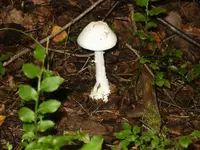
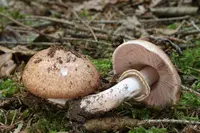
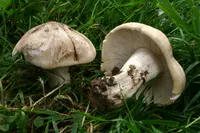
Yellow Patches Care (Amanita flavoconia)

Also known as: yellow dust amanita, yellow spotted amanita
Yellow Patches

About Yellow Patches

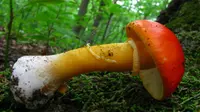
Yellow patches, Amanita flavoconia, is a small to medium-sized woodland mushroom, not a houseplant. It forms bright yellow, warty caps with a yellowish stem and white gills. The species appears mainly in mixed hardwood and conifer forests across eastern North America, often growing on the ground among leaf litter. As a mycorrhizal fungus, it lives in symbiosis with tree roots, so it cannot be grown easily in regular pots or garden beds. Those trying to care for Yellow Patches should know it prefers moist, shaded forest conditions with undisturbed, well-drained soil rich in organic matter.

Main Plant Requirements

Care Difficulty

Hard Care

Light Preference

Partial Shade

Water Requirements

Keep Soil Moist

Temperature Preference

Cool Climate

Hardiness Zone

Unknown

Soil Texture

Loamy, Silty, Organic-rich

Soil pH

Strongly acidic (4.5–5.5), Acidic (5.5–6.5)

Soil Drainage

Moist but well-drained

Fertilization

Minimal (feed rarely)

Get Personalized Care Plan

Scan your plant to receive care tips personalized for your specific plant

Available on iOS and Android

How to Care for the Yellow Patches

This woodland fungus favors dappled, forest-like light rather than open sun exposure.

  • Provide bright, filtered light or light shade, similar to a deciduous woodland edge, with 2–4 hours of gentle morning sun at most.
  • Avoid strong midday and afternoon sun; direct exposure for more than 2 hours can dry the substrate and damage Yellow Patches fruiting bodies.
  • In summer, rely on overhead tree canopy or shade structures; in cooler seasons, slightly more open light is acceptable as long as the ground does not dry out.

This mycorrhizal fungus depends on consistently moist, well-drained forest soil rather than fixed watering schedules.

  • Aim for soil that stays evenly moist 5–10 cm down, never waterlogged; coarse organic matter and leaf litter help drainage around Amanita flavoconia.
  • If cultivating near host trees, water only when the top 3–5 cm of soil feel dry, then moisten slowly until water just begins to percolate through the profile.
  • Watch for overwatering signs such as standing water, sour smell, or slimy decay, and underwatering signs like shrinking caps and dry, cracking forest floor.

This species thrives in cool to mild forest conditions and is sensitive to both hard frost and extreme heat.

  • Optimal fruiting often occurs around 55–70°F (13–21°C), typical of late spring to early fall in temperate woodlands.
  • It tolerates brief drops near 32°F (0°C) but sustained frost or ground freezing can halt fruiting and damage developing structures.
  • Prolonged heat above 80°F (27°C) with dry air shortens cap life; partial shade and moist leaf litter help buffer temperature swings through the season.

This ectomycorrhizal fungus relies on naturally moist forest microclimates rather than controlled humidity.

  • Thrives in consistently humid woodland air around 60–90% found in shaded, mossy, or leaf-littered habitats.
  • Shows humidity stress through cap cracking, shriveling margins, and unusually rapid drying of gills and flesh after emergence.
  • Maintain higher ambient humidity by preserving leaf litter, avoiding site clearing, and retaining nearby understory plants when caring for Yellow Patches.

This species depends on specific forest soil conditions rather than a conventional horticultural soil mix.

  • Prefers loose, well-aerated, organic-rich forest soil formed from decaying leaves, needles, and wood around host trees.
  • Requires rapid drainage with constant slight moisture; standing water, compacted clay, or waterlogged hollows quickly damage fungal mycelium.
  • Typically develops in slightly acidic soil, roughly pH 4.5–6, common in coniferous or mixed hardwood leaf litter layers.
  • Support Amanita flavoconia habitat by leaving leaf litter, small woody debris, and undisturbed roots of compatible trees instead of adding compost, perlite, or bark-based potting blends.

This forest-dwelling mushroom is not suitable for container growing because it relies on complex, living associations with tree roots in undisturbed soil.

Amanita flavoconia is a wild mycorrhizal fungus and is not fertilized like a garden or house plant.

Amanita flavoconia is not a plant and is never pruned as part of cultivation or management.

This fungus is not suitable for repotting; it forms essential mycorrhizal partnerships with tree roots in soil.

  • Leave existing colonies undisturbed, since disturbing the soil can damage the underground mycelium network.
  • Avoid digging, tilling, or transplanting in areas where fruiting bodies regularly appear.
  • If trees or soil must be moved, accept that local Amanita flavoconia fruiting may decline or disappear.

True propagation of Amanita flavoconia is not practical for home growers and is handled indirectly through habitat management.

This wild fungus is naturally cold hardy in its native range and does not require intentional winter care.

Care Tips

Spore Containment

Place a disposable plastic sheet or tray under the fruiting area to catch spores and decaying tissue, then seal and dispose of it after each flush to limit accidental spread into nearby beds or lawns.

Targeted Site Isolation

Establish the fungus in a dedicated, clearly marked woodland corner away from edible mushroom beds and high-traffic play areas to reduce confusion and accidental ingestion by children or pets.

Host Tree Management

Support the health of nearby host trees such as oaks, birches, or pines with appropriate mulching and root-zone protection, since a vigorous mycorrhizal partner improves long-term stability of the colony.

Minimal Disturbance Zone

Avoid deep digging, tilling, or heavy foot traffic in the colonized area so the underground mycelium network remains intact and continues producing consistent flushes over time.

Protective Signage Use

Install simple, weatherproof labels noting that the mushrooms are not edible and should not be handled, which is a practical safety measure when growing Yellow Patches in shared outdoor spaces.

Common Pests and Diseases

Mycophagous springtails

These insects feed on fungal tissue and can graze on young caps and gills, leaving small pits or irregular damage on fruiting bodies. Symptoms include minor deformities and surface scarring, especially in moist, organic substrates.

Solution

Limit overly wet conditions by allowing the forest floor or cultivation substrate surface to dry slightly between heavy rains or watering, while still keeping overall moisture adequate for fruiting. Gently remove heavily damaged fruiting bodies and reduce thick surface leaf litter to improve air movement, which lowers springtail numbers without disrupting the mycelium.

Fungus gnat larvae

This pest lives in moist organic matter and can tunnel into developing mushrooms, causing soft spots, internal galleries, and premature collapse of caps. Symptoms include distorted fruiting bodies and small entry holes near the stem or gill margin.

Solution

Reduce standing water and avoid waterlogged conditions so the upper substrate layer stays moist but not saturated, which disrupts larval development. If fruiting bodies are being produced in contained beds or experimental setups, use fine mesh barriers over vents and openings and remove infested mushrooms promptly to interrupt the life cycle.

Slug and snail grazing

These mollusks feed directly on soft mushroom tissue, leaving large ragged holes, slime trails, and partially eaten caps or stems. Symptoms include rapid loss of visible fruiting bodies, often overnight, in damp, shaded sites.

Solution

Hand-pick slugs and snails during cool, damp periods and remove them from the area, especially when fruiting bodies first appear. Maintain slightly less dense ground cover immediately around known fruiting spots and, in managed beds, use physical barriers such as copper tape or rough mineral rings to deter grazing without affecting the underground mycelium.

Mold overgrowth on caps

This disease involves opportunistic molds colonizing aging or injured mushrooms, forming fuzzy white, green, or gray patches on caps and gills. Symptoms include rapid softening, discoloration, and breakdown of fruiting bodies in very humid, stagnant air conditions.

Solution

Improve airflow around fruiting sites by thinning dense ground litter where practical and avoiding artificial coverings that trap moist air. Promptly remove and discard moldy or collapsing fruiting bodies to reduce spore load, which helps keep newer mushrooms clean and slows further mold colonization in areas where people are observing or documenting wild specimens.

Interesting Facts

North American specialist

This species is native to eastern North America and is most often found in mixed forests, especially with birch, hemlock, and spruce, forming underground mycorrhizal partnerships with their roots.

Distinctive yellow ornamentation

Its cap is covered with bright yellow to orange warts that are remnants of a universal veil, a temporary tissue that surrounds very young mushrooms and later breaks up into the spotted pattern on the mature cap.

Seasonal fruiting pattern

Fruiting bodies typically appear from mid-summer to late autumn, often after periods of rain, reflecting the species’ reliance on sustained soil moisture and active tree root growth.

Botan icon

Did you know?

This species is considered inedible and potentially toxic, and like many Amanita species its exact toxin profile is still not fully characterized, so consumption is strongly discouraged even though it can look visually appealing.

FAQs about Yellow Patches

This mushroom is considered poisonous and must not be eaten. It contains gastrointestinal and potentially neurotoxic compounds. Identification mistakes with other amanitas are common, so no part should be consumed, even after cooking or drying.

Grow Healthy Plants with Botan Care

Keep your plants happy and healthy with plant identification, disease detection, and easy care guidance.

Botan plant care app — identify plants on mobile

Explore More Plants