Panellus luxfilamentus Care

Panellus luxfilamentus

About Panellus luxfilamentus

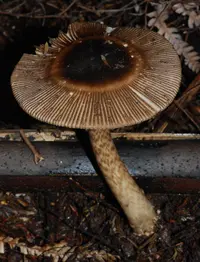
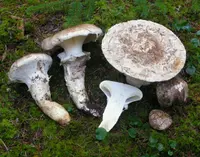
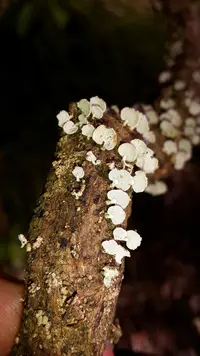
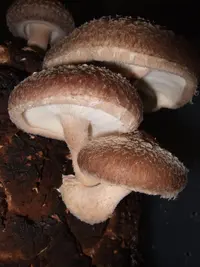
Panellus luxfilamentus is a bioluminescent fungus, not a traditional leafy houseplant. It forms small, thin, shell-like caps on decaying wood, often in clustered tiers. In darkness, the mycelium and sometimes the gills emit a soft green glow, which is its most distinctive feature.

This species is native to parts of East Asia and is typically found in humid forests on rotting branches or logs. It is considered challenging to cultivate because it needs very stable moisture, fresh hardwood substrate, and cool, clean conditions. For anyone wanting to care for Panellus luxfilamentus, success depends on controlling contamination and providing a consistently damp, shaded environment.

Main Plant Requirements

Care Difficulty

Hard Care

Light Preference

Shade

Water Requirements

Keep Soil Moist

Temperature Preference

Warm Climate

Hardiness Zone

Unknown

Soil Texture

Peaty, Organic-rich

Soil pH

Strongly acidic (4.5–5.5)

Soil Drainage

Waterlogged tolerant

Fertilization

Minimal (feed rarely)

Get Personalized Care Plan

Scan your plant to receive care tips personalized for your specific plant

Available on iOS and Android

How to Care for the Panellus luxfilamentus

This bioluminescent fungus prefers low, indirect light that mimics a shaded forest floor.

  • Provide deep to partial shade with dappled or filtered light, similar to light under trees; 0–2 hours of weak morning sun is acceptable, but avoid direct midday or afternoon sun.
  • Panellus luxfilamentus shows best luminescence and growth when protected from harsh light; excessive sun causes drying, bleaching, and loss of glow.
  • In summer, shield from strong sun with shade cloth or a north-facing site; in winter, ensure some ambient daylight but no direct sun exposure.

Watering should keep the substrate evenly moist without staying soggy.

  • Maintain a consistently damp but not waterlogged substrate; surface should feel moist to the touch but not have standing water or a sour smell.
  • Reduce watering slightly in cooler seasons, allowing the top 0.5–1 cm of substrate to lose its glossy wet look before rewetting, while never letting it fully dry out.
  • If Panellus luxfilamentus mycelium turns yellow-brown or the substrate smells rotten, it signals overwatering; slow, shriveling growth indicates the culture is drying out.

Stable, cool to mild temperatures support reliable growth and bioluminescence.

  • Aim for 60–72°F (16–22°C) as the main growth range, which favors healthy mycelium development and fruiting.
  • Tolerates down to about 45°F (7°C) for short periods, but repeated chills slow growth and prolonged exposure near freezing can damage the culture.
  • Heat above 80°F (27°C) stresses the fungus; at 86°F (30°C) and higher, growth may stall or die back, so use a shaded, ventilated spot in hot weather.

This bioluminescent fungus performs best in consistently humid conditions that mimic a damp forest floor.

  • Aim for 70–90% humidity using a closed terrarium, propagation box, or tightly covered container setup.
  • Dry air causes caps to shrink, edges to curl, and bioluminescence to fade or stop glowing.
  • Increase humidity with moistened substrate, limited ventilation slots, and a small open water dish inside the growing chamber.

Panellus luxfilamentus grows on moist, decaying wood or wood-based substrates rather than conventional garden soil.

  • Use a fine, organic-rich lignocellulosic substrate such as sawdust, hardwood pellets, or well-soaked wood chips with some wheat bran for nutrients.
  • Ensure the substrate drains slowly but does not become waterlogged; excess free water encourages anaerobic conditions that harm the mycelium.
  • Maintain a slightly acidic environment around pH 5.5–6.5 by avoiding lime and choosing hardwood-based materials over alkaline additives.
  • Improve aeration by lightly mixing in coarse wood chips or chopped straw so the mycelium can colonize evenly without compacted, airless layers.

This species is well suited to container cultivation when provided with a stable, enclosed microclimate.

  • Use a rigid plastic box or jar that allows a 3–5 cm deep substrate layer while leaving extra headspace for fruiting bodies to develop without touching the lid.
  • Drill or melt a few small side holes just above substrate level so CO₂ can escape without causing rapid moisture loss.
  • Place the container on a stable, vibration-free surface, since repeated movement can disturb developing pins and reduce yield when trying to grow Panellus luxfilamentus.

This wood-decaying fungus typically needs little feeding when grown on nutrient-rich hardwood substrates.

Pruning is not relevant for this fungus, as fruiting bodies are short-lived and naturally replaced by new growth from the substrate.

Substrate renewal rather than classic repotting keeps cultivated Panellus luxfilamentus productive and healthy.

  • Prepare fresh, clean hardwood blocks or sawdust mix once the existing substrate is heavily colonized or yields decline.
  • Transplant small colonized pieces into fresh moist substrate, minimizing exposure to dry air to reduce mycelium stress.
  • Work in cool, shaded conditions, handling the white mycelial network gently to avoid tearing.
  • Maintain steady moisture and high humidity after transfer so the colony can re-establish and resume fruiting.

Cultivation relies on expanding mycelium rather than traditional plant-style propagation methods.

  • Use grain spawn or small colonized substrate pieces to inoculate fresh sterilized hardwood-based substrate.
  • Carry out transfers in late winter or early spring when indoor temperatures are stable, around 64–72°F.
  • Work with clean tools and surfaces to limit contamination from mold and bacteria.
  • Keep inoculated containers in darkness or low light with high humidity until the substrate is fully colonized.

Outdoor cultivation generally pauses in cold weather, while indoor setups need only stable cool conditions.

  • In cold climates, keep colonized substrate in a sheltered, frost-free place above 40°F to preserve mycelium vitality.
  • Avoid repeated freeze–thaw cycles, which can damage the fungal network within the wood.
  • For indoor fruiting kits, maintain moderate humidity and ventilation, but expect slower growth in winter.

Care Tips

Use decay blocks

Colonize small, dense hardwood blocks (such as oak or beech) rather than loose chips to keep the mycelium in a stable, moist matrix that is easy to move, stack, and observe in the dark.

Light-safe observation

To check the glow without stressing the mycelium, use very dim red light or short 5–10 second exposures of white light, then return the culture to darkness so bioluminescence intensity recovers.

Thin, not mix

If growth looks patchy or overly dense, carefully remove and discard a portion of colonized material instead of stirring the substrate, which disrupts the mycelial network and slows recovery.

Stacked microclimate

Arrange culture containers in a partially closed plastic bin with small side vents to create a stable, slightly more humid and draft-free microclimate while still allowing gas exchange.

Contamination zoning

Keep separate tools and a clearly defined work area only for caring for Panellus luxfilamentus, so that molds, yeasts, and bacteria from other projects are less likely to reach the cultures.

Common Pests and Diseases

Competing molds

This disease appears as fast-spreading, fuzzy or powdery growths in colors different from the intended white mycelium, often with off odors and stalled colonization. Symptoms include patchy contamination on the substrate surface or in jars and bags.

Solution

Remove and discard contaminated substrate promptly, sterilize or pressure-cook future substrate batches, and reduce airborne spores by working in a clean area with good hygiene practices. Improve gas exchange without exposing the culture directly to unfiltered air, and avoid over-wetting the substrate to limit mold spread when growing Panellus luxfilamentus indoors.

Bacterial blotch

This disease causes wet, slimy, sometimes yellow or brown patches on the mycelium or fruiting bodies, often with a sour or unpleasant smell. Symptoms include soft tissue that collapses quickly and fails to develop normal luminescent caps.

Solution

Discard heavily affected cultures, reduce misting so surfaces stay slightly moist but not wet, and increase fresh air exchange to dry standing water. Clean tools and containers with disinfectant or 70% alcohol between uses and start new cultures from uncontaminated tissue or spores.

Fungus gnat larvae

These insects lay eggs in moist substrate; the larvae feed on mycelium and developing fruiting bodies, causing weak growth and damaged pins. This pest also spreads fungal and bacterial contaminants between containers.

Solution

Use fine mesh screens on vents and keep the grow area clean and dry between cycles to reduce breeding sites. For active infestations, discard heavily infested blocks, use yellow sticky traps for adults, and allow the top layer of substrate or casing to dry slightly between mistings to make it less suitable for egg-laying.

Cobweb disease

This disease appears as very light gray, wispy fungal growth that spreads rapidly over the substrate and young fruiting bodies, often faster than the mushroom mycelium itself. Symptoms include a dull, non-luminous surface and soft, smothered pins.

Solution

Isolate or discard badly affected cultures, increase fresh air exchange, and lower humidity slightly to slow cobweb spread. At very early stages, some growers carefully spot-treat affected areas with a light hydrogen peroxide solution and then adjust air flow and cleanliness to prevent recurrence.

Green Trichoderma mold

This disease starts as white, dense patches that quickly turn bright or dark green, usually appearing after physical damage, high temperatures, or excess moisture in the substrate. Symptoms include stalled mushroom growth and a strong, earthy or musty odor from the contaminated area.

Solution

Remove and seal any contaminated blocks or containers and dispose of them outside the grow space, then thoroughly clean all surfaces, tools, and humidity equipment. For future cycles, ensure thorough substrate sterilization or pasteurization, avoid over-compacting or over-wetting the substrate, and maintain stable temperatures to reduce stress on the mushroom mycelium.

Interesting Facts

Bioluminescent mycelial threads

This species produces visible bioluminescence not only in its tiny fruiting bodies but especially along its hair‑like mycelial strands, creating a fine, glowing network in darkness. The light results from a luciferin–luciferase chemical reaction similar in principle to that of fireflies, but with a different fungal luciferin molecule.

Extremely small fruiting bodies

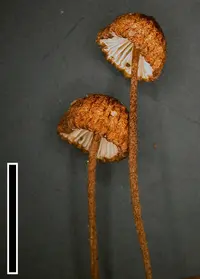
The mushroom caps are very small and delicate, often only a few millimeters across, which makes the glowing mycelial filaments far more visually striking than the fruiting bodies themselves. This miniature size has contributed to it being overlooked for many years in the field.

Recent scientific description

Panellus luxfilamentus was described relatively recently in scientific literature, after field observations of its unusual glowing filaments prompted detailed taxonomic study. Its recognition as a distinct bioluminescent species has expanded the known diversity of light‑emitting fungi in temperate forests.

Botan icon

Did you know?

The glow of Panellus luxfilamentus can be bright enough in very dark conditions for long‑exposure photography to capture detailed images of its filamentous light patterns without any artificial illumination.

FAQs about Panellus luxfilamentus

This bioluminescent fungus is usually cultured indoors under controlled, cool, humid conditions on sterilized wood-based substrates. Outdoor cultivation is difficult because fluctuating temperature, humidity, and contamination from other fungi or bacteria quickly suppress its growth and glow.

Grow Healthy Plants with Botan Care

Keep your plants happy and healthy with plant identification, disease detection, and easy care guidance.

Botan plant care app — identify plants on mobile

Explore More Plants