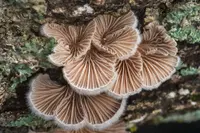
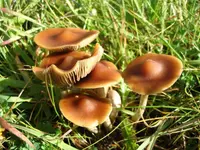
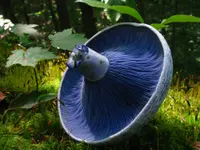
Western Woodland Lepidella Care (Amanita silvicola)

Also known as: Kauffman's Forest Lepidella
Western Woodland Lepidella

About Western Woodland Lepidella

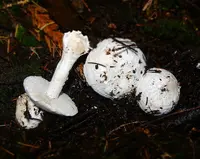
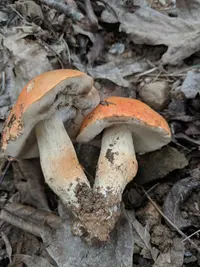
Western Woodland Lepidella (Amanita silvicola) is a woodland mushroom species, not a leafy houseplant. It typically forms white to pale cream caps with a slender, pale stem and a ring, often appearing in groups on forest floors. This fungus usually grows in mixed or coniferous forests, forming close associations with tree roots in cool to mild climates. Because it depends on these tree partners, it is not practical to cultivate indoors or in standard containers. Gardeners who want to learn how to care for Western Woodland Lepidella should understand that it prefers undisturbed, moist, well-drained forest soil with dappled light and natural leaf litter, conditions that are hard to reproduce at home.

Main Plant Requirements

Care Difficulty

Hard Care

Light Preference

Partial Shade

Water Requirements

Keep Soil Moist

Temperature Preference

Cool Climate

Hardiness Zone

Unknown

Soil Texture

Loamy, Silty, Organic-rich

Soil pH

Acidic (5.5–6.5)

Soil Drainage

Moist but well-drained

Fertilization

Minimal (feed rarely)

Get Personalized Care Plan

Scan your plant to receive care tips personalized for your specific plant

Available on iOS and Android

How to Care for the Western Woodland Lepidella

This ectomycorrhizal fungus prefers cool, subdued woodland light rather than direct open sun.

  • Provide bright but indirect light under a deciduous or conifer canopy, with 1–3 hours of weak morning sun and the rest of the day in dappled shade.
  • Avoid strong midday and afternoon sun, which can overheat and dry the leaf litter, reducing fruiting of Western Woodland Lepidella and stressing its tree partners.
  • In summer, seek shadier north or east-facing woodland edges; in spring and autumn, slightly more open, filtered light is acceptable as trees thin or leaf out.

This woodland fungus depends on consistently moist, not waterlogged, soil around its host tree roots.

  • Aim for soil that feels evenly moist 5–8 cm deep, with leaf litter that is flexible and not crispy; irrigate only if the layer is drying and no rain is forecast.
  • Ensure excellent drainage with loose, humus-rich soil; standing water, sour odor, or slimy litter indicate overwatering, which can damage Amanita silvicola mycelium.
  • In hot, dry periods, light, infrequent irrigation that just re-moistens the upper 5–10 cm is safer than heavy soaking; in cool, wet seasons, rely mainly on natural rainfall.

This species fruits best in cool to mild woodland temperatures with moderate seasonal variation.

  • Optimal conditions are around 55–70°F (13–21°C), typical of shaded forest floors in late summer to autumn, with stable moisture and limited temperature swings.
  • It tolerates down to about 30–32°F (-1–0°C) for short periods, but hard freezes below 25°F (-4°C) usually halt fruiting and can damage exposed mushrooms.
  • Sustained heat above 80–85°F (27–29°C), especially with dry air, quickly desiccates caps and litter; deeper shade and preserved leaf mulch help buffer these extremes.

Humidity directly affects fruiting of Amanita silvicola, which prefers consistently moist, not arid, air near the forest floor.

  • Target ambient humidity around 60–80% by maintaining a damp, organic-rich substrate rather than misting caps directly.
  • This fungus tolerates brief drops to 40–50% humidity but prolonged dry air suppresses fruiting and shrivels developing caps.
  • Low humidity stress appears as cracked caps, dry margins, and stalled growth; increase ground humidity with leaf litter, soaker hoses, or shaded, mulched microhabitats.

Amanita silvicola is a mycorrhizal fungus, so soil preparation focuses on mimicking its natural forest relationship rather than standard potting mixes.

  • Use a loose, well-aerated mineral soil with 30–50% coarse sand or fine gravel plus abundant leaf litter or conifer needles to imitate woodland humus.
  • Aim for slightly acidic conditions, roughly pH 5.0–6.5, avoiding limed or strongly alkaline sites that disrupt mycorrhizal formation.
  • Ensure rapid drainage; water should infiltrate quickly without pooling, since waterlogged, compacted, or clay-heavy soils suffocate fungal mycelium.
  • Improve structure and aeration by lightly incorporating shredded bark, partially decomposed leaf mold, and a small amount of sharp sand into the upper 10–15 cm.

This species is not suitable for typical container culture, since it relies on living tree roots and complex soil fungi interactions.

Amanita silvicola is a mycorrhizal fungus that does not benefit from direct fertilization in garden or container settings.

Pruning is not applicable to Amanita silvicola, as it is a wild mycorrhizal fungus rather than a managed garden plant.

Transplanting Western Woodland Lepidella is rarely successful, as this fungus depends on a stable root partnership with host trees.

  • Avoid digging up wild specimens; disturbing the soil disrupts the fine mycelial network that supports fruiting.
  • If attempting cultivation, establish suitable host tree seedlings in place and avoid moving them once colonized.
  • Minimize soil disturbance around fruiting sites to reduce stress on the underground mycelium, which functions like the plant’s root system.

Propagation of Amanita silvicola is highly specialized and generally not practical for home growers.

No specific winter care is required for Amanita silvicola, which is adapted to local seasonal conditions in its native woodland habitats.

Care Tips

Habitat Microclimate

Recreate a cool woodland edge by placing the host tree and substrate in a shaded, wind-sheltered corner outdoors where leaf litter can accumulate and moisture stays relatively stable without waterlogging.

Use Local Leaf Litter

Top-dress the inoculated area with a thin, loose layer of mixed deciduous leaf litter from healthy local woods to provide natural organic matter and beneficial microbes without burying the mycelium too deeply.

Avoid Soil Disturbance

Mark the inoculated zone and avoid digging, raking, or compacting the soil there so the delicate mycelial network can spread undisturbed around the host tree roots.

Host Tree Selection

Establish the fungus with compatible young conifers or broadleaf trees from local stock, then keep the trees healthy with proper watering and mulch, since the fungus depends on a vigorous host root system.

Minimal Chemical Use

Keep the area free from synthetic fertilizers, fungicides, and most systemic pesticides, and if treatment is required nearby, use targeted, non-systemic products and avoid run-off into the inoculated zone when caring for Western Woodland Lepidella.

Common Pests and Diseases

Mycophagous springtails

These insects feed on fungal tissue, often grazing on caps and gills and leaving small pits or surface scarring. This pest is most common in moist, organic-rich substrates where the fungus fruits repeatedly.

Solution

Reduce excess surface moisture and improve drainage around the fruiting area, as springtails thrive in constantly wet conditions. Gently remove heavily damaged fruit bodies and, if grown in controlled culture, allow the top layer of substrate to dry slightly between waterings while keeping deeper layers moist.

Fungus gnats

These insects lay eggs in moist fungal substrate, and larvae feed on mycelium and young primordia, which can distort or abort mushroom development. Symptoms include weakened, misshapen, or disappearing young fruiting bodies and small flying adults around the colony.

Solution

Limit standing moisture, use fine mesh over vents or openings to exclude adults, and remove decaying organic debris that attracts them. In controlled environments, sticky traps can reduce adult numbers, and adjusting airflow and humidity to slightly drier surface conditions helps protect the mycelium while still supporting fruiting.

Mite infestation

These pests, including various mycophagous mites, graze on mycelium, gills, and spore tissue, leaving a rough, scraped appearance on caps and stems. This pest tends to build up where fallen fruit bodies and leaf litter remain undisturbed for long periods.

Solution

Remove and discard old, decaying mushrooms promptly to reduce food sources and mite populations. In semi-cultivated or observation beds, maintain moderate but not stagnant humidity, lightly disturb the top leaf litter periodically, and avoid adding heavily infested forest litter from other sites.

Bacterial blotch

This disease causes water-soaked, greasy, or yellow-brown spots on the cap surface, especially in conditions of prolonged surface wetness. Symptoms include slimy patches and rapid tissue breakdown in affected areas.

Solution

Improve air movement at ground level so caps dry quickly after rain or watering, and avoid direct overhead irrigation that leaves standing droplets on the fruiting bodies. Remove and dispose of affected mushrooms to reduce bacterial load, and manage organic debris so moisture does not remain trapped around developing caps.

Parasitic mold

This disease, often caused by opportunistic molds such as Trichoderma species, colonizes damaged mycelium and young fruit bodies, leading to deformed, stunted, or fully overgrown mushrooms. Symptoms include dense green or white mold patches on or near the base of the fungus.

Solution

Remove and discard any mold-covered fruit bodies and nearby substrate, as these act as spore sources. Adjust the habitat to reduce chronic surface wetness and compaction, avoid physical damage to the mycelial area, and if under controlled conditions, sterilize or replace heavily contaminated substrate before attempting to grow Amanita silvicola again in the same container or bed.

Interesting Facts

White woodland cap

This species produces a smooth, white to ivory cap that often lacks the warty remnants seen in many other Amanita species, which can make field recognition more difficult for inexperienced foragers.

Mycorrhizal forest partner

It forms ectomycorrhizal associations with coniferous and mixed forests, especially with spruce and fir, exchanging mineral nutrients from the soil for carbohydrates from its tree hosts.

Potentially toxic look‑alike

Although sometimes reported as edible in older regional sources, it belongs to a genus that includes deadly species and is considered unsafe to eat due to the risk of confusion with highly toxic white amanitas.

FAQs about Western Woodland Lepidella

This species is considered poisonous and potentially deadly if eaten. It can cause severe gastrointestinal and neurological symptoms. Avoid ingestion, keep children and pets away, and never rely on appearance alone to judge edibility.

Grow Healthy Plants with Botan Care

Keep your plants happy and healthy with plant identification, disease detection, and easy care guidance.

Botan plant care app — identify plants on mobile

Explore More Plants