Crinipellis procera Care

Crinipellis procera

About Crinipellis procera

Crinipellis procera is a small saprotrophic fungus, not a leafy houseplant. It grows on decaying wood and plant debris, helping break down organic matter in forest ecosystems. Caps are typically thin, with a delicate stem, and can appear in loose groups on fallen branches or stumps.

This species is mainly recorded from tropical and subtropical regions, often in moist, shaded woodland habitats. It is not commonly cultivated, so information on how to care for Crinipellis procera is limited, and it is generally of interest to mycologists and nature enthusiasts rather than indoor growers.

In nature it favors consistently moist conditions, ample shade, and well-rotted woody material as its substrate, rather than conventional garden soil or pots.

Main Plant Requirements

Care Difficulty

Moderate Care

Light Preference

Partial Shade

Water Requirements

Keep Soil Moist

Temperature Preference

Warm Climate

Hardiness Zone

Unknown

Soil Texture

Loamy, Organic-rich

Soil pH

Acidic (5.5–6.5)

Soil Drainage

Moist but well-drained

Fertilization

Minimal (feed rarely)

Get Personalized Care Plan

Scan your plant to receive care tips personalized for your specific plant

Available on iOS and Android

How to Care for the Crinipellis procera

This fungus prefers bright but gentle woodland-type light rather than strong, open sun.

  • Provide dappled or filtered light, similar to light under trees, with roughly 2–4 hours of soft morning sun and shade the rest of the day.
  • Avoid hot afternoon sun, which can dry the substrate quickly and overheat developing fruiting bodies, reducing size and lifespan.
  • In summer, use partial shade or leaf litter cover; in low-light seasons, ensure the site still receives indirect daylight to support Crinipellis procera development.

Moist, airy substrate is essential for this fungus to fruit reliably.

  • Aim for consistently moist but never waterlogged soil or woody debris; the surface should feel damp to the touch without standing water.
  • Water when the top 2–3 cm of substrate begin to lose surface sheen or feel less cool, increasing frequency during hot, windy periods.
  • Reduce added moisture in cool seasons to prevent sour, stagnant conditions; slimy surfaces or sour odors suggest overwatering, while brittle, shrinking substrate indicates underwatering.

Stable, mild temperatures support healthy mycelium and reliable fruiting.

  • Optimal growth usually occurs around 60–75°F (16–24°C), with mycelium remaining active over a broader range if moisture and shade are adequate.
  • Protect from hard frost below about 30°F (-1°C), which can damage fruiting bodies, though buried mycelium may survive short cold spells under insulating litter.
  • In hot weather above 80–85°F (27–29°C), rely on deep shade and higher humidity to keep the substrate cooler and reduce stress on developing structures.

This fungus prefers consistently humid conditions similar to a damp forest floor.

  • Aim for 70–90% humidity by keeping the substrate evenly moist but not waterlogged.
  • Tolerates only brief drier spells; extended dry air leads to shriveling caps and stalled growth.
  • Signs of humidity stress include brittle stems, pale or cracking caps, and slow fruiting.
  • Increase humidity with a covered, ventilated tray, frequent fine misting, or a humidity tent over the culture.

Crinipellis procera develops best on loose, organic-rich substrates rather than true mineral soil.

  • Use a crumbly mix of well-rotted wood chips, shredded leaf litter, and a small amount of compost for nutrients.
  • Ensure very free drainage so water passes through quickly while the organic matter stays evenly damp, not saturated.
  • Maintain a slightly acidic environment around pH 5.5–6.5 by using hardwood-based material and avoiding lime or ash.
  • Improve aeration by mixing in coarse particles (chunky bark, coarse wood chips) and avoid dense clay or compacted garden soil.

This species can be grown in containers if the substrate and moisture are carefully managed.

  • Select a wide, shallow tub or tray to spread the woody substrate, which supports more even colonization and fruiting.
  • Drill multiple side and bottom holes so excess water escapes and air can reach deeper layers of the substrate.
  • Use a non-porous plastic container to retain moisture but elevate it on blocks so drainage holes never sit in standing water.

This wood-decaying fungus typically grows on nutrient-rich substrates and does not need intentional fertilization in cultivation.

As a saprophytic fungus, Crinipellis procera does not require conventional pruning, since fruiting bodies are temporary structures.

When managed in a controlled setup, focus on refreshing the substrate rather than traditional repotting for this fungus.

  • Replace the colonized wood or lignin-rich substrate once it becomes exhausted or heavily contaminated, indicated by weak or declining fruiting.
  • Plan substrate replacement at the end of a fruiting cycle to avoid interrupting active development.
  • Move colonized blocks gently, minimizing vibration and exposure to dry air to reduce mycelium stress.
  • Maintain similar moisture, temperature, and airflow conditions in the new location to support recovery.

Cultivation of this species is specialized, and home-scale propagation is rarely practical for most growers.

Outdoor occurrences follow natural seasonal cycles and generally do not require deliberate winter care interventions.

Care Tips

Sterilize Growing Medium

Before inoculation, pressure-sterilize or steam-pasteurize the substrate to reduce competing fungi and bacteria, which greatly improves colonization success when growing Crinipellis procera.

Use Fine Mist

Apply moisture with a fine-mist sprayer rather than heavy watering so the delicate fruiting bodies do not collapse or deform under water droplets.

Optimize Air Exchange

Provide gentle, indirect airflow with a small fan on low or a filtered vent to remove excess carbon dioxide without drying out the substrate surface.

Harvest At Ideal Stage

Harvest mushrooms when caps are fully expanded but not yet collapsing, using a clean blade to cut at the base, which reduces damage to the mycelium and supports repeat flushes.

Rotate Fruiting Trays

Rotate trays or containers 1–2 times per week so developing mushrooms receive more even microclimate and light distribution, resulting in more uniform clusters when caring for Crinipellis procera.

Common Pests and Diseases

Fungus gnat larvae

This pest targets moist mushroom substrates and can tunnel through developing fruiting bodies, leading to misshapen or decayed caps and stems. Symptoms include small black adult gnats flying around trays and soft, damaged tissue at the base of the mushrooms.

Solution

Reduce excess surface moisture, improve air exchange, and allow the top layer of the substrate or casing to dry slightly between misting. Use fine mesh or screens on ventilation openings, apply yellow sticky traps for adults, and, if necessary, drench the substrate with a biological control containing Bacillus thuringiensis israelensis (Bti) according to label directions.

Sciarid flies

These insects lay eggs in rich organic substrates, and the larvae feed on young mycelium and pins, causing poor pinset and aborted or water-soaked mushrooms. Symptoms include slender dark flies around the growing area and thinning or patchy mycelial colonization.

Solution

Improve hygiene by removing spent blocks and debris, seal gaps where flies can enter, and use sticky traps to monitor adult populations. In commercial-style setups, apply biological controls such as predatory nematodes or Bti products to the substrate and maintain good airflow to discourage high, stagnant humidity where flies thrive when trying to grow Crinipellis procera indoors or under cover.

Green mold (Trichoderma)

This disease appears as fast-spreading white mycelium that quickly turns bright or dull green on the substrate surface, often overtaking slow or stressed mushroom mycelium. Symptoms include stalled colonization, sour or earthy odor, and failure of pins to develop.

Solution

Isolate and remove contaminated blocks or trays as soon as green patches appear to prevent spore spread. Review and tighten sterilization or pasteurization steps, reduce handling of colonized substrate, improve fresh air exchange, and avoid over-wetting surfaces, which favors Trichoderma growth over healthy mushroom mycelium.

Bacterial blotch

This disease causes small, greasy-looking yellow to brown spots on caps, which may merge into larger soft areas under prolonged surface wetness. Symptoms include slimy patches on cap surfaces and distorted or unmarketable mushrooms despite otherwise normal mycelial growth.

Solution

Reduce standing water on caps by using gentler, less frequent misting and avoid overhead watering that leaves droplets sitting for many hours. Increase air movement to dry cap surfaces between humidification cycles, remove severely affected mushrooms promptly, and sanitize tools and containers with a suitable disinfectant to lower bacterial load.

Mite infestation

These pests feed on mycelium and young pins, leading to uneven colonization, deformed mushrooms, and fine dust-like movement on the substrate surface. Symptoms include slow growth, pitted or scarred stems, and visible tiny white or tan specks when examined closely.

Solution

Discard heavily infested substrates and thoroughly clean the growing space, focusing on cracks, shelves, and fans where mites hide. For ongoing setups, use heat treatment of empty equipment where safe, install fine mesh filters on air inlets, and, if needed, introduce approved predatory mites as a biological control while maintaining lower organic debris levels around the cultivation area.

Interesting Facts

Distinctly hairy cap

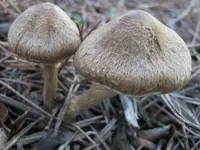
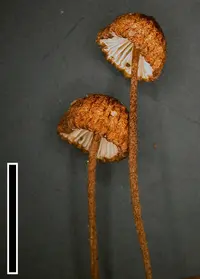
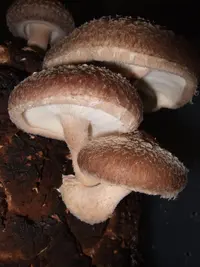
This small mushroom is recognized by its dry, reddish‑brown cap that is densely covered in fine hairs, giving it a velvety or fuzzy appearance under a hand lens.

Wood‑decaying specialist

It grows as a saprotroph, feeding on dead woody material such as sticks and small branches, and contributes to nutrient recycling in forest litter layers.

Slender, tough stem

The fruiting body has a notably long, thin, and somewhat tough stem compared with the cap size, an adaptation that helps lift the spore‑producing surface above dense leaf litter for more effective spore dispersal.

FAQs about Crinipellis procera

This is a small, wood-inhabiting mushroom with limited study and no established record as an edible species. It should be treated as inedible and avoided for consumption, especially since related fungi can cause gastrointestinal upset.

Grow Healthy Plants with Botan Care

Keep your plants happy and healthy with plant identification, disease detection, and easy care guidance.

Botan plant care app — identify plants on mobile

Explore More Plants