springtime amanita Care (Amanita velosa)

Also known as: Bittersweet Orange Ringless Amanita
springtime amanita

About springtime amanita

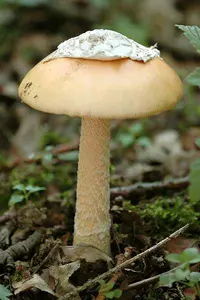
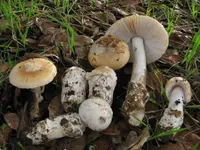
Springtime amanita, Amanita velosa, is a wild mushroom-forming fungus, not a traditional houseplant. It appears as a stout, pale to orange-brown capped mushroom with a thick, white stem and no distinct ring. The cap surface is usually smooth and lacks the bright spots seen in some other amanitas.

This species is native to the west coast of North America, especially California, where it fruits in spring in association with trees, often in mixed woodlands. It forms mycorrhizal partnerships with tree roots, so it cannot be grown reliably in pots or typical garden beds. For anyone exploring how to care for springtime amanita, it is essentially a forest-dependent species that prefers undisturbed, moist, well-drained soils and natural light patterns under trees.

Main Plant Requirements

Care Difficulty

Hard Care

Light Preference

Partial Shade

Water Requirements

Keep Soil Moist

Temperature Preference

Cool Climate

Hardiness Zone

9–11

Soil Texture

Loamy, Silty, Organic-rich

Soil pH

Acidic (5.5–6.5)

Soil Drainage

Moist but well-drained

Fertilization

Minimal (feed rarely)

Get Personalized Care Plan

Scan your plant to receive care tips personalized for your specific plant

Available on iOS and Android

How to Care for the springtime amanita

This woodland mushroom prefers gentle, filtered light rather than direct, intense sun.

  • In natural habitats, springtime amanita fruits at the edge of woods or in light gaps, receiving dappled shade and short periods of soft morning sun, usually 2–4 hours per day.
  • Avoid strong midday or afternoon sun, which can dry the upper soil layer quickly and damage emerging fruiting bodies at the surface.
  • Maintain partial shade year-round under shrubs or open tree canopy, adjusting position slightly in summer to reduce heat and light stress.

This ectomycorrhizal mushroom depends on consistently moist, well-drained soil rather than frequent surface soaking.

  • Aim for evenly moist soil in the upper 5–10 cm, allowing the very top 1–2 cm to dry slightly between natural rains or intentional watering.
  • Increase moisture support during active fruiting in cool, wet seasons, but let the soil drain freely; standing water or sour, swampy smells indicate overwatering and root-zone oxygen loss.
  • Signs of underwatering include noticeably dry, crumbly topsoil and stalled or aborting pins, while excess moisture leads to slimy caps and rapid decay of developing mushrooms.

This species fruits best in mild, cool to moderately warm conditions typical of coastal or low-elevation Mediterranean-type climates.

  • Optimal fruiting temperatures are about 50–65°F (10–18°C), often in late winter to early spring when soils are moist and night temperatures remain cool.
  • The mycelium in the soil tolerates down to about 32°F (0°C) for short periods, but hard freezes below 28°F (-2°C) can damage young fruiting bodies at the surface.
  • Sustained heat above 75–80°F (24–27°C) quickly shortens fruiting duration; in hotter months, activity shifts back into the soil, and visible mushrooms become rare.

Humidity is not a major controllable factor for Amanita velosa and should not be artificially adjusted when observing springtime amanita in nature.

This ectomycorrhizal fungus depends on specific outdoor soil conditions rather than a custom mix.

  • Requires naturally sandy to sandy-loam soil with loose, well-aerated structure that does not compact after rain.
  • Fruits best in soil that drains freely within a few hours; avoid waterlogged, clay-heavy, or poorly structured ground.
  • Prefers slightly acidic soil, typically around pH 5.0–6.5, often found under native oaks in undisturbed habitats.
  • Maintain a surface layer of leaf litter instead of added compost or bark-based mixes, which can disrupt natural host associations.

This species is not suitable for container growing because it relies on complex root associations with host trees in undisturbed soil ecosystems.

Amanita velosa is a wild mycorrhizal mushroom that relies on its tree partners and soil ecology, so direct fertilization is generally unnecessary and can be harmful.

Amanita velosa is a wild mycorrhizal fungus, not a garden shrub, so pruning is neither practical nor appropriate.

This mycorrhizal species depends on a living tree partner, so transplanting attempts usually fail and caring for springtime amanita focuses on habitat, not containers.

  • Avoid digging or moving fruiting bodies or surrounding soil, since the main fungus lives as fine threads around host tree roots.
  • If found in a garden, leave soil structure undisturbed and avoid tilling or compaction near the host tree drip line.
  • Maintain suitable habitat instead of transplanting by keeping leaf litter, moderate soil moisture, and no synthetic fertilizers around host trees.
  • For study or photography, collect only minimal specimens and leave most mushrooms in place to preserve the underground network.

Propagation of Amanita velosa is not a practical home task, since this species must form a complex symbiosis with specific tree roots to complete its life cycle.

Amanita velosa survives winter as an underground mycelial network associated with trees and generally needs no intentional winter care from gardeners.

Care Tips

Mycelium-friendly raking

Lightly rake away compacted leaf litter in late winter to expose the upper soil layer, but avoid disturbing deeper than 1–2 cm so the underground mycelium network remains intact and productive.

Host tree management

Maintain the health of nearby host trees (especially oaks) with proper watering during drought and avoidance of root disturbance, since stable tree roots and fine feeder roots directly support reliable fruiting of this mycorrhizal fungus.

Low-impact foot traffic

Mark out paths and foraging zones and keep regular foot traffic off the main fruiting patches to prevent soil compaction that reduces gas exchange and limits mushroom production.

Selective debris retention

Leave a thin layer of natural woody debris and older leaves around known fruiting spots to buffer moisture and temperature while still removing thick mats that can become waterlogged and anaerobic.

Fruiting body hygiene

Harvest mushrooms by cutting at the base with a clean blade rather than pulling, and remove decaying old fruiting bodies from the site to lower the local load of molds and insects that can damage future flushes when caring for springtime amanita.

Common Pests and Diseases

Fungus gnat larvae

This pest targets moist organic debris around the mushroom, where larvae feed on decaying material and fine mycelial strands. Symptoms include thinning or patchy mycelium and increased presence of small, dark adult gnats hovering over the substrate.

Solution

Reduce surface moisture by allowing the upper layer of substrate or soil to dry slightly between waterings and remove excess leaf litter or decaying plant material. For cultivated or observation trays, use fine sand or a top layer of coarse material to discourage egg laying, and apply Bacillus thuringiensis israelensis (BTI) to the substrate if larval populations remain high.

Slugs and snails

These pests are attracted to the moist, fleshy fruiting bodies and can cause irregular bites and shredding of caps and stems. Symptoms include ragged edges on caps, missing sections, and slime trails near fruiting sites.

Solution

Hand-remove slugs and snails around fruiting areas, especially in the evening or early morning, and reduce hiding places such as board piles and dense ground cover. Physical barriers like copper tape, diatomaceous earth rings, or low-profile traps can help protect emerging mushrooms without disturbing the surrounding mycelial network.

Mycophagous springtails

These insects inhabit damp soil and leaf litter and can graze on delicate mycelium and developing primordia, especially in contained or experimental culture settings. Symptoms include slow or uneven colonization of substrate and visible tiny white or gray insects jumping when disturbed.

Solution

Improve drainage and avoid overwatering in any managed habitat or culture tray, keeping the substrate moist but not saturated. If numbers are high, physically disturb the top layer to break up colonies and use yellow sticky traps nearby to reduce adult populations while maintaining overall substrate humidity suitable for growing springtime amanita.

Competitive saprotrophic fungi

This disease issue arises when fast-growing decomposer fungi colonize the same organic layer, outcompeting the mycelium for space and nutrients. Symptoms include patches of unfamiliar molds or dense, differently textured mycelial mats that replace or overlay the typical Amanita velosa mycelium.

Solution

Remove heavily contaminated organic matter or culture sections as soon as competing fungi are seen, and avoid adding fresh, nutrient-rich debris directly over established mycelial zones. In controlled culture, work with pasteurized or carefully selected substrates, maintain good airflow, and promptly discard plates or trays that show aggressive contaminant growth.

Bacterial blotch and decay

This disease affects exposed caps and stems during prolonged wet periods, causing soft, water-soaked lesions and surface discoloration. Symptoms include slimy patches, rapid tissue collapse, and an unpleasant odor as the mushroom decays.

Solution

Limit overhead watering or irrigation that directly wets fruiting bodies, and encourage gentle air movement to dry surfaces after rain or watering. Remove and discard affected mushrooms promptly to reduce local bacterial load and avoid handling healthy specimens with the same tools or containers used for decayed tissue.

Interesting Facts

Distinctive spring season

This species fruits almost exclusively in late winter and spring along the west coast of North America, making it one of the few amanitas that is largely restricted to the spring mushroom season in that region.

Preference for coastal oak

It forms ectomycorrhizal partnerships with coast live oak and other oaks in California, exchanging mineral nutrients from the soil for sugars from the tree roots and contributing to the health of these coastal woodlands.

Absence of deadly toxins

Analyses indicate that it does not contain the amatoxins and phallotoxins responsible for the lethally poisonous reputation of some other amanitas, although it is still considered a species that must be identified with great care before any use.

Botan icon

Did you know?

This species can show a striking pale salmon or apricot tint on the cap margin and gill edges when mature, a color pattern that helps field mycologists separate it from look‑alike white spring amanitas that may be dangerously toxic.

FAQs about springtime amanita

This species is edible but very risky to collect. It closely resembles deadly white amanitas, and misidentification can be fatal. Only highly experienced mycologists should consider eating it; the safest approach is to avoid consumption.

Grow Healthy Plants with Botan Care

Keep your plants happy and healthy with plant identification, disease detection, and easy care guidance.

Botan plant care app — identify plants on mobile

Explore More Plants