hairy parachute Care (Crinipellis scabella)

hairy parachute

About hairy parachute

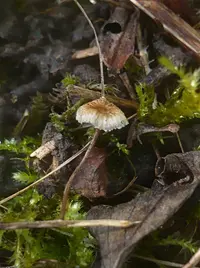
Crinipellis scabella, commonly called hairy parachute, is a small saprotrophic fungus that lives on decaying plant material rather than in pots or beds. It forms tiny, thin-stemmed mushrooms with a shaggy or hairy cap surface that gives the species its common name.

This species appears in temperate regions, often on old herbaceous stems, leaf litter, or woody debris in fields, gardens, and woodland edges. It is not suited to typical houseplant culture, so attempts to care for hairy parachute indoors are usually unreliable.

Cultivation is difficult because it depends on specific decomposing substrates, natural moisture cycles, and microclimate conditions that are hard to reproduce consistently in containers.

Main Plant Requirements

Care Difficulty

Moderate Care

Light Preference

Partial Shade

Water Requirements

Keep Soil Moist

Temperature Preference

Cool Climate

Hardiness Zone

Unknown

Soil Texture

Loamy, Organic-rich

Soil pH

Acidic (5.5–6.5), Slightly acidic (6.5–7.0)

Soil Drainage

Moist but well-drained

Fertilization

Minimal (feed rarely)

Get Personalized Care Plan

Scan your plant to receive care tips personalized for your specific plant

Available on iOS and Android

How to Care for the hairy parachute

This small saprophytic fungus prefers gentle, indirect woodland-style light rather than strong, open exposure.

  • Provide dappled or filtered light, such as under shrubs, grasses, or leaf litter, with about 2–4 hours of weak morning sun and bright shade for the rest of the day.
  • Avoid harsh midday and afternoon sun, which can dry the substrate too quickly and desiccate the delicate fruiting bodies of hairy parachute.
  • In hot, bright seasons, increase shade or leaf litter cover; in low-light seasons, ensure it is not buried too deep or shaded by dense debris.

Moist but airy substrate is crucial for stable fruiting of this saprophytic fungus on decaying organic matter.

  • Aim for consistently moist, never waterlogged conditions; the surface should feel damp to the touch but not slimy or puddled.
  • Allow the top 1–2 cm of leaf litter or wood-based substrate to begin to lose surface sheen before rewetting, using fine misting or gentle soaks for even moisture.
  • Reduce watering in cooler months to prevent rot and mold overgrowth, and watch for collapse or shriveling caps as a sign that Crinipellis scabella is too dry.

This species favors cool to mild conditions similar to shaded forest floors with moderate humidity.

  • Optimal growth and fruiting typically occur around 60–72°F (16–22°C), with stable moisture and shelter from direct sun and wind.
  • It tolerates brief drops to about 40°F (4°C), but repeated frosts or hard freezes can damage mycelium and halt fruiting until conditions improve.
  • Sustained heat above 80°F (27°C) combined with dryness can quickly desiccate fruiting bodies, so provide shade, mulch, and extra moisture buffering during hot periods.

This fungus tolerates a wide range of humidity but fruits best in consistently moist, moderately humid air.

  • Aim for 50–70% humidity around hairy parachute where fruiting is desired, avoiding prolonged air below 40%.
  • Dry air leads to small, short-lived caps and cracking or shriveling of fruiting bodies.
  • Increase humidity locally with damp leaf litter, misted mulch, or a perforated humidity tent that still allows air movement.

Crinipellis scabella fruits on very decayed plant debris rather than typical potting soil, so substrate structure matters more than mineral content.

  • Use a loose, fibrous mix of well-rotted wood chips, shredded leaves, and composted bark that mimics forest-floor litter.
  • Keep drainage moderate so the substrate stays evenly moist but never waterlogged, which quickly stops fruiting and encourages rot.
  • A slightly acidic reaction around pH 5.5–6.5 supports wood-decay activity and helps maintain a stable decomposing substrate.
  • Improve aeration by blending in coarse particles (chunky bark, larger wood chips) to prevent compaction as the organic matter breaks down.

This species is not well suited to traditional ornamental container culture, but it can be grown in shallow trays of decaying organic matter for observation.

  • Choose a wide, shallow tray rather than a deep pot to maximize surface area for colonized debris and fruiting clusters.
  • Use a rigid plastic or glazed container to slow moisture loss, then add side perforations or a breathable lid segment to maintain gas exchange.
  • Elevate the container on spacers so drainage holes stay clear, preventing stagnant runoff that can sour the decomposing substrate.

Crinipellis scabella is usually found on decaying wood and does not need routine fertilization in garden or indoor culture.

Pruning is generally unnecessary for Crinipellis scabella, as the fruiting bodies are short-lived and arise from buried wood or woody debris.

Transplanting focuses on moving the woody substrate that supports this fungus rather than handling the fruiting bodies directly.

  • Shift colonized wood or debris in late fall or early spring, when temperatures are mild and moisture is reliable.
  • Move only intact, visibly colonized pieces to reduce disturbance of the fine fungal mycelium.
  • Place the wood in a shaded, consistently moist, well-ventilated site that mimics the original habitat.
  • Limit transplant frequency; once established, allow the colony to stabilize undisturbed for several years.

Propagation of Crinipellis scabella is specialized and not typically attempted by general plant owners, as it is a wood-decaying fungus rather than a true garden plant.

Hairy parachute usually tolerates normal outdoor winter conditions within its natural range and needs no targeted winter care from gardeners.

Care Tips

Use breathable containers

Cultivate the fungus on breathable trays or slatted crates lined with coarse mesh so that air can circulate through the substrate and prevent anaerobic pockets that favor mold competitors.

Precondition the substrate

Before inoculation, pasteurize woody or plant-based substrate at 150–170°F for 30–60 minutes, then cool fully, to reduce competing fungi while keeping beneficial microbes partly intact.

Control surface moisture

Maintain a slightly damp but not glistening substrate surface by misting around, not directly on, emerging fruiting bodies to limit deformation and bacterial spotting.

Staggered substrate renewal

Instead of replacing the entire substrate at once, refresh it in sections every 2–3 weeks so the mycelium can bridge into new material and maintain continuous fruiting.

Monitor with simple logs

Keep a basic log of substrate type, moisture level, and ambient conditions for each batch, which helps refine hairy parachute care instructions and improve consistency over time.

Common Pests and Diseases

Fungal contamination

This disease appears when faster-growing molds or other fungi colonize the same substrate, outcompeting the mycelium and distorting or suppressing fruiting. Symptoms include discolored patches, unusual odors, or fuzzy growths of a different color spreading through the culture or growing container.

Solution

Remove and discard heavily contaminated substrates or containers, as mixed fungal growth is almost impossible to separate safely. For future cultures, use clean tools, pasteurized or sterilized substrate, good ventilation, and avoid over-wetting the medium to help maintain healthy Crinipellis scabella care conditions.

Fungus gnat larvae

These insects lay eggs in moist organic substrates, and the larvae feed on fine mycelial strands and developing primordia, which can weaken or stop mushroom formation. Symptoms include tiny black adult gnats flying near trays or pots and thin, translucent larvae in the upper substrate layer.

Solution

Reduce excess moisture, allow the top layer of substrate or potting mix to dry slightly between waterings, and remove decaying plant debris that attracts adults. Use yellow sticky traps for flying gnats and, if needed, apply a biological control such as Bacillus thuringiensis israelensis or beneficial nematodes to target larvae in the substrate.

Mite infestation

This pest includes small soil or substrate-dwelling mites that feed on fungal mycelium and young fruiting bodies, causing poor growth and deformed or aborted mushrooms. Symptoms include tiny moving specks on substrate surfaces and patches of thinned or dead mycelium.

Solution

Discard heavily infested cultures, as mites spread quickly and are hard to remove once established. For prevention, use clean substrate, avoid bringing in unsterilized forest soil or litter, maintain good hygiene around growing areas, and, in larger setups, consider introducing predatory mites compatible with mushroom production.

Interesting Facts

Preference for nettle stems

This species is frequently reported fruiting on dead or decaying stems of stinging nettle (Urtica species), indicating a particular affinity for this host material in many parts of Europe and North America.

Distinct hairy cap surface

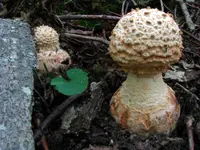
The small brownish cap is covered with conspicuous, stiff hairs, which give the fruiting body its characteristic rough, bristly appearance and help distinguish it from other tiny saprotrophic mushrooms.

Summer and autumn fruiting

It typically produces fruiting bodies in warm, moist conditions from late summer into autumn, reflecting its adaptation to decomposing herbaceous plant material during peak dieback periods.

FAQs about hairy parachute

Growth is very rapid but short-lived. This small saprophytic fungus appears after rain on rich organic debris, develops fruiting bodies within days, then collapses soon after spore release. It does not form long-term, expanding structures like perennial plants.

Grow Healthy Plants with Botan Care

Keep your plants happy and healthy with plant identification, disease detection, and easy care guidance.

Botan plant care app — identify plants on mobile

Explore More Plants