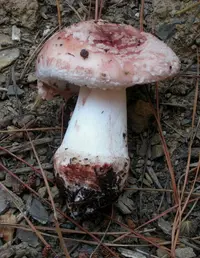
Plateful of Pyramids Lepidella Care (Amanita polypyramis)

Plateful of Pyramids Lepidella

About Plateful of Pyramids Lepidella

Plateful of Pyramids Lepidella is a common name sometimes used for Amanita polypyramis, a gilled mushroom rather than a leafy plant. It belongs to the large and varied Amanita group, which includes both edible and highly poisonous species.

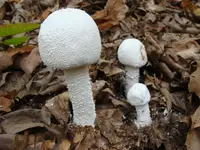
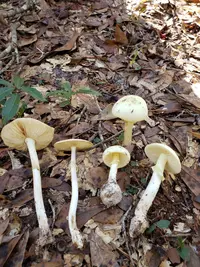
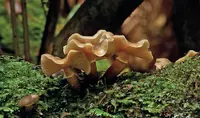
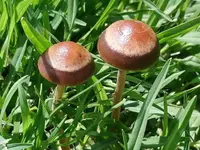
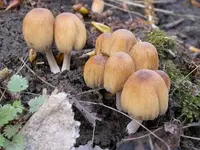
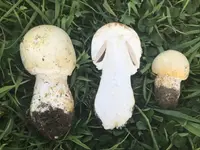
This species typically forms a sturdy stem with a cap that may show pale warts or pyramid-like patches, reflecting its name. It grows from the ground in wooded or mixed landscapes, often in association with tree roots.

Amanita polypyramis has a mycorrhizal lifestyle, meaning it depends on a partnership with trees, so it cannot be cultivated like usual houseplants. For this reason, how to care for Plateful of Pyramids Lepidella focuses mainly on habitat protection rather than home growing.


Main Plant Requirements

Care Difficulty

Hard Care

Light Preference

Partial Shade

Water Requirements

Keep Soil Moist

Temperature Preference

Warm Climate

Hardiness Zone

Unknown

Soil Texture

Loamy, Sandy, Organic-rich

Soil pH

Acidic (5.5–6.5), Slightly acidic (6.5–7.0)

Soil Drainage

Moist but well-drained

Fertilization

Minimal (feed rarely)

Get Personalized Care Plan

Scan your plant to receive care tips personalized for your specific plant

Available on iOS and Android

How to Care for the Plateful of Pyramids Lepidella

This fungus prefers bright woodland conditions with limited direct sun exposure.

  • Provide dappled or filtered light under trees, with 1–3 hours of gentle morning sun and full shade by afternoon for Plateful of Pyramids Lepidella.
  • Avoid harsh midday sun; prolonged exposure beyond 3–4 hours can dry the substrate and damage the delicate fruiting bodies.
  • In summer, choose east- or north-facing woodland edges; in cooler seasons, slightly more open canopy light encourages stronger fruiting.

This species relies on consistently moist, well-drained forest soil rather than direct watering of the mushrooms.

  • Aim for soil that stays evenly moist 5–10 cm deep, never waterlogged; allow the surface 1–2 cm to lose its sheen before adding water if managing a cultivated woodland bed for Amanita polypyramis.
  • Use loose, humus-rich soil with good drainage so excess water runs off, reducing the risk of fungal rot in buried mycelium.
  • Increase moisture in dry, hot periods with gentle, infrequent soaking, and reduce added water in cool, wet seasons; shriveling caps suggest dryness, slimy bases suggest excess moisture.

This woodland fungus prefers mild, stable temperatures typical of temperate forests.

  • Optimal growth and fruiting usually occur around 55–70°F (13–21°C), with cool nights and slightly warmer days supporting healthy mycelium activity.
  • It tolerates down to about 35–40°F (2–4°C) without lasting harm, but hard frost below 32°F (0°C) can damage or collapse exposed fruiting bodies.
  • Sustained heat above 80–85°F (27–29°C) dries soil and shortens mushroom lifespan, so partial shade and mulch help buffer summer temperature swings.

This species is not typically cultivated, and humidity control plays little practical role in caring for Plateful of Pyramids Lepidella.

This ectomycorrhizal fungus depends on natural forest soil rather than prepared mixes.

  • Prefers undisturbed, well-drained, sandy or loamy woodland soil rich in leaf litter and decomposing organic matter.
  • Associates with tree roots, so soil must allow fine roots and fungal hyphae to move freely without compaction.
  • Functions best in slightly acidic conditions, roughly pH 5.0–6.5, typical of coniferous or mixed forests.
  • Avoid fertilized, peat-heavy, or heavily amended garden beds, which disrupt the natural soil microbiome and its host-tree relationship.

Amanita polypyramis is not suitable for container growing because it relies on complex mycorrhizal relationships with tree roots in undisturbed soil.

This native woodland fungus does not benefit from direct fertilizing in garden or container culture, so additional feeding is generally unnecessary for Plateful of Pyramids Lepidella.

Pruning is not applicable to Amanita polypyramis, as it is a mushroom-forming fungus rather than a woody or leafy garden plant.

Transplanting this mycorrhizal mushroom is rarely successful, as Amanita polypyramis depends on a stable partnership with host tree roots and specific soil fungi.

  • Avoid routine transplanting; instead, maintain suitable trees and undisturbed leaf litter where the fungus already appears.
  • If relocation is attempted, move a generous plug of native soil and fine tree roots, keeping it intact and moist.
  • Carry soil plugs in a shaded, cool container to limit temperature swings and drying during transport.
  • Place the plug at the same depth in a compatible wooded site, then water lightly and avoid further disturbance.

Artificial propagation of Amanita polypyramis is challenging and rarely attempted outside research settings, because it depends on complex mycorrhizal relationships.

Specific winter care is not required for Amanita polypyramis, as the visible mushrooms are seasonal and the main organism remains protected in the soil.

Care Tips

Soil Inoculum Sharing

When you find a healthy wild colony, collect a small amount of the surrounding leaf litter and top 1–2 in of soil, then mix it into your growing site or container substrate to introduce the correct mycorrhizal fungi already associated with the species.

Host Tree Matching

Establish the fungus near compatible host trees such as pines or oaks of similar species to those where the mushrooms were originally found, since this Amanita depends on forming ectomycorrhizal (root-symbiotic) relationships for long-term survival.

Minimal Disturbance Zone

After introducing inoculated soil, mark out a 2–3 ft radius around the intended fruiting area and avoid digging, compacting, or frequently raking this zone so the delicate mycelial network can expand undisturbed.

Moisture Buffer Mulch

Apply a thin, airy layer of pine needles or shredded leaf litter over the inoculated area to buffer moisture and temperature while still allowing gas exchange, rather than using heavy, compacting bark mulches.

Long-Term Patience

Plan for a multi-year horizon when caring for Plateful of Pyramids Lepidella, as establishing a stable mycelial colony and host association can take 2–4 seasons before consistent fruiting occurs, even under suitable conditions.

Common Pests and Diseases

mycophagous springtails

These insects feed on fungal tissue, especially along the cap surface and gill edges, leaving pitted or ragged areas. This pest is most often seen in very moist substrates where fruiting bodies emerge.

Solution

Reduce excess surface moisture by improving drainage and ventilation around the fruiting area, and gently brush or rinse springtails off fresh fruiting bodies with clean water. If growing Plateful of Pyramids Lepidella in a contained setup, allow the top layer of the substrate to dry slightly between misting and remove heavily damaged mushrooms to limit attraction.

fungus gnat larvae

This pest lives in moist organic substrates and can burrow into developing fruiting bodies, causing deformed caps and premature collapse. Symptoms include soft, water-soaked patches near the stipe base or lower cap surface.

Solution

Improve airflow and slightly reduce substrate moisture so the surface is not constantly wet, and remove any badly damaged or collapsing mushrooms. In indoor or controlled culture, use fine mesh over vents and sticky traps for adult gnats, and avoid overwatering the surrounding soil or leaf litter to reduce larval habitat.

slugs and snails

These mollusks rasp away tissue from caps and stipes, often leaving large irregular holes and slime trails on and around the fruiting bodies. This pest is particularly active during humid, mild conditions and at night.

Solution

Hand-pick slugs and snails during evening or early morning and remove them from the site, and reduce dense ground cover that hides them while still preserving the mycorrhizal host tree roots. Physical barriers such as copper tape around small growing beds or temporary collars around fruiting clusters help limit access without directly contacting the mushrooms.

parasitic Hypomyces infection

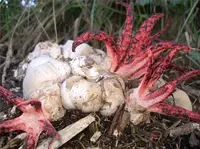
This disease is caused by a parasitic fungus that overgrows the fruiting body with a discoloring crust, leading to misshapen, hardened, or completely deformed caps. Symptoms include patchy white to yellow or reddish areas that gradually cover the surface and obscure the original gills or warts.

Solution

Promptly remove and discard infected fruiting bodies, including attached substrate, to reduce spore spread near actively fruiting mycelium. Avoid disturbing or injuring young mushrooms, keep the area free of decaying piles of old fruiting bodies, and maintain moderate air movement so surfaces dry between rains in managed or semi-cultivated settings.

bacterial soft rot

This disease develops in very wet, warm conditions and causes the cap or stipe to become water-soaked, slimy, and foul-smelling, often turning translucent or brown. Symptoms include rapid collapse of the fruiting body starting at contact points with saturated soil or plant debris.

Solution

Remove and discard affected mushrooms promptly and avoid handling healthy fruiting bodies with contaminated tools or hands. Improve drainage and reduce standing water around the fruiting zone, limit overhead irrigation in managed sites, and encourage better air circulation so surfaces dry more quickly after rain or misting.

Interesting Facts

Pyramidal cap warts

The species is characterized by dense, angular pyramidal warts on the cap surface, formed from remnants of the universal veil, giving it a rough, sharply textured appearance distinct from the more rounded warts of related species.

Southern pine associate

It has been reported mainly from the southeastern United States, where it forms ectomycorrhizal partnerships with pine species, exchanging mineral nutrients from the soil for sugars produced by the trees.

Variable cap coloration

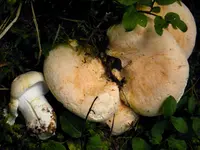
Field observations describe caps ranging from pale to more deeply colored brownish tones, with the prominent white pyramidal warts standing out in contrast, which helps mycologists distinguish it from similar amanitas in mixed oak–pine habitats.

FAQs about Plateful of Pyramids Lepidella

This species is considered highly toxic, like many Amanita fungi. Ingestion can cause severe gastrointestinal and neurological symptoms, and potentially organ damage. Treat it as unsafe for children, pets, and livestock, and avoid any consumption.

Grow Healthy Plants with Botan Care

Keep your plants happy and healthy with plant identification, disease detection, and easy care guidance.

Botan plant care app — identify plants on mobile

Explore More Plants