Poison Champagne Amanita Care (Amanita crenulata)

Poison Champagne Amanita

About Poison Champagne Amanita

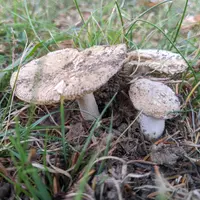
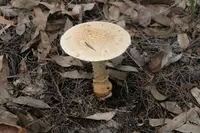
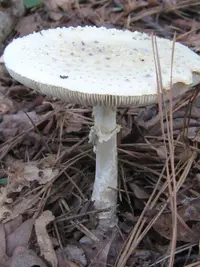
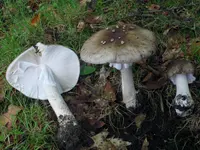
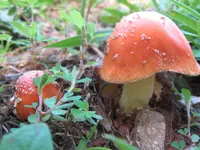
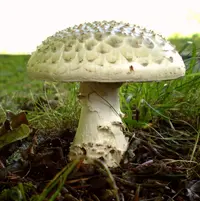
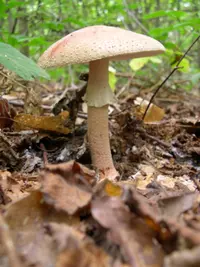
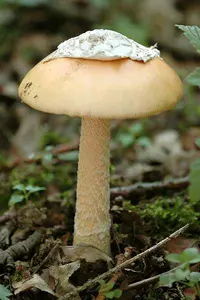
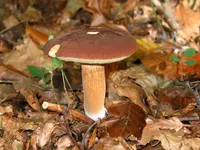
Poison Champagne Amanita, Amanita crenulata, is a small to medium-sized wild mushroom, not a houseplant or ornamental garden species. It typically has a pale champagne to tan cap, often with fine fragments or warts, and a slender stem with a ring-like structure. This fungus appears in woodland habitats, usually with hardwoods or conifers, in temperate regions of North America.

Amanita crenulata forms symbiotic relationships with tree roots, so it cannot be reliably cultivated in typical garden or indoor conditions. For this reason, attempts to care for Poison Champagne Amanita at home are generally impractical and not recommended.


Main Plant Requirements

Care Difficulty

Hard Care

Light Preference

Partial Shade

Water Requirements

Keep Soil Moist

Temperature Preference

Cool Climate

Hardiness Zone

Unknown

Soil Texture

Loamy, Silty, Organic-rich

Soil pH

Acidic (5.5–6.5), Slightly acidic (6.5–7.0)

Soil Drainage

Moist but well-drained

Fertilization

Minimal (feed rarely)

Get Personalized Care Plan

Scan your plant to receive care tips personalized for your specific plant

Available on iOS and Android

How to Care for the Poison Champagne Amanita

This ectomycorrhizal fungus thrives in dappled woodland light rather than full, open sun.

  • Provide 2–6 hours of filtered or shifting shade light under trees, avoiding long periods of direct midday sun that can overheat the soil surface.
  • Partial shade is preferred; morning sun with afternoon shade helps maintain cooler, moist soil conditions that support the host tree roots and mycelium.
  • In summer, leafed-out canopies usually give sufficient protection, but in early spring or open pine stands, limit harsh sun by choosing sites with some understory cover for Poison Champagne Amanita.

This species depends on consistently moist, not waterlogged, forest soil around its host trees.

  • Aim for soil that feels slightly moist 2–5 cm down; if the top layer is dusty dry and leaf litter is crisp, conditions are too dry for healthy Amanita crenulata fruiting.
  • In natural settings, rely on rainfall but note that extended drought with cracked soil and shrinking mushroom caps indicates underwatering stress in the habitat.
  • Avoid standing water or compacted clay; puddling, sour odors, or soft, collapsing caps suggest poor drainage and excess moisture around the fungal mycelium.

This woodland fungus favors cool to mild conditions and reacts poorly to hard freezes or intense heat.

  • Optimal fruiting often occurs around 55–70°F (13–21°C), when soil stays cool and evenly moist under tree canopy cover.
  • It tolerates brief drops near 30–32°F (-1–0°C), but repeated hard freezes below 28°F (-2°C) can damage developing fruiting bodies and shorten their lifespan.
  • Sustained heat above 80–85°F (27–29°C), especially with dry winds, can desiccate caps and halt fruiting; shaded, mulched forest floors buffer these extremes seasonally.

Humidity is not a primary cultivation factor for this soil- and tree-associated fungus, so other habitat conditions matter far more than air moisture.

This ectomycorrhizal fungus relies on natural forest soil conditions rather than conventional potting substrates.

  • Amanita crenulata associates with tree roots in loose, well-drained, sandy to loamy forest soil rich in leaf litter and woody debris.
  • The species favors slightly acidic conditions, typically around pH 5.0–6.5, often found under conifers or mixed woodland.
  • Any artificial substrate should prioritize aeration, using coarse sand, fine bark, and forest duff rather than dense, peat-heavy mixes.
  • Avoid compacted, waterlogged, or heavily fertilized garden soil, which disrupts the fine mycelial network and its root partnerships.

This species is not suitable for container growing because it depends on complex ectomycorrhizal relationships with living trees rather than isolated pot culture.

In natural settings, Amanita crenulata does not require intentional fertilization and relies on soil organic matter and its mycorrhizal partnership with tree roots.

Amanita crenulata is a wild ectomycorrhizal fungus and is not pruned in the way garden plants are managed.

As a mycorrhizal fungus, Amanita crenulata grows in symbiosis with tree roots and is not suited to conventional repotting or transplanting.

  • Avoid attempting to dig up and move fruiting bodies or surrounding soil, as this disrupts the underground mycelium network.
  • Leave the fungus undisturbed around its host trees; disturbance can reduce future fruiting and harm tree root health.
  • If removal is necessary for safety, cut off visible caps at ground level instead of excavating the base or surrounding soil.

Intentional propagation of Amanita crenulata is rarely attempted and not recommended for typical gardeners due to its toxic nature and strict dependence on host trees.

This species overwinters naturally in the soil as mycelium and does not require intentional winter care in gardens or landscapes.

Care Tips

Secure Site Choice

Install a small wire mesh barrier and clear a 1–2 ft radius around the fruiting area so pets, children, and wildlife cannot easily reach the mushrooms, since caring for Poison Champagne Amanita requires strict safety precautions due to its toxicity.

Spore Print Monitoring

Take occasional spore prints from mature caps on white and dark paper to confirm identification and track consistency of your local population before you encourage further spread on your property.

Habitat Stability

Avoid deep digging, heavy mulching, or soil compaction around known fruiting spots so the underground mycelium network remains undisturbed and can continue to fruit in future seasons.

Leaf Litter Management

Retain a thin, patchy layer of leaf litter under host trees to provide organic matter and moisture for the fungus, but remove thick, matted piles that can lead to anaerobic, waterlogged conditions.

Document Seasonal Patterns

Keep simple notes with dates, weather, and host tree condition each time mushrooms appear so you can anticipate fruiting periods and adjust mowing, raking, or access limitations at the right time.

Common Pests and Diseases

fungal gnat larvae

This pest targets moist organic substrates where the fungus forms, and larvae can tunnel through developing fruiting bodies and mycelium. Symptoms include soft, misshapen caps and stems with small feeding scars or internal galleries.

Solution

Reduce excess surface moisture around the fruiting site, and improve drainage so the substrate does not stay wet for long periods. Remove and discard badly damaged mushrooms, use fine mesh or sticky traps to intercept adult gnats, and, in controlled cultivation, consider a biological control such as Bacillus thuringiensis israelensis applied according to label directions around but not directly on fruiting bodies.

fungal parasitism (Hypomyces)

This disease is caused by parasitic fungi, such as species of Hypomyces, that colonize the mushroom surface and distort or arrest development. Symptoms include white, yellow, or orange crusty growth on the cap and gills and loss of normal spore production.

Solution

Promptly remove and discard any parasitized mushrooms, including nearby small buttons, to limit spore spread. Avoid disturbing or stepping on infected material, and in cultivated or monitored areas, rotate or rest the site from repeated fruiting to reduce buildup of parasitic fungal spores.

mycophagous slugs and snails

These pests feed directly on young and mature fruiting bodies, especially in damp sites with leaf litter. Symptoms include irregular holes, shredded cap margins, and slime trails on or near the mushrooms.

Solution

Hand-remove slugs and snails during cool, damp periods and dispose of them away from the fruiting area. Use physical barriers such as copper tape, rough mulch rings, or carefully placed low-toxicity slug baits around but not on the mushrooms, and reduce dense ground cover that shelters these animals.

bacterial blotch

This disease involves opportunistic bacteria that colonize moist mushroom surfaces, leading to water-soaked spots that turn yellow to brown. Symptoms include greasy-looking lesions and rapid softening or collapse of affected tissue in very wet conditions.

Solution

Limit overhead watering or direct wetting of fruiting bodies in managed settings and encourage good air movement to dry surfaces quickly. Remove and discard blotched mushrooms, avoid handling caps with dirty or wet tools, and keep organic debris thinned so air can circulate around the fruiting zone.

nematode infestation

These microscopic worms can invade the mycelium and developing fruiting bodies, especially in rich, disturbed soils, leading to stunted or deformed mushrooms. Symptoms include spongy texture, poor cap expansion, and internal browning or breakdown without obvious external pests.

Solution

Discard suspect mushrooms and avoid reusing the same heavily impacted substrate or soil for attempts to grow Amanita crenulata. In semi-managed habitats, maintain a diverse soil community with minimal chemical disturbance and rotate or rest problem sites so mycelium can re-establish in less infested areas.

Interesting Facts

Distinct champagne-colored cap

This species is recognized by its pale champagne to straw-colored cap with a finely crenulated, or scalloped, margin that gives the mushroom its species name crenulata. The cap surface may show subtle fibrils and often lacks the thick, warty patches seen on some other amanitas.

Dangerous neurotoxic species

Amanita crenulata contains neurotoxic compounds that can cause serious poisoning, with symptoms resembling those of other toxic amanitas. Correct identification is difficult, and mycologists strongly advise treating it as a dangerous inedible species.

Association with pine roots

This fungus forms ectomycorrhizal partnerships with the roots of coniferous trees, especially pines in North America. Through this symbiosis, it helps trees absorb water and minerals while receiving carbohydrates produced by the host tree.

Botan icon

Did you know?

Amanita crenulata has often been confused in the literature and field observations with several related toxic amanita species, which has led to historical misidentifications and taxonomic revisions as mycologists refined its diagnostic features and clarified its distribution.

FAQs about Poison Champagne Amanita

This mushroom is considered highly toxic to both humans and animals. Ingestion can cause serious gastrointestinal and neurological symptoms. Never taste wild specimens, and keep children and pets away from areas where it appears.

Grow Healthy Plants with Botan Care

Keep your plants happy and healthy with plant identification, disease detection, and easy care guidance.

Botan plant care app — identify plants on mobile

Explore More Plants