Ocher-Gilled Barefoot Lepidella Care (Amanita ochrophylla)

Ocher-Gilled Barefoot Lepidella

About Ocher-Gilled Barefoot Lepidella

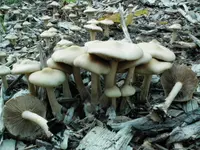
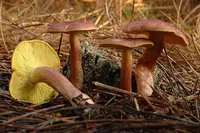
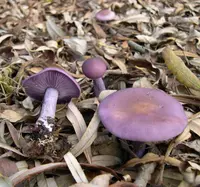
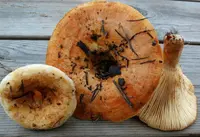
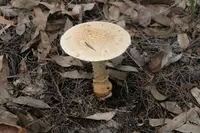
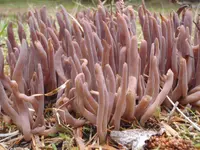
Ocher-Gilled Barefoot Lepidella (Amanita ochrophylla) is a woodland mushroom, not a true houseplant, and forms symbiotic relationships with tree roots. It typically shows a pale to ocher cap, crowded ocher gills, and a slender stem that often lacks a distinct ring, giving rise to the “barefoot” name.

This species occurs naturally in forested areas of Australia, usually appearing on the ground in leaf litter. It is not suitable for regular garden or indoor cultivation, and attempts to care for Ocher-Gilled Barefoot Lepidella at home rarely succeed because it depends on specific tree partners and soil microorganisms. It generally prefers undisturbed, moist, well-drained forest soils with moderate shade.

Main Plant Requirements

Care Difficulty

Hard Care

Light Preference

Partial Shade

Water Requirements

Keep Soil Moist

Temperature Preference

Warm Climate

Hardiness Zone

Unknown

Soil Texture

Loamy, Sandy, Organic-rich

Soil pH

Acidic (5.5–6.5)

Soil Drainage

Moist but well-drained

Fertilization

Minimal (feed rarely)

Get Personalized Care Plan

Scan your plant to receive care tips personalized for your specific plant

Available on iOS and Android

How to Care for the Ocher-Gilled Barefoot Lepidella

This ectomycorrhizal mushroom prefers dappled woodland light rather than open, direct sun.

  • Provide bright, filtered light under trees or shrubs, with roughly 2–4 hours of soft morning sun and shade or speckled light for the rest of the day.
  • Avoid strong midday or afternoon sun, which can dry the substrate quickly and damage developing Ocher-Gilled Barefoot Lepidella fruiting bodies.
  • In summer, rely on canopy shade or leaf litter cover; in cooler seasons, slightly more open light is acceptable if the substrate stays cool and moist.

This forest-associated fungus depends on consistently moist, well-drained soil rather than fixed watering schedules.

  • Aim for soil that stays evenly moist 5–10 cm deep; if this layer feels dry and crumbly, recent rainfall or careful irrigation is needed.
  • Ensure water drains freely through leaf litter and mineral soil, since persistent puddling, sour smell, or slimy mycelium indicates overwatering or poor drainage for Amanita ochrophylla.
  • During hot, windy, or drought periods, monitor more often; pale, shrinking, or cracking caps usually reflect drying substrate and insufficient moisture in the root zone.

This species is adapted to mild, temperate woodland climates with moderate seasonal shifts.

  • Best fruiting and mycelial activity occur around 55–70°F (13–21°C), with cool, moist conditions and stable soil temperatures under leaf litter.
  • The mycelium in soil typically tolerates brief drops to about 32°F (0°C), but hard freezes below this or repeated freeze–thaw cycles can reduce fruiting.
  • Sustained heat above 80–85°F (27–29°C), especially with dry air and soil, often halts fruiting and can desiccate caps, so canopy shade and moisture retention become critical in summer.

Humidity has little practical relevance for Amanita ochrophylla, which grows as a wild ectomycorrhizal fungus rather than a cultivated houseplant.

Soil requirements for Amanita ochrophylla relate to its natural forest habitat rather than typical potting mixes.

  • This ectomycorrhizal fungus associates with tree roots in moist, well-aerated, organic-rich forest soil rather than in containers.
  • It typically occurs in loose, humus-rich, slightly acidic soils with abundant leaf litter over a sandy or loamy mineral layer.
  • Avoid compacted, waterlogged, or heavily disturbed soils, which reduce oxygen and disrupt fungal association with host roots.
  • Maintaining natural mulch layers and minimal soil disturbance supports the underground network instead of attempting standard Amanita ochrophylla plant care in pots.

This species is not suitable for container growing because it depends on complex mycorrhizal relationships with tree roots in natural soil.

This ectomycorrhizal fungus relies on its tree partners and natural soil nutrients, so direct fertilizing of Amanita ochrophylla is neither necessary nor recommended.

Pruning is not applicable to Amanita ochrophylla, as it is a wild ectomycorrhizal mushroom rather than a garden shrub or houseplant.

This fungus naturally associates with tree roots in soil and is not suited to normal repotting or transplanting practices used for ornamental plants.

  • Avoid attempting to grow Amanita ochrophylla in standard pots, as it depends on living host tree roots for nutrition.
  • Transplanting mature mushrooms or mycelium usually fails because the fine root-fungus connections are easily disrupted.
  • If studied or observed, leave the fungus in place and instead manage the health of the associated trees and surrounding soil.
  • Maintain undisturbed leaf litter and minimal soil disturbance to support stable mycorrhizal networks in the area.

Propagation of this wild ectomycorrhizal fungus is complex and not practical for typical home cultivation or garden use, so active propagation is rarely attempted.

No specific winter care is needed, as this woodland fungus is adapted to natural seasonal cycles in its native range.

Care Tips

Safe site selection

Establish this fungus only in areas away from children, pets, and food crops, and label the site clearly so there is no confusion with edible mushrooms when caring for Ocher-Gilled Barefoot Lepidella.

Host tree matching

Introduce spawn only under compatible native or locally established trees (such as eucalypts it associates with in nature) rather than random ornamentals, to improve the chances of successful mycorrhizal partnership.

Minimal soil disturbance

Avoid digging, rototilling, or frequent replanting in the inoculated zone so the fine fungal mycelium is not broken, which supports more reliable fruiting over time.

Organic mulch management

Maintain a thin, even layer of leaf litter or woodchip mulch over the colonized area and refresh lightly once or twice a year instead of burying the soil under a thick, compacted mulch layer.

Targeted irrigation zones

When irrigating nearby plants, direct water gently to the root zone of host trees and let it soak in slowly so the upper soil layer remains moist but not flooded, which helps protect the fungal network from collapse and anaerobic conditions.

Common Pests and Diseases

Fungal parasitism

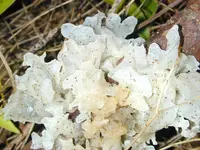
This disease involves other fungi colonizing the fruiting body, causing distortion, discoloration, or premature decay of the cap and stem. Symptoms include soft, water-soaked tissue and rapid collapse of the mushroom.

Solution

Remove and discard affected fruiting bodies promptly to limit spore spread, and avoid disturbing or transporting contaminated material. If cultivating, reduce excessive surface moisture, improve airflow at the substrate surface, and keep nearby decaying organic matter from piling directly around developing mushrooms.

Mycophagous springtails

These insects feed on fungal tissue and spores, often grazing on the gills and cap surface, which can lead to pitting, blemishes, or irregular edges. This pest is more common in very moist leaf litter or cultivated substrates.

Solution

If mushrooms are being observed or studied in a managed bed, lightly disturb the surrounding leaf litter to dry the immediate surface and reduce springtail activity. In contained or semi-cultivated settings, improve drainage, reduce constant saturation, and use fine mesh barriers to limit springtail access to developing fruiting bodies.

Fungus gnat larvae

These insects develop in damp organic substrates and can tunnel into the mushroom stem or cap, causing internal browning, soft spots, and structural weakness. This pest usually indicates persistently wet, rich organic matter around the fruiting zone.

Solution

Reduce standing moisture in the surrounding substrate and avoid overwatering or constant saturation if the area is semi-managed. In controlled or research settings, use yellow sticky traps to reduce adult populations and increase surface aeration so the top layer dries slightly between watering events.

Bacterial blotch

This disease causes greasy, yellow-brown spots or streaks on the mushroom cap surface that may enlarge and become slimy. Symptoms include localized softening and rapid surface discoloration in persistently wet conditions.

Solution

Remove affected fruiting bodies to reduce bacterial spread and avoid overhead wetting that leaves standing water on caps. In any managed setting, provide better air movement over the surface, reduce fine misting directly onto mushrooms, and space fruiting bodies by gently adjusting leaf litter so surfaces dry faster after rainfall or watering.

Interesting Facts

Distinct ochre gills

This species is recognized by its characteristically ochre to yellow-brown gills that contrast with the paler cap and help distinguish it from many white-gilled Amanita species in the field.

Barefoot stipe base

The so-called barefoot common name refers to the relatively slender, often less bulbous stipe base compared with many other Amanita species that show a pronounced swollen basal bulb with a distinct volva.

Australian forest associate

Amanita ochrophylla is native to Australia and typically forms ectomycorrhizal partnerships with local trees such as Eucalyptus and other Myrtaceae, exchanging mineral nutrients for sugars produced by the host plant.

FAQs about Ocher-Gilled Barefoot Lepidella

This mushroom is considered poisonous and should not be eaten by humans or animals. Ingestion can cause significant gastrointestinal distress and potentially more serious poisoning. Avoid handling with damaged skin, and keep children and pets from touching or consuming it.

Grow Healthy Plants with Botan Care

Keep your plants happy and healthy with plant identification, disease detection, and easy care guidance.

Botan plant care app — identify plants on mobile

Explore More Plants