Solitary Amanita Care (Amanita echinocephala)

Solitary Amanita

About Solitary Amanita

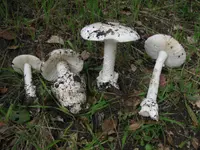
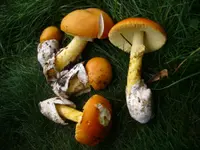
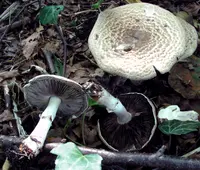
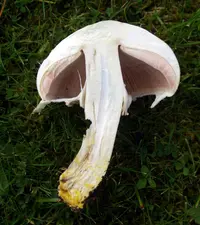
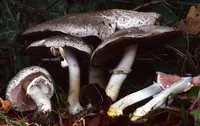
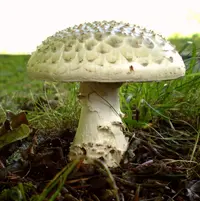
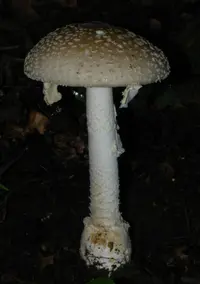
Amanita echinocephala, commonly called solitary amanita, is a large, ground-dwelling mushroom rather than a typical leafy plant. It forms a stout white to cream cap covered with coarse, spiny warts and a thick stem with a ring and swollen base.

This species is native to parts of Europe, usually appearing singly or in small groups in calcareous woodlands and park-like habitats. It forms a mycorrhizal partnership with tree roots, which means it cannot be grown like a normal potted plant.

Because of this strict dependence on host trees and natural soil fungi, it is difficult to cultivate artificially, and guides on how to care for Solitary Amanita focus mainly on identification and habitat protection rather than home growing.

Main Plant Requirements

Care Difficulty

Hard Care

Light Preference

Partial Shade

Water Requirements

Regular Water

Temperature Preference

Cool Climate

Hardiness Zone

Unknown

Soil Texture

Loamy, Sandy, Organic-rich

Soil pH

Acidic (5.5–6.5)

Soil Drainage

Moist but well-drained

Fertilization

Minimal (feed rarely)

Get Personalized Care Plan

Scan your plant to receive care tips personalized for your specific plant

Available on iOS and Android

How to Care for the Solitary Amanita

This woodland fungus prefers bright but indirect light that mimics dappled forest conditions.

  • Provide 2–5 hours of gentle morning sun with light shade or filtered light through trees for the rest of the day.
  • Avoid strong midday and afternoon sun, which can overheat the soil surface and dry the upper layer too quickly for Solitary Amanita.
  • In summer, ensure partial shade under shrubs or trees; in late autumn, increased light after leaf fall is acceptable as air temperatures drop.

This mycorrhizal fungus depends on consistently moist, well-drained soil rather than direct watering of the fruiting body.

  • Allow the top 2–4 cm of forest soil or mulch to dry slightly between rain or irrigation, then moisten evenly without creating puddles.
  • In cool seasons, reduce supplemental watering to prevent prolonged saturation, which encourages rot and can disrupt Amanita echinocephala mycelium.
  • Watch for signs such as cracking dry soil and shrinking caps indicating drought stress, or sour smell and standing water indicating overwatering issues in the habitat.

This species favors cool to mild conditions typical of temperate woodlands.

  • Optimal fruiting usually occurs around 50–68°F (10–20°C), where soil stays cool and moisture loss is slower.
  • Tolerates brief drops near 32°F (0°C), but hard or repeated frost can damage developing fruiting bodies and slow underground growth.
  • Sustained heat above 77–82°F (25–28°C) combined with dry conditions reduces fruiting; partial shade and mulch help buffer soil temperature swings across seasons.

Humidity is not a key controllable factor for Amanita echinocephala, which grows in natural outdoor woodland conditions rather than managed indoor environments.

Amanita echinocephala relies on specific woodland soil conditions and a mycorrhizal partnership with trees, so soil preparation aims to mimic its natural calcareous habitat.

  • Use a loose, well-drained, sandy to loamy mineral soil with 10–30% leaf litter or well-decomposed forest humus mixed through the top layer.
  • Maintain slightly alkaline conditions, typically pH 7.5–8.5, by incorporating crushed limestone or garden lime into naturally acidic substrates.
  • Avoid compacted clay, waterlogged areas, or heavily fertilized beds, as these disrupt the fungal–root relationship and can suppress fruiting bodies.
  • Improve aeration and drainage by adding coarse sand or fine grit rather than peat-heavy mixes, which hold excess moisture and reduce oxygen in the root zone.

This woodland ectomycorrhizal fungus is not suitable for container growing, as its life cycle depends on direct association with tree roots in open soil.

This wild ectomycorrhizal fungus naturally thrives without added fertilizer, so direct feeding is neither needed nor recommended.

Amanita echinocephala is not a garden plant and is never pruned for care or shaping.

This species is a wild mycorrhizal mushroom that forms symbiotic relationships with tree roots and is not suited to routine repotting or transplanting.

  • Avoid digging up or moving fruiting bodies, as disturbing the soil can damage the underground mycelium network.
  • Transplanting host trees will not reliably move the fungus, since most mycelium remains in the original soil.
  • If research requires relocation, experienced mycologists use intact soil cores, minimizing disturbance and rapid drying.
  • In gardens or landscapes, the best approach is to leave existing colonies undisturbed and maintain healthy host trees.

This fungus is not propagated in the home or garden; attempts to culture or spread it are technically difficult and unreliable.

This wild ectomycorrhizal species is naturally cold hardy in its native range and does not require intentional winter care.

Care Tips

Spore‑safe observation

If you want to observe this fungus closely, photograph it in situ and avoid disturbing the cap or gills so the mushroom can complete spore release and support the local woodland ecosystem.

Minimal disturbance zone

Mark a small perimeter around fruiting bodies and avoid raking, digging, or compacting the soil there so the underground mycelium remains intact for future flushes.

Host tree protection

Identify likely host trees such as oaks or beeches and protect their root zones from trenching, heavy equipment, or repeated foot traffic, since the fungus depends on those roots for nutrients.

Leave old specimens

Allow older or damaged mushrooms to decay naturally on site rather than removing them, as they still contribute spores and organic matter that can help sustain or grow Amanita echinocephala populations over time.

No transplant attempts

Do not try to transplant fruiting bodies or scrape up mycelium; instead, keep the existing habitat stable and undisturbed, which is the most reliable long‑term approach to caring for Solitary Amanita in managed landscapes.

Common Pests and Diseases

Mycophagous springtails

These insects feed on fungal tissue and can graze gills and cap surfaces, especially in very damp conditions. This pest is common in natural fungal colonies and can distort young fruiting bodies.

Solution

Limit overly wet conditions around the mushrooms, remove heavily infested fruiting bodies, and improve surface drainage or ventilation in cultivation trays. If needed, use yellow sticky traps near the substrate and reduce organic debris that shelters springtails rather than applying broad-spectrum chemicals.

Fungus gnat larvae

These insects live in moist substrates and can tunnel into developing fruiting bodies, weakening stems and caps. Damage often appears as soft, collapsing stipes and small entry holes.

Solution

Allow the upper layer of the substrate to dry slightly between misting, and use fine-mesh covers over vents or openings to exclude adult gnats. Sticky traps help reduce adult populations, while removing and discarding badly damaged mushrooms prevents larvae from completing their life cycle.

Parasitic Hypomyces infection

This disease is caused by parasitic fungi such as Hypomyces species that overgrow the surface of mushrooms with a white to yellow coating. Symptoms include distorted caps, loss of spore production, and eventual decay.

Solution

Promptly remove and discard affected fruiting bodies and any visibly contaminated substrate to limit spread. Improve air circulation, avoid overcrowding, and reduce prolonged surface wetness, as drier, better-ventilated conditions are less favorable to Hypomyces development.

Slugs and snails

These pests feed on soft fungal tissue, leaving irregular holes and slime trails on caps and stems. Symptoms include missing sections of the cap margin and rapid loss of aesthetic quality in fruiting bodies.

Solution

Hand-pick slugs and snails during damp periods, especially at night, and use physical barriers such as copper tape or rough mineral mulches around outdoor patches. In cultivation, reduce hiding spots by clearing debris and consider using covered or elevated setups to keep mollusks away from mushrooms.

Interesting Facts

Spiny cap warts

The cap surface is covered in coarse, conical warts that are often sharply pointed and brittle, giving it a distinctly spiny texture unlike the softer, flat patches on many other amanitas.

Alkaline soil specialist

This species strongly favors calcareous, lime-rich, often alkaline soils and is most frequently found in woodlands where the underlying geology is chalk or limestone.

Oak and beech partner

It forms ectomycorrhizal associations with broadleaf trees, especially oak and beech, trading mineral nutrients and water from the soil for sugars produced by the host tree.

Botan icon

Did you know?

This mushroom is considered regionally rare or vulnerable in several European countries, and in some areas it is included on local Red Lists due to habitat loss and changes in woodland management affecting its specialized calcareous habitats.

FAQs about Solitary Amanita

Yes. This species is considered poisonous and should never be eaten. It can cause serious gastrointestinal and potentially neurological symptoms. Avoid handling with damaged skin, keep children and pets away, and do not taste unknown mushrooms.

Grow Healthy Plants with Botan Care

Keep your plants happy and healthy with plant identification, disease detection, and easy care guidance.

Botan plant care app — identify plants on mobile

Explore More Plants