Rose-Tinted Amanita Care (Amanita roseotincta)

Rose-Tinted Amanita

About Rose-Tinted Amanita

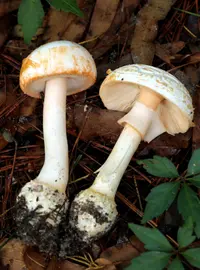
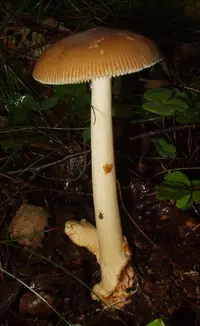
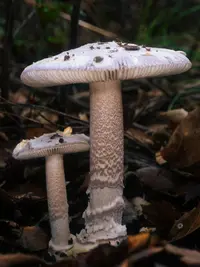
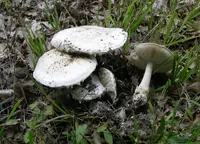
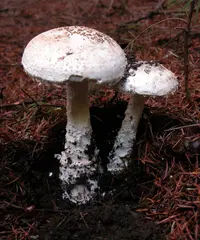
Amanita roseotincta, often called the rose-tinted amanita, is a small to medium-sized mushroom rather than a traditional foliage plant. It typically shows a pale cap with soft pink to rose shades, white gills, and a slender stem with fine surface texture. This species is usually found in forests of eastern North America, where it forms mycorrhizal partnerships with trees, meaning its roots and tree roots exchange nutrients.

The fungus prefers moist, well-drained woodland soils with abundant organic matter and moderate shade. It is not suited to standard indoor pot culture, so to care for Rose-Tinted Amanita in a garden context usually means preserving or mimicking natural woodland conditions.


Main Plant Requirements

Care Difficulty

Hard Care

Light Preference

Partial Shade

Water Requirements

Moderate Water

Temperature Preference

Cool Climate

Hardiness Zone

Unknown

Soil Texture

Loamy, Organic-rich

Soil pH

Acidic (5.5–6.5)

Soil Drainage

Moist but well-drained

Fertilization

Minimal (feed rarely)

Get Personalized Care Plan

Scan your plant to receive care tips personalized for your specific plant

Available on iOS and Android

How to Care for the Rose-Tinted Amanita

This ectomycorrhizal fungus prefers cool, dappled woodland light rather than open, intense sun.

  • Provide 2–4 hours of soft morning sun with bright, filtered light for the rest of the day under deciduous trees or light shrub cover.
  • Allow partial to full shade at midday; direct afternoon sun, especially in summer, can dry the forest floor too quickly and damage emerging fruiting bodies of Rose-Tinted Amanita.
  • In summer, rely on canopy shade and leaf litter to buffer harsh light; in late autumn, when trees are bare, monitor for drying due to increased light exposure.

This woodland fungus depends on consistently moist, well-drained forest soil rather than direct watering.

  • Aim for soil that feels evenly moist 2–5 cm below the surface, never waterlogged; excess standing water suffocates the fungal mycelium and encourages rot.
  • Use the moisture of surrounding leaf litter as a guide: it should feel cool and pliable, not soggy or crisp-dry; cracked, dusty soil suggests the underground network is at risk of drying.
  • During hot, dry spells, indirect irrigation that moistens the broader root zone of nearby host trees supports Amanita roseotincta without saturating a single, confined spot.

This species favors cool to mild woodland temperatures with protection from frost and extreme heat.

  • Optimal activity occurs around 55–70°F (13–21°C), conditions typical of shaded forest floors in spring and autumn with stable moisture and limited temperature swings.
  • The mycelium in soil may tolerate brief drops to about 32°F (0°C), but hard, prolonged frost and frozen ground reduce fruiting and can damage exposed structures.
  • Sustained heat above 80–85°F (27–29°C), especially with dry air and hot soil surfaces, suppresses fruiting; deep mulch and canopy shade help buffer seasonal temperature extremes.

This species is not recommended as a cultivated container or garden organism, so humidity management is not a meaningful care factor for it.

This ectomycorrhizal fungus does not adapt to conventional soil-based cultivation, so standard soil preparation is not applicable.

  • Amanita roseotincta relies on a living host tree’s root system rather than a potting substrate for nutrition and moisture.
  • Attempts to grow it in loamy, sandy, or organic-rich mixes without compatible tree roots almost always fail.
  • Artificially adjusting pH, aeration, or drainage does not substitute for the required tree-fungus root association.
  • Avoid investing in custom soil mixes, as the limiting factor is the specific mycorrhizal partnership, not the soil texture.

This species is not suitable for container growing because it depends on a mycorrhizal association with host trees in natural soil.

This mycorrhizal fungus naturally obtains nutrients through its tree partners, so direct fertilizing of Amanita roseotincta is not recommended or necessary.

Pruning is not applicable to Amanita roseotincta, as it is a wild mycorrhizal mushroom rather than a plant forming prunable stems or branches.

Transplanting this ectomycorrhizal fungus is generally unsuccessful, as it depends on complex associations with specific tree roots in undisturbed soil.

  • Avoid attempting to move established colonies; disturbance often disrupts the mycelium and reduces future fruiting.
  • If studying the species, focus on conserving existing habitat rather than relocating fruiting bodies or substrate.
  • For any container-based research, use fresh, sterile substrate and compatible tree seedlings instead of trying to transplant wild mycelium.

Intentional propagation of Amanita roseotincta is rarely attempted outside specialist research, because it needs specific tree hosts and soil fungi communities.

No active winter care is appropriate, as this wild ectomycorrhizal mushroom is adapted to local seasonal conditions in its native habitat.

Care Tips

Spore-friendly substrate

When introducing spawn to a prepared outdoor bed, gently crumble it into a thin layer of compatible leaf litter and well-decayed hardwood chips rather than burying it deeply, so the mycelium can colonize the upper soil horizons where its tree partner roots are active.

Host tree pairing

Establish this ectomycorrhizal fungus near suitable broadleaf host trees (such as oaks or beeches) of at least 5–8 years of age, spacing inoculation sites 30–60 cm from the trunk where fine feeder roots are most abundant.

Minimal disturbance zone

After colonization begins, avoid raking, digging, or compacting soil in a 50–80 cm radius around the inoculated area, since repeated disturbance can break mycelial strands and sharply reduce future fruiting.

Targeted moisture pulses

In dry periods, provide deep, infrequent watering that moistens the upper 10–15 cm of soil around the host tree drip line rather than daily light sprinkling, which encourages shallow roots and can stress the mycelial network.

Fruiting hygiene practice

When harvesting, cut fruiting bodies cleanly at the base with a disinfected knife and leave a portion of the stem in place, then remove and discard decaying caps from the area to limit opportunistic molds that may compete with the mycelium when growing Rose-Tinted Amanita.

Common Pests and Diseases

mycophagous springtails

These insects feed on fungal tissues and gill surfaces, especially on moist, aging caps and developing fruiting bodies. This pest is often seen as tiny jumping dots on or around the mushroom when conditions are very damp.

Solution

Reduce surface moisture around fruiting bodies by improving drainage and avoiding standing water, and gently remove heavily infested mushrooms and dispose of them away from the site. Where collection or observation quality matters, harvest caps a bit earlier and use fine mesh or breathable covers to limit insect access without trapping excess humidity.

fungus gnats

These insects lay eggs in moist fungal substrates, and the larvae tunnel through young fruiting bodies and surrounding organic matter. Symptoms include small larval tunnels, soft spots, and accelerated decay of caps and stems.

Solution

Allow the upper layer of the substrate or surrounding leaf litter to dry slightly between heavy wet periods and avoid overwatering nearby ornamental plantings. Sticky traps and fine mesh barriers help reduce adult numbers; remove and discard badly damaged mushrooms to break the life cycle and to maintain clean conditions around the colony.

slugs and snails

These pests feed directly on caps and stems, leaving irregular holes, shredded tissue, and slime trails on and around the mushrooms. Damage is often worse during cool, wet periods and overnight when these mollusks are most active.

Solution

Hand-pick slugs and snails during damp evenings, and use physical barriers such as copper tape, coarse grit, or sharp gravel rings to make access more difficult. Limit dense groundcover and heavy mulch directly around fruiting zones, and if necessary use iron phosphate-based slug baits placed away from desirable wildlife and pets.

parasitic Hypomyces

This disease is caused by a mycoparasitic fungus that overgrows the mushroom surface with a whitish to pink crust, distorting the cap and gills and eventually preventing normal spore release. Symptoms include loss of typical coloration and a felted or powdery coating that replaces the natural surface texture.

Solution

Promptly remove and discard any parasitized mushrooms, including nearby affected fragments, to limit local spore spread. Avoid disturbing and moving contaminated organic debris to new sites, and favor good airflow and moderate moisture in managed areas so that fruiting bodies dry more quickly after rain.

bacterial soft rot

This disease develops when free water remains on tissues for long periods, leading to watery, foul-smelling decay starting at contact points with soil or litter. Symptoms include rapid collapse of caps and stems, slimy surfaces, and discoloration where bacteria break down the flesh.

Solution

Minimize prolonged waterlogging and standing puddles around fruiting areas, and avoid overhead irrigation where mushrooms are being intentionally observed or fruited. Remove and discard rotting mushrooms promptly and handle nearby intact specimens gently to avoid bruising, which creates easy entry points for bacteria.

Interesting Facts

Rose-tinted cap variation

The cap usually shows a pale rosy or pinkish tint that can fade with age or weathering, which is one of the key macroscopic traits used by field mycologists to separate it from similar pale amanitas.

Association with oaks

This species forms ectomycorrhizal partnerships with broadleaf trees, especially oaks, exchanging mineral nutrients and water for sugars from the tree roots in temperate forests.

Distinctive veil structure

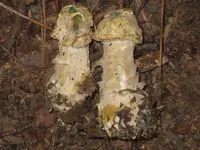
It typically has a thin, skirt-like ring and a volva at the base of the stem, remnants of the universal and partial veils that once enclosed the immature mushroom, features important for safe identification within the amanita group.

FAQs about Rose-Tinted Amanita

This mushroom is considered poisonous and should never be eaten. It contains bioactive compounds that can affect the nervous system and liver. Keep children and pets from handling or ingesting it, and seek medical help after suspected ingestion.

Grow Healthy Plants with Botan Care

Keep your plants happy and healthy with plant identification, disease detection, and easy care guidance.

Botan plant care app — identify plants on mobile

Explore More Plants