


Use clean substrate
Prepare hardwood logs or sterilized sawdust blocks from non-aromatic species like beech, oak, or maple to reduce contamination and support consistent fruiting when growing Jelly Ear.

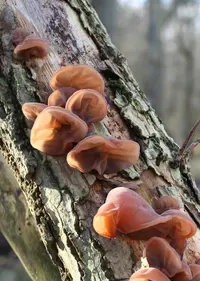
Jelly ear, Auricularia auricula-judae, is a wood-decay fungus, not a leafy plant. It forms soft, ear-shaped fruiting bodies with a rubbery, gelatinous texture. Colors range from tan to deep brown.
It grows naturally on dead or dying hardwood, especially elder, in cool, damp forests across Europe, Asia, and parts of North America. In suitable, moist conditions it often appears in clusters and can rehydrate after drying out.
Many people care for Jelly Ear outdoors on logs or stumps because it tolerates shade and fluctuating moisture, as long as wood stays damp and not waterlogged.

Care Difficulty
Moderate Care

Light Preference
Shade

Water Requirements
Keep Soil Moist

Temperature Preference
Cool Climate

Hardiness Zone
4–10

Soil Texture
Loamy, Silty, Organic-rich

Soil pH
Acidic (5.5–6.5), Slightly acidic (6.5–7.0)

Soil Drainage
Moist but well-drained

Fertilization
Minimal (feed rarely)
Scan your plant to receive care tips personalized for your specific plant
Available on iOS and Android
This wood-loving fungus prefers low to moderate light that mimics shaded woodland edges.
Moist, never waterlogged conditions are essential for stable Auricularia auricula-judae fruiting.
This fungus fruits best in cool to mildly warm conditions that resemble a damp woodland climate.
This wood-decaying fungus prefers consistently moist, humid conditions to fruit well.
Auricularia auricula-judae relies on a moist, nutrient-rich lignin-based substrate rather than typical garden soil.
This species can be grown in containers when they function as ventilated, moisture-retentive substrate holders rather than traditional pots.
Auricularia auricula-judae grown on fresh hardwood usually needs no additional fertilizer because it feeds on the wood itself.
Auricularia auricula-judae needs minimal pruning, mainly to maintain hygiene and manage fruiting wood.
This fungus is usually established on outdoor logs rather than kept as a potted specimen, so focus on correct log preparation instead of repotting.
Propagation of this wood-decay fungus is done through specialized spawn rather than by standard plant methods like cuttings or seed.
Jelly Ear is naturally cold hardy across much of the temperate zone and usually needs no special winter care once established outdoors.

Plant Health Check
Not sure what's wrong with your plant? Check your plant's health inside the app.
The fruiting body has a thin, elastic, ear-shaped structure with folded lobes and a gelatinous texture, an adaptation that helps it resist desiccation by shrinking when dry and swelling again when moistened.
In nature this species most often fruits on dead or dying elder (Sambucus) wood in Europe, showing a marked host preference even though it can colonize other broadleaf trees.
In temperate regions it commonly fruits in cool, damp conditions from autumn through early spring, and individual fruit bodies can persist for weeks, reviving after dry or freezing weather when moisture returns.

Dried fruit bodies of this species can rehydrate almost completely after long dry periods, regaining their original shape and springy, gelatinous consistency within minutes of soaking in water, a trait that supports its use as a shelf-stable food in many East Asian cuisines.
Yes, this fungus is edible when correctly identified and harvested from unpolluted sites. It is widely used in Asian cuisine, mainly for texture rather than strong flavor. Always cook before eating and avoid old, tough fruiting bodies.
Keep your plants happy and healthy with plant identification, disease detection, and easy care guidance.

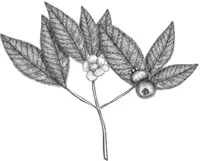
Campomanesia guazumifolia
Campomanesia guazumifolia
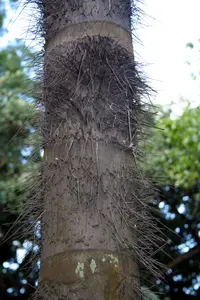
black palm
Astrocaryum standleyanum
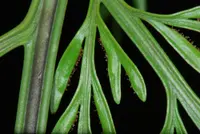
mother fern
Asplenium bulbiferum
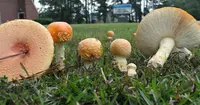
Peach-Colored Fly Agaric
Amanita persicina
 POPULAR
Cape jasmine
Gardenia jasminoides
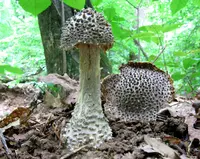
Gunpowder Amanita
Amanita onusta
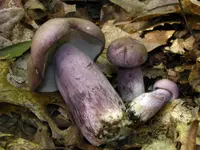
Violet Gray Bolete
Tylopilus plumbeoviolaceus
Protected Ringless Amanita
Amanita protecta