


Spaced Cluster Layout
Plant caps in loose clusters with 10–15 cm between inoculated points to reduce competition and encourage more even fruiting across the bed when growing Protected Ringless Amanita.

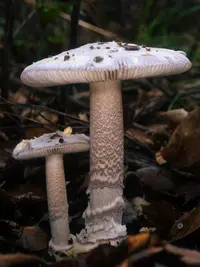
Protected Ringless Amanita (Amanita protecta) is a terrestrial mushroom-forming fungus, not a typical leafy houseplant. It produces smooth, pale to tan caps without the prominent ring often seen on other Amanita species, and usually emerges singly or in small groups from soil rich in organic matter. This species is reported from limited regions and is often associated with specific trees, forming mycorrhizal partnerships where the fungus and roots exchange nutrients. Because of its specialized habitat needs and legal protections in some areas, it is not a practical species for cultivation at home, and detailed guidance on how to care for Protected Ringless Amanita is largely unavailable.

Care Difficulty
Moderate Care

Light Preference
Partial Shade

Water Requirements
Moderate Water

Temperature Preference
Warm Climate

Hardiness Zone
Unknown

Soil Texture
Loamy

Soil pH
Slightly acidic (6.5–7.0)

Soil Drainage
Well-drained

Fertilization
Minimal (feed rarely)
Scan your plant to receive care tips personalized for your specific plant
Available on iOS and Android
This ground-dwelling fungus prefers soft, woodland-style light rather than open, direct sun.
Moist, aerated soil is essential for stable mycelium and reliable fruiting.
This species favors mild woodland temperatures and does poorly in weather extremes.
This species needs consistently moist air, with humidity management critical for stable growth of Protected Ringless Amanita.
This fungus requires a consistently moist, airy substrate rather than conventional potting soil.
This species is generally unsuitable for traditional container growing, as Amanita protecta depends on complex soil and root associations that are difficult to maintain in pots.
This species is adapted to low-nutrient, natural substrates and generally should not receive direct fertilization.
Pruning focus for Amanita protecta centers on maintaining a safe, natural habitat rather than shaping the organism itself.
This fungus is not suited to standard repotting and is best left undisturbed in its established outdoor site.
Propagation of Amanita protecta is specialized and generally left to habitat conservation efforts rather than home cultivation.
This species is typically cold hardy within its native range and needs minimal direct winter care in gardens or natural settings.

Plant Health Check
Not sure what's wrong with your plant? Check your plant's health inside the app.
Amanita protecta is a little-documented species, and reliable peer‑reviewed information about its morphology, distribution, and ecology is very limited in the mainstream mycological literature.
Despite the name suggesting some form of protection, there is no widely cited, authoritative conservation assessment or formal protected status for this species in major global databases such as the IUCN Red List.
Yes. This species is considered toxic and should never be eaten by people or animals. Ingestion can cause serious gastrointestinal and neurological symptoms. Keep children and pets away and avoid handling damaged or decaying fruiting bodies.
Keep your plants happy and healthy with plant identification, disease detection, and easy care guidance.

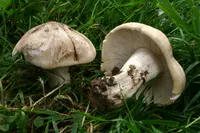
St. George's Mushroom
Calocybe gambosa
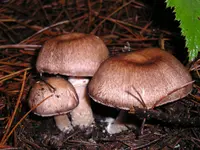
Wine-colored Agaricus
Agaricus subrutilescens
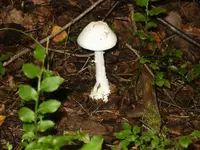
European destroying angel
Amanita virosa
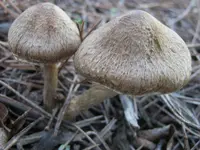
fruity fibrecap
Inosperma bongardii
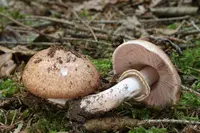
Blushing Wood Mushroom
Agaricus silvaticus
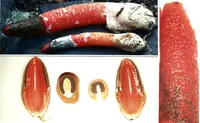
devil's dipstick
Mutinus elegans
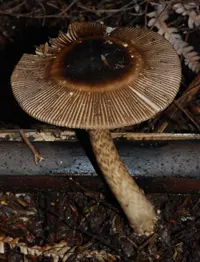
Amanita pekeoides
Amanita pekeoides
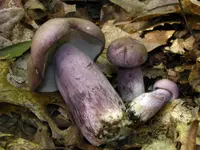
Violet Gray Bolete
Tylopilus plumbeoviolaceus