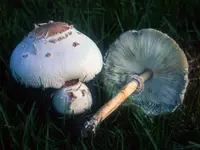
Western Grisette Care (Amanita pachycolea)

Also known as: Stuntz's Great Ringless Amanita
Western Grisette

About Western Grisette

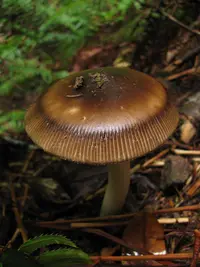
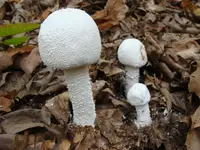
The western grisette, Amanita pachycolea, is a large mushroom-forming fungus rather than a traditional garden plant. It produces tall, slender stems with broad, gray-brown caps and a fragile, sack-like base. Caps often appear in small groups on the forest floor.

This species is native to the Pacific Northwest of North America, where it associates with conifers and mixed woodlands. As a mycorrhizal fungus, it forms a symbiotic relationship with tree roots, which makes it difficult or impossible to cultivate like a normal houseplant.

Those who wish to care for Western Grisette in managed landscapes must focus on maintaining suitable host trees, undisturbed soil, and consistently moist, organic-rich forest-like conditions.


Main Plant Requirements

Care Difficulty

Hard Care

Light Preference

Partial Shade

Water Requirements

Keep Soil Moist

Temperature Preference

Cool Climate

Hardiness Zone

7–9

Soil Texture

Loamy, Silty, Organic-rich

Soil pH

Acidic (5.5–6.5)

Soil Drainage

Moist but well-drained

Fertilization

Minimal (feed rarely)

Get Personalized Care Plan

Scan your plant to receive care tips personalized for your specific plant

Available on iOS and Android

How to Care for the Western Grisette

This ectomycorrhizal mushroom prefers forest light conditions rather than open sun exposure.

  • Provide bright dappled shade under conifers or mixed woodland, with brief morning sun (1–2 hours) and no harsh afternoon sun.
  • Aim for 2–4 hours of filtered light daily; Western Grisette typically fruits at tree drip lines where leaf litter softens light and maintains moisture.
  • Avoid full, exposed sun, which dries the soil and mycelium; in summer, use leaf litter, woody debris, or understory plants to buffer excessive light.

This fungus relies on consistently moist, not waterlogged, forest soil to support its mycelium.

  • Check soil under the host tree; it should feel evenly moist 2–5 cm deep, never soggy or dusty dry, before considering supplemental water.
  • In dry periods, irrigate the tree’s root zone deeply when the top 3–5 cm are just starting to dry, then allow slow drainage through loose, organic soil.
  • Reduce added water in cool, wet seasons to avoid standing water; persistent puddles, sour smell, or slimy white growth indicate overwatering stress.

This species is adapted to cool, mild climates typical of Pacific coastal forests.

  • Optimal fruiting and mycelial activity occur around 50–65°F (10–18°C), with moist soil and stable shade under host trees.
  • Tolerates cool conditions down to about 32°F (0°C); hard, prolonged freezes below 25°F (−4°C) can damage surface mycelium and reduce fruiting.
  • Handles short warm spells up to ~80°F (27°C) if soil stays cool and moist; extended heat or hot, dry winds sharply reduce mushroom formation.

Humidity is not a meaningful care factor, as this mycorrhizal fungus should not be managed like a potted plant.

This ectomycorrhizal fungus relies on living tree roots rather than conventional potting soil management.

  • Grows naturally in loose, well-drained, organic-rich forest soil composed of decomposing needles, leaves, and fine woody debris.
  • Prefers slightly acidic conditions, typically pH 5.0–6.5, common under conifers and mixed woodland in its native range.
  • Avoid compacted, heavily tilled, or fertilized garden beds that disrupt fungal hyphae and associated tree roots.
  • To encourage Amanita pachycolea, maintain an undisturbed mulch layer of leaf litter and small wood chips instead of altering the native soil profile.

This species is not suitable for container growing, as it depends on complex mycorrhizal associations with mature tree roots.

Amanita pachycolea is a wild mycorrhizal fungus and should not be fertilized directly in typical home or garden culture.

Amanita pachycolea does not require pruning, since the visible mushroom is a temporary fruiting body rather than a plant stem or shrub canopy.

This species is not suited to conventional repotting or transplanting because it lives as a symbiotic mycorrhizal partner on tree roots in soil.

  • Transplant only as part of intact forest or woodland soil, keeping the root zone and surrounding soil undisturbed.
  • Avoid lifting or moving individual fruiting bodies, which do not reestablish once detached.
  • If trees with associated soil must be moved, do so in cool, moist conditions to limit stress on roots and fungal network.
  • Maintain similar light, soil type, and moisture at the new site to support any surviving mycorrhizal association.

Propagation of Amanita pachycolea is specialized and not recommended as a routine horticultural activity.

In natural habitats this species overwinters as an underground mycelial network and needs no intentional winter care from gardeners.

Care Tips

Host tree selection

Establish the fungus near compatible native host trees such as Douglas-fir, spruce, or true firs, as this species forms ectomycorrhizae (a nutrient-exchanging root–fungus partnership) and will not fruit reliably without the right tree partners.

Minimal soil disturbance

Mark the approximate mycelium zone around host trees and avoid digging, rototilling, or frequent raking there so the underground mycelial network stays intact and can build enough reserves to produce mushrooms.

Leaf litter management

Maintain a loose layer of native leaf litter or conifer needles 2–5 cm deep over the colonized area, topping up gently once or twice a year to protect mycelium from desiccation while still allowing mushrooms to emerge.

Careful foot traffic

Redirect paths and play areas away from colonized zones to prevent compaction, since repeated foot traffic compresses soil pores, reduces oxygen, and can sharply limit the formation of fruiting bodies when growing Western Grisette.

Targeted moisture buffering

In dry periods, use a coarse wood-chip mulch ring a short distance away from the trunk and over the mycelium zone to help buffer soil moisture, but keep mulch airy and not piled against the tree bark to avoid trunk rot.

Common Pests and Diseases

fungal maggots

This pest consists of fly larvae feeding within developing mushroom buttons and gills, creating tunnels and soft, discolored tissue.

Solution

Collect and discard infested fruiting bodies promptly to break the life cycle, avoid leaving decaying mushrooms on site, and maintain good forest floor hygiene around known patches to reduce breeding sites; when studying or growing Western Grisette in controlled conditions, use fine mesh covers over developing caps to exclude adult flies.

slug and snail damage

These pests rasp soft mushroom tissue, leaving irregular holes, shredded margins, and slime trails on caps and stems.

Solution

Hand-pick slugs and snails at dusk or after rain, remove dense ground litter that shelters them, and, in managed or study plots, use copper barriers or shallow beer traps placed away from the fruiting bodies to reduce feeding without contaminating the mushrooms.

bacterial blotch

This disease causes water-soaked, greasy yellow-brown spots or streaks on caps and stems, often starting where surface moisture persists.

Solution

Avoid overhead watering in any managed setting, handle fruiting bodies with clean tools, and remove heavily affected mushrooms to limit spread; improve air movement around cultivation or study areas so surfaces dry quickly after rain or irrigation.

basidiomycete parasitic molds

This disease results from secondary fungi colonizing the mushroom surface or flesh, producing fuzzy, powdery, or patchy growth that distorts or collapses the fruiting body.

Solution

Remove and discard parasitized mushrooms as soon as they are noticed, avoid wounding nearby fruiting bodies, and in semi-managed habitats reduce overcrowding of organic debris so caps dry more rapidly after wet periods, which helps limit sporulation of the parasitic mold.

Interesting Facts

Distinctively thick veil

This species has an unusually thick, felt-like universal veil that often hangs in shaggy patches from the cap margin and can leave dense, woolly remnants on the stem base, helping distinguish it from other large brown amanitas in western North America.

Pacific Northwest specialist

It is strongly associated with coniferous forests of the Pacific Northwest, particularly with Douglas-fir and other conifers, where it forms ectomycorrhizal partnerships that enhance tree nutrient and water uptake in exchange for sugars.

Winter-fruiting habit

Unlike many amanitas that peak in late summer and fall, this species often fruits from late fall into winter in mild coastal climates, making it one of the more conspicuous large mushrooms during the colder, wetter part of the year.

Botan icon

Did you know?

Some field mycologists consider this species one of the largest brown amanitas in western North America, with mature fruiting bodies that can dominate the forest floor visually when they appear in numbers after sustained autumn and winter rains.

FAQs about Western Grisette

This species is not recommended for consumption. Identification within the Amanita group is difficult, and several close relatives are deadly. For safety, treat it as inedible and focus on observation rather than harvest.

Grow Healthy Plants with Botan Care

Keep your plants happy and healthy with plant identification, disease detection, and easy care guidance.

Botan plant care app — identify plants on mobile

Explore More Plants