Common Funnel Care (Infundibulicybe gibba)

Also known as: funnel clitocybe
Common Funnel

About Common Funnel

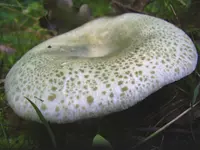
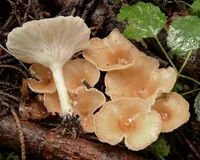
Common funnel, Infundibulicybe gibba, is a small to medium, funnel-shaped mushroom rather than a leafy plant. It usually forms pale beige to light tan caps with decurrent gills that run slightly down the stem, creating a clear funnel profile as it matures.

This fungus typically appears in mixed or deciduous woodlands, often in leaf litter or mossy areas, sometimes in loose groups or partial arcs. It is generally considered a more advanced species for cultivation, as it relies on complex interactions with forest soils and organic debris.

Understanding how to care for Common Funnel mainly means respecting its natural woodland conditions, with cool, moist air, stable shade, and humus-rich, well-drained substrates.

Main Plant Requirements

Care Difficulty

Moderate Care

Light Preference

Partial Shade

Water Requirements

Regular Water

Temperature Preference

Cool Climate

Hardiness Zone

Unknown

Soil Texture

Loamy, Peaty, Organic-rich

Soil pH

Acidic (5.5–6.5), Slightly acidic (6.5–7.0)

Soil Drainage

Moist but well-drained

Fertilization

Minimal (feed rarely)

Get Personalized Care Plan

Scan your plant to receive care tips personalized for your specific plant

Available on iOS and Android

How to Care for the Common Funnel

This woodland fungus prefers low to moderate light that mimics a shaded forest floor.

  • Provide dappled or filtered light under trees, with no more than 1–3 hours of weak morning sun and full shade the rest of the day.
  • Avoid direct midday or afternoon sun, which can dry the substrate rapidly and stop fruiting of Common Funnel clusters.
  • In late summer and autumn, choose sites with partial canopy cover so enough indirect light reaches the ground without exposing caps to scorching light.

This fungus relies on consistently moist, but not waterlogged, leaf litter or soil to fruit well.

  • Maintain evenly moist conditions in the top 2–5 cm of leaf litter or soil; let the surface just start to lose sheen before adding water if cultivating.
  • Ensure excellent drainage so excess water can run off; stagnant water or puddling encourages rot and reduces Infundibulicybe gibba fruiting.
  • During hot, dry spells increase monitoring; signs of underwatering include brittle, dry litter, while overwatering shows as soggy, compacted substrate with a sour smell.

This species favors mild, temperate conditions similar to a cool, shaded woodland floor.

  • Optimal fruiting usually occurs around 55–68°F (13–20°C), especially in late summer to autumn when soil stays cool and moist.
  • It tolerates down to about 40°F (4°C) without damage, but hard frost below 32°F (0°C) can halt or destroy fruiting bodies.
  • Sustained heat above 77–82°F (25–28°C), especially with dry air, reduces activity, so shaded, moist sites are important during warmer months.

Humidity is not a significant factor for Infundibulicybe gibba, which naturally fruits in outdoor woodland air conditions.

Infundibulicybe gibba fruits best in moist, humus-rich woodland soil with loose, well-structured texture.

  • Aim for a crumbly, loamy substrate rich in leaf litter or forest compost to mimic decaying woodland duff.
  • Ensure rapid drainage by mixing coarse sand or fine bark chips so water never stands around the developing mycelium.
  • Keep soil slightly acidic to neutral at about pH 5.5–7.0, avoiding limed or strongly alkaline sites.
  • Avoid compacted, heavy clay or waterlogged ground by loosening the top 10–15 cm and incorporating fibrous organic matter.

This woodland fungus is not suitable for typical container growing because it depends on complex soil and litter conditions in the ground.

Infundibulicybe gibba is a wild, saprophytic fungus that does not need direct fertilization in gardens or containers.

Pruning is not a standard practice for Infundibulicybe gibba, since the visible mushrooms are temporary fruiting bodies rather than a long-lived plant structure.

This fungus is rarely grown in containers; focus on maintaining suitable habitat rather than repotting.

  • Transplant only if a cultivated bed must be moved, taking as much underlying leaf litter and topsoil as possible to preserve the mycelium network.
  • Carry out any relocation in cool, moist weather, typically in fall, to reduce drying and heat stress on the fungal threads.
  • Keep the original soil layer orientation the same and water gently afterward to settle material without compacting it.
  • Avoid frequent disturbance; leave the site stable so the mycelium can re-establish and resume fruiting.

Human-directed propagation of this wild fungus is specialized and not usually attempted in home settings, so routine methods used for garden plants do not apply.

Infundibulicybe gibba is naturally cold hardy in temperate climates and requires no special winter care in the ground.

Care Tips

Sterile substrate choice

Use pasteurized hardwood sawdust or a well-aged leaf litter mix from non-conifer trees, as this closely mimics its natural forest-floor habitat and reduces competition from aggressive molds.

Leaf-litter layering

After spawning, cover the inoculated substrate with a 2–3 cm layer of clean, slightly moist beech or oak leaves to help maintain surface humidity and provide a more natural fruiting microhabitat.

Shaded microclimate

Set up outdoor beds on the north or east side of buildings or under deciduous shrubs so the substrate stays cool and evenly moist through dappled shade during the main fruiting season.

Moisture monitoring method

Press a clean finger 2–3 cm into the substrate; rehydrate gently with a fine-rose watering can or mist if it feels dry at that depth, but avoid soaking to prevent anaerobic (oxygen-poor) conditions.

Planned harvesting technique

Harvest mushrooms by cutting cleanly at the base with a disinfected knife and immediately cover the cut area with a thin layer of moist leaf litter to protect developing mycelium and support consistent yields when growing Common Funnel.

Common Pests and Diseases

Slug and snail grazing

This pest targets young or soft fruiting bodies, chewing ragged holes in caps and gills and sometimes consuming entire mushrooms overnight. Symptoms include slime trails on or around the mushrooms and irregular, missing tissue.

Solution

Hand-pick slugs and snails in the evening or early morning, and reduce hiding places such as dense ground debris and boards around fruiting sites. If necessary, use iron phosphate bait placed away from the main fruiting clusters to limit direct contact with the mushrooms you plan to observe or collect.

Fungivorous fly larvae

This pest involves small fly maggots tunneling inside caps and stems, creating soft, discolored areas that collapse quickly. Symptoms include tiny entry holes, spongy texture, and occasional presence of adult flies around fruiting bodies.

Solution

Harvest mushrooms promptly when they reach maturity, removing and discarding any specimens with visible tunneling or soft spots. To reduce infestation in repeated fruiting areas, remove heavily infested mushrooms from the site and maintain good forest-floor sanitation by clearing overly dense, decaying plant litter where flies breed.

Mite colonization

These insects feed on mushroom tissue and spores, leaving pitted surfaces, fine powdery debris, and sometimes slight discoloration on caps and gills. Symptoms include a dust-like appearance and tiny moving specks on close inspection.

Solution

Gently remove and discard heavily colonized mushrooms and surrounding debris to reduce local mite populations. Keeping fruiting areas less congested with decaying material and avoiding long-term storage of collected mushrooms in warm, humid conditions will limit mite buildup and support more stable Infundibulicybe gibba care.

Interesting Facts

Distinct funnel shape

Mature fruiting bodies develop a deeply depressed, funnel-like cap with a thin, often translucent margin, which helps distinguish it from many other pale woodland mushrooms.

Leaf litter specialist

This species commonly fruits in large troops or arcs on the forest floor, particularly in beech and mixed deciduous woods, where it plays an important role in decomposing leaf litter and recycling nutrients into the soil.

Subtle but distinctive odor

The mushroom typically has a mild to slightly sweet or farinaceous (flour-like) smell, a sensory feature that mycologists often use together with its pale buff color and decurrent gills to confirm identification.

FAQs about Common Funnel

This species is generally regarded as an edible mushroom but is not highly valued. Correct identification is critical, since similar pale funnel-shaped mushrooms can be toxic. Only experienced foragers should consume it and should always cook it thoroughly.

Grow Healthy Plants with Botan Care

Keep your plants happy and healthy with plant identification, disease detection, and easy care guidance.

Botan plant care app — identify plants on mobile

Explore More Plants