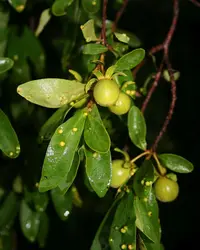
Edible Fig Care (Ficus carica 'Celeste')

Also known as: Common Fig, Higo, Tennessee Mountain Fig
Edible Fig

About Edible Fig

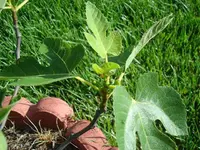
Ficus carica 'Celeste' is a deciduous fruit tree, commonly grown as a small yard tree or container plant for its sweet, brownish-purple figs. It has broad, lobed leaves and a naturally rounded, compact growth habit that suits smaller gardens and patios.

This cultivar comes from the Mediterranean fig, which has long been cultivated in warm, dry regions but adapts well to many temperate climates. It is valued for reliable fruiting, cold tolerance compared with many figs, and generally forgiving growth, which makes it easier to care for Edible Fig than many other fruit trees.

It prefers full sun, well-drained soil, and moderate moisture, and responds well to basic pruning and regular observation for pests or fruit-splitting issues.

Main Plant Requirements

Care Difficulty

Moderate Care

Light Preference

Full Sun

Water Requirements

Moderate Water

Temperature Preference

Warm Climate

Hardiness Zone

7–10

Soil Texture

Sandy, Loamy, Organic-rich

Soil pH

Acidic (5.5–6.5), Slightly acidic (6.5–7.0)

Soil Drainage

Well-drained

Fertilization

Minimal (feed rarely)

Get Personalized Care Plan

Scan your plant to receive care tips personalized for your specific plant

Available on iOS and Android

How to Care for the Edible Fig

Ficus carica 'Celeste' performs best with strong, consistent sun exposure for reliable fruiting and compact growth.

  • Provide 6–8 hours of direct sun daily; morning sun with light afternoon shade suits hot-summer areas and reduces leaf scorch.
  • In cooler regions, full sun all day promotes sweeter fruit; in very hot climates, give filtered light or partial shade during the hottest 2–4 hours.
  • The Edible Fig tolerates light shade but yields less; sparse growth, small leaves, or poor fruiting indicate insufficient light and the need for a brighter site.

Ficus carica 'Celeste' prefers deep, infrequent watering that allows the soil surface to dry slightly between soakings.

  • Outdoors in the ground, water when the top 5–7 cm of soil are dry, applying a slow, deep soak so moisture reaches the main root zone.
  • Use fast-draining soil and avoid standing water; yellowing leaves, leaf drop, or sour-smelling soil suggest overwatering and possible root stress.
  • In hot, dry summers, expect more frequent watering; in cool or rainy periods, reduce watering, watching for drooping, curled leaves as a sign of drought stress.

This fig thrives in warm conditions but needs protection from hard freezes and extreme heat stress.

  • Optimal growth occurs around 70–85°F (21–29°C); active shoot and fruit development slow noticeably below this range.
  • Mature plants tolerate brief drops to about 15–20°F (-9 to -6°C) when dormant, but young trees and fresh growth are damaged near freezing.
  • During heat above 95°F (35°C), provide extra water and some afternoon shade to prevent leaf scorch and fruit drop, especially in exposed sites.

This fig cultivar prefers moderately dry household air and usually does not need special humidity management.

  • Aim for 30–50% humidity; typical indoor conditions suit Edible Fig without extra equipment.
  • Brown, crispy leaf edges with otherwise moist soil usually indicate air is too dry or heat is excessive.
  • If air drops below 30%, group plants together and keep the pot above, not in, a tray of water with pebbles.

This fig performs best in loose, well-drained, slightly alkaline to neutral soil that still holds moderate moisture.

  • Use a mix of roughly 50% loam-based potting soil, 30% coarse sand or grit, and 20% compost to give Ficus carica 'Celeste' both structure and fertility.
  • Ensure rapid drainage; water should clear the surface within seconds and not pool in the saucer after watering.
  • Maintain pH around 6.5–7.5; add garden lime if soil is noticeably acidic or if leaves yellow despite correct watering.
  • Avoid heavy clay that stays wet, and improve aeration by blending in perlite or fine bark where soil feels compacted.

This fig adapts well to container growing when the pot is chosen for drainage, root space, and stability.

  • Select a deep, wide container so roots can spread horizontally, which helps control vigor while still supporting fruiting.
  • Choose a heavier material like ceramic or thick-walled plastic to keep the top-heavy plant from tipping in wind.
  • Raise the pot on feet or bricks so drainage holes stay clear and excess water escapes quickly after heavy watering or rain.

Ficus carica 'Celeste' benefits from moderate feeding during active growth but needs a light approach.

  • Use a balanced NPK fertilizer (such as 10-10-10) or well-rotted compost for container or nutrient-poor soil trees.
  • Apply fertilizer every 4–6 weeks in spring and early summer, then stop by mid to late summer.
  • Dilute liquid feeds to 1/2 strength to avoid excessive leafy growth at the expense of fruit.
  • During fall and winter dormancy, do not apply fertilizer when caring for Edible Fig.

Pruning Ficus carica 'Celeste' maintains structure, controls size, and supports fruit production.

  • Carry out main pruning in late winter while the tree is leafless and dormant.
  • Remove dead, diseased, crossing, or inward-growing branches to improve airflow and light penetration.
  • Shorten overly long shoots to shape the canopy and keep fruiting wood at a manageable height.
  • Use clean, sharp bypass pruners or loppers, making cuts just above outward-facing buds.

Container-grown and young Ficus carica 'Celeste' trees benefit from occasional repotting or careful transplanting.

  • Check for roots circling the pot, emerging from drainage holes, or noticeably slowed growth as signs a larger container or planting site is needed.
  • Plan repotting or transplanting for early spring before strong new growth begins, typically every 2–3 years in containers.
  • Move the plant into a pot 5–8 cm wider, keeping the root ball intact and using well-drained, gritty soil.
  • Water thoroughly after moving, keep the tree shaded or in filtered light for 3–5 days, and avoid heavy pruning at the same time to limit stress.

Ficus carica 'Celeste' is most commonly propagated from cuttings for reliable cloning of the parent tree.

  • Take 15–25 cm hardwood cuttings in late winter or early spring from healthy, pencil-thick one-year shoots.
  • Remove lower buds, then insert cuttings into a well-drained mix such as 50% perlite and 50% peat or coco coir.
  • Keep the rooting medium just moist, with bright indirect light and temperatures around 65–75°F.
  • Alternatively, use simple ground layering in spring by bending a low branch to soil, wounding slightly, pegging down, and severing once roots form.

Ficus carica 'Celeste' is relatively cold hardy but young trees and containers need some winter attention.

  • Mature in-ground trees tolerate brief dips near 0°F, but young plants are more sensitive to deep freezes.
  • Apply 5–10 cm of organic mulch over the root zone in late fall, keeping it slightly away from the trunk.
  • Wrap young trunks and low branches with breathable frost cloth or burlap in regions with harsh winters.
  • Move container figs into an unheated garage, shed, or cool sunroom where temperatures stay around 30–45°F.

Care Tips

Summer root shading

Place flat stones or a light mulch layer over the root zone to keep soil slightly cooler and more stable in summer, which helps reduce fruit drop in heat waves.

Limit early fruiting

Remove most of the first-season figs on young plants so the tree can direct energy into building strong roots and framework branches instead of stressing over a heavy crop.

Use flexible branch ties

Gently tie young branches to a fan or open vase shape using soft, flexible ties on a sturdy support, which improves light penetration and makes future pruning and harvest much easier.

Controlled container constriction

If growing in a pot, use a slightly snug container and root prune lightly every 2–3 years to keep the plant compact and productive rather than tall and lanky with fewer figs.

Late frost protection

On nights forecast near or below freezing after budbreak, wrap the crown and main branches with breathable fabric or frost cloth to protect tender new growth and the developing early crop when caring for Edible Fig.

Common Pests and Diseases

Fig rust

This disease causes small yellow spots on upper leaf surfaces that turn rusty brown, often leading to early leaf drop, especially in warm, humid weather.

Solution

Remove and discard all affected leaves on and under the tree, then improve airflow by light thinning of dense branches. Avoid overhead watering, keep foliage dry when possible, and if the problem is recurring, apply a labeled copper-based fungicide in late spring to protect new leaves as part of broader Ficus carica 'Celeste' care instructions.

Fig mosaic virus

This disease causes mottled yellow patterns, ring spots, or distorted leaves and can reduce vigor and fruit quality over time.

Solution

Prune out and discard the most distorted or symptomatic shoots to reduce virus load and improve appearance, disinfecting tools between cuts. Control sap-feeding insects such as mites and leafhoppers that spread the virus, and avoid propagating new plants from visibly infected trees.

Dried fruit beetles

These insects enter soft, ripening figs through small openings, causing souring, internal decay, and attraction of wasps and other insects.

Solution

Harvest figs promptly as they ripen and remove any split or overripe fruit from the tree and ground. Use fine mesh bags over fruit clusters or exclusion netting around small trees, and maintain good orchard sanitation to break the beetle life cycle.

Fig scale

This pest appears as small, flattened bumps on stems and leaf veins, feeding on sap and leading to yellowing leaves, stunting, and sooty mold from honeydew deposits.

Solution

Prune out heavily infested twigs and discard them, then wash remaining stems with a strong spray of water and a soft brush if practical. For persistent infestations, apply horticultural oil during the dormant season or to well-hydrated plants in mild weather, thoroughly coating branches and bark crevices.

Spider mites

These pests cause fine stippling, bronzing, and a dull appearance on leaves, often with very fine webbing in hot, dry conditions.

Solution

Rinse foliage thoroughly with water, including the undersides of leaves, repeating several times over 7–10 days to knock back populations. Increase humidity around container plants, avoid water stress, and if needed use insecticidal soap or horticultural oil labeled for mites, applied carefully during cooler parts of the day.

Interesting Facts

Cold-hardy dessert fig

This cultivar is known for reliably setting sweet, medium-sized figs even in regions with cooler summers and light winter frost, making it one of the more cold-tolerant common figs used in home gardens in the southern United States.

Closed eye fruit

Celeste figs typically have a very small, tightly closed ostiole (the opening at the fruit tip), which helps reduce souring and insect entry in humid climates and is a key trait for growers who want high-quality fresh fruit.

Early-season ripening

In many warm temperate areas, Celeste produces its main crop in early to mid-summer, often earlier than many other fig cultivars, which allows fruit to mature before peak late-summer pest and disease pressure.

Botan icon

Did you know?

Celeste is widely believed to be one of the old Southern fig cultivars historically maintained in the United States by pass-along cuttings, often grown near homes and churches in the Gulf Coast region for generations, which has contributed to its strong reputation among gardeners for reliability and flavor.

FAQs about Edible Fig

The fruits are edible and commonly eaten fresh, dried, or used in preserves and baking. The peel is usually safe to eat, though some people prefer to remove it due to texture or mild skin sensitivity.

Grow Healthy Plants with Botan Care

Keep your plants happy and healthy with plant identification, disease detection, and easy care guidance.

Botan plant care app — identify plants on mobile

Explore More Plants