Graft union protection
Keep the graft union 5–10 cm above soil level and use a light mulch ring rather than piling soil or mulch against the trunk to reduce graft rot and winter damage risk.

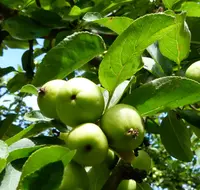
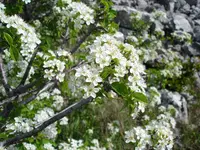
Toringo crabapple, Malus toringo, is a small deciduous tree or large shrub valued for its light, graceful form and abundant spring blossom. It typically has fine, twiggy branching and small, often deeply lobed leaves that give it a delicate, airy look in the landscape.
In spring it carries clusters of white to pale pink flowers, followed by small ornamental fruits that attract birds. The plant is native to East Asia, especially Japan, and is often used in temperate gardens and parks.
Malus toringo is generally considered manageable for most gardeners, provided it receives full sun, moderately moist, well-drained soil, and some air movement to limit disease. Understanding how to care for Toringo Crabapple mainly involves matching it with a suitable, open site and avoiding prolonged drought or waterlogging.

Care Difficulty
Moderate Care

Light Preference
Full Sun

Water Requirements
Moderate Water

Temperature Preference
Cold Hardy

Hardiness Zone
4–8

Soil Texture
Loamy, Sandy, Clay

Soil pH
Acidic (5.5–6.5), Slightly acidic (6.5–7.0)

Soil Drainage
Moist but well-drained

Fertilization
Minimal (feed rarely)
Scan your plant to receive care tips personalized for your specific plant
Available on iOS and Android
This small crabapple thrives in full sun but tolerates some light shade, especially in hotter regions.
This species prefers steadily moist, well-drained soil rather than frequent shallow watering.
This hardy deciduous tree is adapted to cold winters and moderate summers in temperate climates.
This temperate outdoor tree handles typical 40–60% ambient humidity and rarely needs special humidity management.
Malus toringo prefers moderately fertile, well‑structured mineral soil that drains freely yet retains some moisture.
This species can be grown in containers for several years, mainly as a patio or training specimen.
This small crabapple benefits from light feeding on poorer soils but often grows well without heavy fertilization.
Thoughtful pruning keeps Malus toringo healthy, well-shaped, and flowering reliably.
This crabapple is usually grown in the ground, so focus on careful transplanting more than frequent repotting.
Malus toringo is commonly propagated by seed and grafting, with softwood cuttings used less often at home scale.
This hardy crabapple tolerates typical winters in most temperate regions and usually needs only minimal extra care.

Plant Health Check
Not sure what's wrong with your plant? Check your plant's health inside the app.
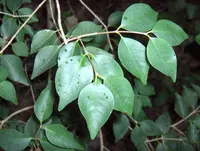
This species has smaller, more finely toothed leaves than many other crabapples, giving mature trees a delicate, almost ferny canopy that contrasts with their rugged hardiness.
It produces very small, pea-sized crabapples that often persist into winter and are readily eaten by birds, supporting seasonal food webs in temperate gardens and naturalized plantings.
Malus toringo is native to Japan, where it naturally occurs on hillsides and mountain slopes, which helps explain its tolerance of cool climates and moderately exposed sites.

Garden hybrids and selections involving Malus toringo have been used extensively in ornamental breeding, contributing traits like compact size, heavy blossom production, and fine-textured foliage to many modern flowering crabapple cultivars.
Poor flowering usually comes from insufficient light, heavy pruning at the wrong time, or nutrient imbalance. Avoid removing branches after midsummer, prevent excess nitrogen, and keep the tree stress-free to support reliable bud formation and abundant blossom display.
Keep your plants happy and healthy with plant identification, disease detection, and easy care guidance.