sour orange Care (Citrus × aurantium)

Also known as: Bitter orange, Orange, Marmalade Orange, Seville Orange, Mandarin Orange, Mandarin, tangerine, tangor, Sweet Orange, tangelo, king orange, myrtle-leaved orange, Aranis
sour orange

About sour orange

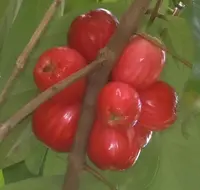
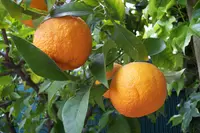
Sour orange, Citrus × aurantium, is an evergreen citrus tree grown for its fragrant flowers, ornamental fruit, and use in marmalades and flavorings. It has glossy, dark green leaves, sharp thorns, and round, rough-skinned orange fruits that are distinctly bitter and acidic.

This species likely originated in Southeast Asia and is now naturalized and cultivated in many warm regions worldwide, often as a rootstock for other citrus. It is moderately vigorous and relatively tough but more cold-sensitive than hardy landscape trees, so it suits mild climates or container growing.

To care for sour orange successfully, provide bright light, free-draining soil, and steady but not excessive moisture, avoiding prolonged waterlogging or extreme dryness.

Main Plant Requirements

Care Difficulty

Moderate Care

Light Preference

Full Sun

Water Requirements

Moderate Water

Temperature Preference

Warm Climate

Hardiness Zone

9–11

Soil Texture

Sandy, Loamy, Organic-rich

Soil pH

Acidic (5.5–6.5), Slightly acidic (6.5–7.0)

Soil Drainage

Moist but well-drained

Fertilization

Moderate (every 2–4 weeks)

Get Personalized Care Plan

Scan your plant to receive care tips personalized for your specific plant

Available on iOS and Android

How to Care for the sour orange

Citrus × aurantium needs abundant light to flower and fruit well outdoors in most warm climates.

  • Provide 6–8 hours of direct sun daily, with morning sun and light afternoon shade in very hot regions to reduce leaf scorch.
  • Tolerates light partial shade (3–4 hours direct sun), but growth, flowering, and sour orange fruiting decrease as light is reduced.
  • In cooler seasons, maximize exposure by avoiding shade from buildings or trees, and rotate container plants so all sides receive balanced light.

This citrus prefers evenly moist but never waterlogged soil, with watering guided by soil feel rather than a strict schedule.

  • Outdoors in well-drained soil, water when the top 3–5 cm feels dry; in hot, windy conditions this may mean deep watering 1–2 times per week.
  • Use free-draining soil and avoid standing water; yellowing, soft leaves and sour smell from the root zone indicate overwatering and poor aeration.
  • Dry, curling leaves and hard, shrinking soil suggest underwatering; water slowly until it drains from the bottom, then allow excess moisture to escape fully.

This species grows best in warm, stable conditions and is sensitive to both frost and extreme heat.

  • Optimal growth occurs around 65–85°F (18–29°C), with good flowering and fruit set when nights stay above 55°F (13°C).
  • Avoid temperatures below 28°F (-2°C); prolonged exposure near or below freezing can damage leaves, young wood, and flowers.
  • In heat above 95°F (35°C), provide extra water and light afternoon shade to limit stress, leaf drop, and fruit sunburn, especially for container plants.

Citrus × aurantium prefers moderately humid air but adapts to typical indoor levels if roots are well managed.

  • Aim for 40–60% humidity; it tolerates brief drops lower if watering is consistent.
  • Crisping leaf tips, curling edges, and stalled new growth indicate humidity stress or combined dry air and underwatering.
  • Increase local humidity by grouping plants, placing pots on pebble trays with water below the base, or running a small nearby humidifier for sour orange.

Citrus × aurantium grows best in freely draining, aerated soil that keeps roots moist but never waterlogged.

  • Use a sandy loam mix: roughly 50% peat- or coir-based potting mix, 25% coarse sand, 25% perlite or fine bark for structure and air spaces.
  • Target slightly acidic to neutral pH around 6.0–7.0; avoid very alkaline mixes that can cause leaf yellowing from nutrient lockout.
  • Ensure rapid drainage by avoiding high-clay garden soil and heavy compost-only mixes, which compact and suffocate roots.
  • Improve aeration further by mixing in chunky pine bark or pumice if water remains on the surface for more than a few seconds.

This species is well suited to container growing when provided with stable, well-drained root conditions.

  • Choose a deep, heavy container that resists tipping, as woody top growth becomes dense and can make the plant top-heavy.
  • Select pot materials such as glazed ceramic or thick plastic if faster moisture loss from porous terracotta is a concern in hot, dry climates.
  • Leave a clear 2–3 cm gap between soil surface and rim to allow thorough watering without overflow and to keep mulch contained.

Citrus × aurantium responds well to moderate, consistent feeding during the active growing season.

  • Use a balanced citrus fertilizer or 10-10-10 NPK, or a slow-release citrus blend, for caring for sour orange in pots or ground.
  • Feed every 4–6 weeks from early spring to late summer; avoid feeding in late fall and winter.
  • Apply at half to three-quarter label strength for container plants; water before and after to prevent root burn.
  • Supplement with light compost top-dressing once a year, staying clear of the trunk to reduce rot risk.

Citrus × aurantium benefits from light, structured pruning to maintain health and shape.

  • Prune in late winter to early spring before strong new growth begins.
  • Remove dead, damaged, crossing, or inward-growing branches to improve airflow and light penetration.
  • Shorten overly long shoots to maintain a balanced, open canopy that supports flowering and fruiting.
  • Use clean, sharp bypass pruners and make angled cuts just above outward-facing buds or branch junctions.

Citrus × aurantium in containers or young field trees needs thoughtful transplanting to avoid growth setbacks.

  • Repot or transplant in early spring when growth is starting and temperatures are mild.
  • Look for roots circling the pot, crowded drainage holes, or slowed growth as cues to move up 1 pot size.
  • Gently loosen outer roots, keep the root ball intact, and plant at the same soil level in free-draining citrus mix.
  • Water thoroughly after moving, then keep soil evenly moist and shade lightly for 1–2 weeks to reduce transplant shock.

Citrus × aurantium is commonly propagated by semi-hardwood cuttings and seeds, often combined with grafting.

  • Take semi-hardwood cuttings in late spring to summer, 10–15 cm long, with 2–3 leaf nodes.
  • Dip cut bases in rooting hormone and place in sterile, well-drained mix at 70–80°F with high humidity and bright shade.
  • Sow fresh seeds in warm, moist, free-draining substrate; germination is slower and seedlings may vary from the parent.
  • Once rooted or germinated, increase light gradually and pot on into individual containers with citrus-appropriate soil.

Citrus × aurantium is frost sensitive and needs targeted winter care in most temperate regions.

  • In-ground trees tolerate brief light frosts only; add 5–8 cm mulch over the root zone, keeping it away from the trunk.
  • Wrap young trunks with breathable frost cloth or horticultural fleece during cold snaps.
  • Move container plants indoors or to a bright, cool, frost-free space when temperatures approach 32°F.

Care Tips

Rootstock selection

Choose grafted plants on disease-resistant rootstocks such as trifoliate orange or sour orange when possible, as this improves tolerance to soil issues, cold, and some root diseases over the long term.

Wind and branch support

Install a sturdy stake for young trees and use soft, adjustable ties to prevent trunk snapping and scaffold branches from splitting under the weight of fruit.

Canopy light management

Thin dense interior twigs lightly each year so that dappled light reaches inner branches, which improves flowering, fruit quality, and reduces pest and fungal pressure inside the canopy.

Preventing fruit drop

Avoid sudden changes in soil moisture and nutrition during flowering and early fruit set, and if needed, thin excess small fruits by hand so the remaining fruits develop better size and flavor.

Salt and chloride control

In areas with hard or salty water, periodically leach the pot or root zone by watering deeply until excess drains out to reduce salt buildup that can burn leaf tips and weaken the tree when growing sour orange.

Common Pests and Diseases

Citrus leaf miner

This pest creates winding, silvery tunnels inside young leaves, causing distortion and reduced growth on new flushes.

Solution

Prune and discard heavily damaged young shoots, then protect new growth by using horticultural oil on the undersides of leaves every 7–14 days during flush periods; avoid heavy nitrogen fertilization that stimulates overly soft new growth, and use pheromone traps outdoors where available.

Citrus aphids

These insects cluster on tender shoots and leaf undersides, sucking sap and causing curling leaves, sticky honeydew, and sooty mold growth.

Solution

Dislodge colonies with a strong stream of water, then treat remaining aphids with insecticidal soap or horticultural oil, repeating every 5–7 days until populations decline; control ants that farm aphids by using ant baits around outdoor containers or garden beds.

Citrus scale

This pest appears as small, dome-shaped or flat bumps on stems, twigs, and leaf midribs, often accompanied by sticky honeydew and black sooty mold.

Solution

Gently scrape off heavily infested stems or prune and discard badly affected twigs, then apply horticultural oil thoroughly over stems and leaf surfaces to smother remaining scale, repeating 1–2 times at 2–3 week intervals, especially for sour orange indoor care.

Citrus canker

This disease causes raised, corky lesions with yellow halos on leaves, stems, and sometimes fruit, leading to leaf drop and twig dieback in severe cases.

Solution

Promptly remove and dispose of infected leaves and twigs in the trash, avoid overhead watering, and improve spacing and airflow; in outdoor plantings, use windbreaks to reduce spread and, where legally permitted, apply copper-based sprays preventively during warm, wet weather.

Greasy spot

This disease produces yellow spots on leaves that turn dark, blisters on the underside, and eventual premature leaf drop, especially in warm, humid climates.

Solution

Rake and remove fallen leaves that harbor the fungus, maintain good spacing and airflow, and in regions with known greasy spot pressure use copper or other labeled fungicides preventively in mid to late summer, coating the undersides of leaves thoroughly.

Interesting Facts

Hybrid origin history

Citrus × aurantium is a natural hybrid between pomelo (Citrus maxima) and mandarin (Citrus reticulata), probably formed thousands of years ago and then spread widely through human cultivation around the Mediterranean and Middle East.

Essential oil complexity

The plant provides three distinct commercial essential oils from different organs: bitter orange oil from the fruit peel, petitgrain oil from the leaves and young twigs, and neroli oil from the flowers, each with a different aromatic profile and chemical composition.

Rootstock importance

This species has been widely used as a rootstock for other citrus trees because of its tolerance to temporary flooding and soil salinity, although its use has declined in some regions due to susceptibility to certain viral diseases.
Botan icon

Did you know?

Bitter orange was introduced into Europe centuries before the sweet orange and became an important ornamental and functional tree in historic palace and monastery gardens, where large collections of potted specimens, known as orangeries, were cultivated for their fragrant blossoms and aromatic fruit.

FAQs about sour orange

Yellowing leaves often result from nutrient deficiencies, especially nitrogen or iron, or from waterlogged roots. Check drainage, avoid overwatering, and use a balanced citrus fertilizer. Cold stress and old age leaves can also yellow and drop naturally.

Grow Healthy Plants with Botan Care

Keep your plants happy and healthy with plant identification, disease detection, and easy care guidance.

Botan plant care app — identify plants on mobile

Explore More Plants