Holy Bramble Care (Rubus creticus)

Holy Bramble

About Holy Bramble

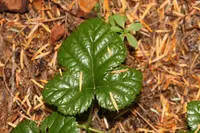
Holy bramble (Rubus creticus) is a deciduous shrub in the rose family, valued for its arching, thorny canes and soft, palmate leaves. It produces pink to purplish flowers followed by edible, dark purple-black berries.

This species grows naturally around the Mediterranean, often on dry hillsides, scrub, and open woodland edges. It forms dense thickets over time, which makes it useful for wildlife habitat and informal hedging.

It is generally robust and tolerant, but its vigorous, suckering habit means it can spread if not managed. To care for Holy Bramble, provide sun to light shade, moderately moist but well-drained soil, and space to accommodate its growth.

Main Plant Requirements

Care Difficulty

Easy Care

Light Preference

Full Sun

Water Requirements

Moderate Water

Temperature Preference

Cold Hardy

Hardiness Zone

6–9

Soil Texture

Sandy, Loamy, Clay

Soil pH

Acidic (5.5–6.5), Slightly acidic (6.5–7.0)

Soil Drainage

Well-drained

Fertilization

Minimal (feed rarely)

Get Personalized Care Plan

Scan your plant to receive care tips personalized for your specific plant

Available on iOS and Android

How to Care for the Holy Bramble

Rubus creticus thrives in bright outdoor conditions with several hours of direct sun daily.

  • Provide 4–6 hours of direct sun, ideally morning to early afternoon, with light shade during the hottest midday hours in hot-summer areas.
  • Plant Holy Bramble where it gets at least partial shade in the afternoon to reduce leaf scorch and help conserve soil moisture.
  • In cooler climates, full sun all day improves flowering and fruiting, while heavy shade leads to weak growth, fewer flowers, and poor fruit set.

Rubus creticus prefers evenly moist, well-drained soil rather than constant wetness.

  • Water when the top 3–5 cm of soil feels dry, applying a deep soak so moisture reaches the root zone instead of frequent shallow splashes.
  • Use soil with good drainage; prolonged puddling, sour smell, or yellowing soft leaves indicate overwatering and possible root stress.
  • In spring and summer, monitor more often during heat or wind; in fall and winter, reduce watering as growth slows and rainfall usually supplies most moisture.

This bramble is cold hardy but grows best within a moderate temperature range.

  • Active growth is strongest around 60–75°F (16–24°C); young shoots and flowers form best when extreme heat or cold is avoided.
  • Mature plants tolerate winter lows near 5–10°F (-15 to -12°C), going dormant and resprouting in spring if canes are damaged.
  • In hot spells above 90°F (32°C), provide mulch to cool roots and some afternoon shade to limit heat stress, leaf scorch, and fruit shriveling.

Rubus creticus handles a wide humidity range and usually needs no special humidity management.

Rubus creticus prefers loose, well-drained mineral soil with moderate organic matter for strong root and cane development.

  • Use a loamy or sandy-loam soil that crumbles easily in the hand, avoiding heavy clay that compacts around roots.
  • Aim for slightly acidic to neutral pH around 6.0–7.0, amending alkaline soils with composted organic matter.
  • Incorporate 20–30% well-rotted compost plus coarse sand or fine gravel to improve structure, drainage, and nutrient availability.
  • Avoid waterlogged or very shallow soils; raised beds or mounded rows help increase aeration and reduce root disease risk.

This species can be grown in containers if the pot is large, stable, and drains very efficiently.

  • Choose a deep, wide container to allow spreading roots and to reduce the risk of the plant becoming top-heavy as canes lengthen.
  • Use a thick-walled or heavier pot material to improve stability against wind and to support trellis or cane weight.
  • Fill the container with a fast-draining mix and keep drainage holes fully open, elevating the pot slightly so excess water escapes quickly.

Rubus creticus benefits from modest feeding when grown in home gardens or containers.

  • Use a balanced slow-release fertilizer (for example 10-10-10) or well-rotted compost worked into the topsoil in early spring.
  • Feed every 6–8 weeks through the active growing season if growth or fruiting seems weak.
  • Apply at half the label rate for container plants to avoid salt buildup and root burn.
  • Stop feeding in late summer to allow shoots to harden before winter dormancy.

Pruning helps keep Rubus creticus productive, manageable, and healthy.

  • Use clean, sharp bypass pruners or loppers to make angled cuts just above buds or side shoots.
  • In late winter or very early spring, remove dead, diseased, or damaged canes back to healthy wood.
  • Thin crowded canes, leaving strong, well-spaced shoots to improve airflow and light penetration.
  • After fruiting, cut spent floricanes (2-year-old fruiting canes) to ground level to encourage new growth.

This bramble is more often transplanted in-ground than kept long-term in containers.

  • Transplant in early spring or fall when temperatures are mild and soil is moist but not waterlogged.
  • Move plants when growth slows, roots circle the container, or canes seem stunted despite good care.
  • Lift with a generous soil ball, keep roots shaded and damp, and replant at the same depth in well-drained soil.
  • Water thoroughly after planting, then keep soil evenly moist for 2–4 weeks to reduce transplant shock.

Rubus creticus is commonly multiplied by layering, division, and hardwood cuttings.

  • In late winter, take 15–20 cm hardwood cuttings, insert into moist, free-draining medium, and keep cool and bright.
  • During the growing season, pin low, flexible canes to the soil for tip layering; sever and move rooted tips in fall or spring.
  • Divide established clumps in early spring, keeping several healthy canes and a strong root portion for each division.
  • Seeds can be used but need cold stratification, consistent moisture, and patience due to slow, uneven germination.

Holy Bramble is generally cold hardy and needs only light winter attention in most temperate gardens.

  • In colder regions, apply a 5–8 cm mulch layer over the root zone after the ground cools to moderate soil temperature.
  • Avoid piling mulch against the canes to reduce risk of rot and rodent damage.
  • For container plants in cold climates, move pots into an unheated garage or against a sheltered wall to limit root freeze–thaw cycles.

Care Tips

Install sturdy supports

Set up a tensioned wire or post-and-rail system before plants reach 30–40 cm, then loosely tie new canes along the wires to keep berries off the soil and make harvesting and disease inspection easier.

Manage cane age

After fruiting, remove spent 2-year-old canes at ground level during dormancy while clearly tagging or tying current-year canes to their own wire so productive wood is easy to distinguish next season.

Optimize ground cover

Use a 5–8 cm layer of coarse organic mulch under and between rows, keeping it a few cm away from the crown to suppress weeds, stabilize soil moisture, and reduce splash-borne fungal infections when caring for Holy Bramble.

Encourage air movement

Space plants and rows so you can comfortably walk between them and selectively thin out crowded side shoots to improve airflow, which helps foliage dry faster and limits common cane and leaf diseases.

Time harvest correctly

Pick berries only when fully colored and slightly soft, harvesting every 2–3 days and placing them directly into shallow containers to avoid bruising and extend post-harvest storage life.

Common Pests and Diseases

Raspberry beetle

This pest causes dry, crumbly berries with brown patches and small tunnels where larvae have fed inside the fruit. Symptoms include early browning and distortion of developing berries, often with small white grubs present.

Solution

Remove and dispose of infested fruits promptly to reduce larvae completing their life cycle, and keep the area under plants clean of fallen fruit. In home gardens, use fine insect mesh over plants just before flowering, shake canes over a sheet in early morning to dislodge adults, and encourage natural predators by maintaining plant diversity nearby.

Aphids

These insects cluster on young shoots and the undersides of leaves, sucking sap and causing curling, distortion, and sticky honeydew that can lead to sooty mold. This pest also transmits viruses between canes if populations are not controlled.

Solution

Spray shoots and leaf undersides with a strong stream of water to knock aphids off, and prune out heavily infested soft tips. If needed, use insecticidal soap or a horticultural oil labeled for edible brambles, applying in the early morning or evening and repeating as necessary while monitoring for natural predators like lady beetles.

Spur blight

This disease produces dark, wedge-shaped lesions around leaf bases and buds on canes, often leading to dead, weak, or missing lateral shoots the following season. Symptoms include brown to purple bands on canes, especially in dense, poorly ventilated plantings.

Solution

Cut out and destroy affected canes at ground level during dry weather, and thin remaining canes to improve airflow and light penetration. Avoid overhead watering, keep foliage as dry as possible, and apply a labeled fungicide in early spring on susceptible plantings if the problem recurs.

Cane blight

This disease causes sudden wilting or dieback of individual canes, often starting at pruning wounds or damaged areas. Symptoms include sunken, discolored patches on canes that girdle stems and reduce vigor and yield.

Solution

Prune only during dry weather, making clean cuts and removing any damaged, weak, or diseased canes at the base, then destroy prunings away from the planting. Improve drainage and spacing, avoid high-nitrogen fertilization that encourages soft growth, and consider a preventive fungicide spray after pruning in sites with a history of cane blight.

Verticillium wilt

This disease originates in the soil and causes uneven yellowing, wilting, and dieback of canes, often affecting one side of the plant first. Symptoms include stunted growth and poor fruit set, and affected plants usually decline over several seasons.

Solution

Remove and destroy severely affected plants including as many roots as possible, and avoid replanting Rubus species in the same spot for several years. Improve soil structure with organic matter, ensure good drainage, and avoid planting near known hosts like tomatoes, potatoes, and eggplants to reduce infection risk when growing Holy Bramble.

Interesting Facts

Ancient Mediterranean bramble

Rubus creticus is a wild bramble native to the eastern Mediterranean, especially common on the island of Crete and surrounding regions, where it forms dense thickets in scrub and woodland edges.

Distinctive fruit appearance

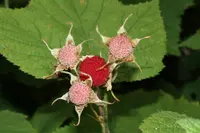
Its aggregate fruits are typically dark red to purple-black and often slightly elongated, which helps distinguish them from many European blackberry species whose fruits are usually rounder and glossier.

Key wildlife food source

In its native range, this species provides important nectar for bees and other pollinators in spring and early summer, then later offers fruit eaten by birds and small mammals that help disperse its seeds.

Botan icon

Did you know?

Archaeobotanical studies have reported Rubus-type seeds interpreted as Rubus creticus from ancient Mediterranean sites, suggesting that people in this region have likely gathered and used its fruits since antiquity.

FAQs about Holy Bramble

This species spreads by arching canes and rooting where stems touch the soil, and by bird‑dispersed seeds. In open ground it can form dense thickets, so edging, mowing, or barriers help keep it contained.

Grow Healthy Plants with Botan Care

Keep your plants happy and healthy with plant identification, disease detection, and easy care guidance.

Botan plant care app — identify plants on mobile

Explore More Plants