Rubus imbricatus Care

Rubus imbricatus

About Rubus imbricatus

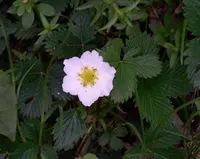
Rubus imbricatus is a deciduous bramble in the rose family, related to blackberries. It typically forms arching, thorny canes with compound leaves and white to pale pink flowers. Later it produces raspberry-like aggregate fruits.

This species occurs naturally in parts of Europe, often in woodland edges, hedgerows, and other semi-wild habitats. It can form dense thickets where it has space and suitable conditions.

Rubus imbricatus is generally robust and adaptable but can spread strongly if not managed. It prefers sun to light shade, moderately moist, well-drained soil, and benefits from occasional pruning when you care for Rubus imbricatus.

Main Plant Requirements

Care Difficulty

Moderate Care

Light Preference

Full Sun

Water Requirements

Moderate Water

Temperature Preference

Cold Hardy

Hardiness Zone

4–8

Soil Texture

Sandy, Loamy, Organic-rich

Soil pH

Acidic (5.5–6.5), Slightly acidic (6.5–7.0)

Soil Drainage

Moist but well-drained

Fertilization

Minimal (feed rarely)

Get Personalized Care Plan

Scan your plant to receive care tips personalized for your specific plant

Available on iOS and Android

How to Care for the Rubus imbricatus

This bramble thrives in open sites with plenty of direct sun for strong canes and good fruiting.

  • Provide 6–8 hours of direct sun daily; full sun is best, but light afternoon shade in very hot summers reduces leaf scorch.
  • Tolerates partial shade (about 3–4 hours of direct sun), though Rubus imbricatus will produce fewer, smaller fruits and longer, weaker canes.
  • Avoid deep shade near dense trees or buildings; in low light, stems stretch, yields drop, and foliage stays damp longer, increasing disease risk.

This species prefers consistently moist, well-drained soil rather than very dry or waterlogged conditions.

  • Irrigate when the top 3–5 cm of soil feels dry, focusing water at the root zone instead of wetting leaves to reduce disease.
  • During flowering and fruiting, ensure steady moisture; slow, deep watering is better than frequent light splashes, especially in sandy or sloping sites.
  • Reduce watering frequency in cool or rainy weather; signs of excess water include yellowing, soft canes, and sour smell, while dry, wilting leaves signal underwatering.

This hardy bramble tolerates a wide temperature range but fruits best in moderate conditions.

  • Ideal growing temperatures are about 60–75°F (16–24°C), supporting steady shoot growth and flower development.
  • Dormant canes usually survive winter cold down to about 0°F (−18°C) with mulch over the root zone, though young plants benefit from extra protection.
  • In hot spells above 86°F (30°C), soil mulch and some afternoon shade limit heat stress and sunscald on fruits and canes.

This bramble tolerates a wide humidity range and usually does not need special humidity management outdoors.

This species performs best in cool, moist, well‑structured mineral soil with ample organic matter.

  • Use a loamy, crumbly soil rich in composted organic material to balance moisture retention and aeration for Rubus imbricatus.
  • Aim for slightly acidic to neutral pH around 6.0–7.0; incorporate garden compost or leaf mold to support soil biology and structure.
  • Ensure free drainage by avoiding heavy, compacted clay; if soil is dense, work in coarse sand and fine gravel through the top 20–30 cm.
  • Avoid waterlogged or permanently saturated sites, especially in low-lying areas, to reduce root rot and weak, nutrient-starved growth.

This species can be grown in containers outdoors if the pot is large and stable enough for its vigorous root system and stems.

  • Choose a deep, heavy pot to anchor the plant and prevent tipping as canes lengthen and catch wind.
  • Use a slightly raised pot base or pot feet so drainage holes stay clear and runoff moves away quickly.
  • Place the container where trailing or tied canes can be supported on a trellis or nearby structure without stressing the pot rim.

Established Rubus imbricatus in garden soil usually needs minimal fertilizing if organic matter is present.

  • Apply a light layer of compost around the root zone in early spring to support new growth.
  • If growth or fruiting is weak, use a balanced slow-release NPK fertilizer at 1/2 strength in spring.
  • Feed once more in midsummer only on poor soils, avoiding direct contact with canes and stems.
  • Stop feeding in late summer so shoots harden before winter and avoid any fertilizer during winter dormancy.

Pruning helps maintain cane health, control spread, and support flowering and fruiting.

  • Prune late winter to early spring before buds break, using clean, sharp bypass pruners or loppers.
  • Cut out dead, diseased, and damaged canes at ground level to reduce pests and improve air flow.
  • Remove the oldest, most crowded canes to open the clump and encourage strong new shoots.
  • Shorten excessively long canes to the desired framework, tying remaining stems to supports for orderly growth.

This species is usually grown in the ground, so focus on careful outdoor transplanting rather than routine repotting.

  • Transplant in early spring or early fall when temperatures are mild and soil is moist but not waterlogged.
  • Move plants when growth slows, clumps outgrow their space, or roots circle inside a container.
  • Dig a wide hole, lift with as much root ball as possible, and replant at the same depth in well-drained soil.
  • Water thoroughly after planting, then keep soil evenly moist and shaded for 1–2 weeks to reduce transplant shock.

Propagation is commonly done from vegetative material to keep traits consistent and establish new patches.

  • Use tip layering in late summer by pegging a flexible cane tip into moist soil until roots form, then detach.
  • Take semi-ripe stem cuttings in midsummer, placing them in a free-draining mix under high humidity and bright shade.
  • Divide established clumps in early spring or fall, keeping several healthy buds and roots on each section.
  • Sow seeds in fall outdoors or after cold stratification, as many Rubus species need chilling to break dormancy.

Mature plants are generally cold hardy in most temperate climates and need only modest winter care.

  • Tolerates typical frosts once established, though young plants benefit from extra protection in the first 1–2 winters.
  • Apply a 5–8 cm mulch layer around the root zone in late fall, keeping it slightly away from stems.
  • In very cold or exposed sites, loosely tie canes together and use windbreaks to reduce drying and breakage.
  • Container-grown plants are more vulnerable; move them into a sheltered, unheated space where soil does not freeze solid.

Care Tips

Use sturdy supports

Install a strong trellis, wire system, or tensioned fence before the canes reach 30–40 cm so young shoots can be tied in with soft ties and trained horizontally for better fruiting and easier harvest.

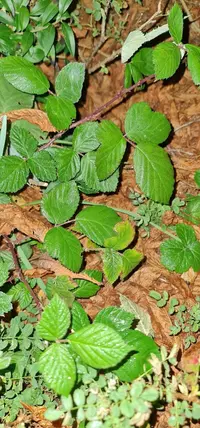
Two-wire training

Run 2 parallel wires at about 60–80 cm and 120–150 cm high, then tie current-year canes to one side and older fruiting canes to the other to keep growth organized and reduce damage during picking.

Mulch for cane health

Apply a 5–8 cm layer of organic mulch such as wood chips or shredded bark around, but not touching, the crowns to stabilize soil moisture, suppress weeds that compete with shallow roots, and keep canes less stressed.

Winter cane management

In cold regions, arch flexible first-year canes and loosely tie them lower on the support in late fall, which reduces wind damage and makes it easier to remove dead, fruited canes cleanly in late winter.

Targeted pest monitoring

From spring through fruiting, inspect weekly for cane borers, aphids, and spider mites, and remove infested tips or leaves promptly so that caring for Rubus imbricatus stays focused on prevention rather than rescue treatments.

Common Pests and Diseases

Raspberry beetle

This pest targets flower buds and developing fruits, causing dry, crumbly berries with small grubs inside. Symptoms include distorted fruits that ripen unevenly and may drop early.

Solution

Monitor flower clusters in spring and shake canes over a white sheet to detect adults, then remove and destroy affected buds and young fruits. For larger plantings, apply a targeted insecticide approved for edible cane fruits just before and during flowering, and remove plant debris after harvest to reduce overwintering sites when planning Rubus imbricatus care instructions.

Aphids

These insects cluster on young shoots and the undersides of leaves, sucking sap and causing leaf curl, yellowing, and sticky honeydew. This pest can also transmit viruses between canes.

Solution

Spray colonies off tender shoots with a firm stream of water and prune out heavily infested tips. Encourage natural predators such as lady beetles, and if populations remain high, use insecticidal soap or a horticultural oil labeled for edible soft fruits, applied thoroughly to leaf undersides.

Raspberry cane blight

This disease attacks wounded or pruned canes, causing dark, sunken lesions and sudden wilting or death of canes, especially after wet weather. Symptoms include brittle, grayish canes that die back from the lesion upward.

Solution

Prune out and destroy affected canes as soon as symptoms appear, cutting at least 15–20 cm below visible damage, and disinfect pruning tools between cuts. Avoid wounding canes during wet periods, ensure good row spacing and airflow, and apply a fungicide labeled for cane blights after pruning if the disease has been severe in previous years.

Orange rust

This disease causes weak, spindly canes with small, pale leaves that later show bright orange, powdery pustules on the undersides. Symptoms include whole plants becoming progressively weaker over several seasons.

Solution

Dig out and destroy entire infected plants, including roots, as they stay systemically infected and act as a long-term source of spores. Maintain wider spacing, control wild Rubus nearby, and choose certified disease-free planting stock to prevent introduction into new plantings.

Botrytis fruit rot

This disease develops in cool, damp conditions on flowers and fruits, leading to soft, water-soaked berries that quickly become covered with gray, fuzzy mold. Symptoms include berries sticking together in clusters and rotting on the cane or after harvest.

Solution

Improve air circulation by proper spacing, tying canes to supports, and removing excess foliage around fruiting zones, and avoid overhead watering when flowers and fruits are present. Remove and discard infected berries promptly, harvest regularly, and in sites with a history of severe Botrytis, consider a preventive fungicide program timed from early flowering through fruit set.

Interesting Facts

Central European specialist

This bramble species is naturally concentrated in Central and parts of Western Europe, where it forms a characteristic element of temperate woodland edges, hedgerows, and thickets rather than having a broad, nearly global range like many other Rubus species.

Imbricate leaf pattern

The species name imbricatus refers to its overlapping, tile-like arrangement of leaflets and sometimes branch structures, which botanists describe as imbricate and use as a diagnostic trait to separate it from closely related blackberry species.

Narrow habitat niche

Compared with many widespread blackberries, this species tends to favor moderately moist, base-rich soils and light to moderate shade, which makes it a useful indicator of relatively undisturbed, nutrient-rich woodland margins in parts of its native range.

FAQs about Rubus imbricatus

This bramble spreads readily by arching canes and sometimes suckers from the base. In fertile soil it can form dense thickets, so use barriers, regular pruning, or dedicated beds to keep growth under control.

Grow Healthy Plants with Botan Care

Keep your plants happy and healthy with plant identification, disease detection, and easy care guidance.

Botan plant care app — identify plants on mobile

Explore More Plants