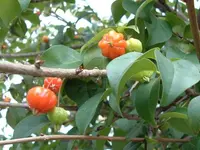
black wattle Care (Acacia leiocalyx)

Also known as: early flowering black wattle, lamb's tail wattle, curracabah
black wattle

About black wattle

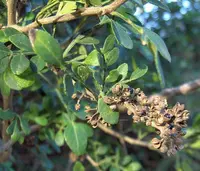
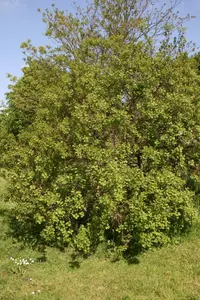
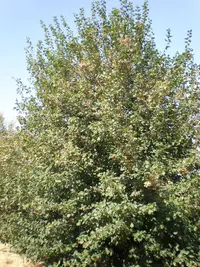
Black wattle (Acacia leiocalyx) is a fast-growing evergreen tree from eastern Australia, valued for its fine foliage and bright yellow, ball-shaped flower clusters. It typically forms a narrow to spreading canopy with smooth grey-brown bark and slender, sickle-shaped phyllodes that resemble leaves.

In its native range it grows in open forests and woodlands, often on poor, sandy or stony soils, which reflects its generally low nutrient needs. The species prefers full sun and good drainage, and it dislikes prolonged waterlogging.

Once established, it is relatively drought-tolerant and suited to low-maintenance landscapes, though its speed of growth and potential size need planning. Understanding how to care for black wattle starts with providing sun, space, and freely draining soil.

Main Plant Requirements

Care Difficulty

Easy Care

Light Preference

Full Sun

Water Requirements

Low Water

Temperature Preference

Warm Climate

Hardiness Zone

9–11

Soil Texture

Sandy, Loamy, Rocky

Soil pH

Acidic (5.5–6.5), Slightly acidic (6.5–7.0)

Soil Drainage

Well-drained

Fertilization

Minimal (feed rarely)

Get Personalized Care Plan

Scan your plant to receive care tips personalized for your specific plant

Available on iOS and Android

How to Care for the black wattle

This sun-loving Australian tree thrives in bright, open positions with long daily exposure.

  • Provide 6–8 hours of direct sun daily; full sun suits black wattle best in most mild to warm climates.
  • In very hot inland areas, give morning sun with light afternoon shade to reduce leaf scorch and moisture stress.
  • Young plants benefit from a season of slightly filtered light, while mature trees tolerate exposed sites but grow sparsely in deep shade.

This species prefers drying cycles between waterings once established, especially in well-drained soils.

  • Allow the top 5–8 cm of soil to dry before watering; in the ground, use deep, infrequent soakings guided by soil dryness, not a fixed schedule.
  • Reduce frequency in cool seasons, watering mainly during prolonged dry spells, and increase slightly for the first 1–2 years after planting.
  • Watch for yellowing, soft foliage and soggy soil as signs of overwatering, and for dull, folding leaves and very hard, cracking soil as signs of underwatering.

This tree is adapted to warm, mild climates and does best without prolonged hard freezes.

  • Aim for 65–85°F (18–29°C) for strongest growth, with active extension and flowering in the warmer part of this range.
  • Mature plants can tolerate brief drops to about 25–28°F (-4 to -2°C), but repeated frosts can damage young shoots and bark.
  • In hot regions, short periods up to 100°F (38°C) are tolerated if soil is not waterlogged, but seedlings need protection from hot, drying winds.

This species tolerates a wide humidity range and usually does not need special humidity management in homes or outdoor settings.

Acacia leiocalyx prefers light, fast-draining mineral soils that prevent waterlogging and root suffocation.

  • Use a sandy or sandy-loam mix with low to moderate organic matter to mimic its native conditions.
  • Combine roughly 60–70% coarse sand or grit with 30–40% loam-based mix; avoid heavy peat-based substrates.
  • Keep pH slightly acidic to neutral (pH 6.0–7.2) and avoid strongly alkaline or saline soils that impair nutrient uptake.
  • Improve aeration by adding coarse particles (pumice, fine gravel, or bark chips) and never allow the soil to stay saturated.

This species can be grown in containers, mainly when young or kept compact for ornamental use.

  • Choose a deep, heavy pot (e.g., thick terracotta) to counterbalance the fast, somewhat top-heavy woody growth.
  • Select a container only 5–10 cm wider than the root ball to maintain fast drainage and limit overly lush, weak growth.
  • Elevate the pot on feet or bricks so drainage holes clear freely and runoff does not reabsorb into the root zone.

This nitrogen-fixing tree needs modest feeding, especially when grown in poor soils or containers.

  • Use a balanced slow-release fertilizer (around 10-10-10) or well-rotted compost at the start of the growing season for caring for black wattle.
  • Feed container plants every 6–8 weeks in spring–summer at half the label strength, avoiding high-phosphorus products.
  • Reduce or stop fertilizing in fall–winter, as growth naturally slows and excess nutrients can cause weak, leggy shoots.
  • Always water before and after applying fertilizer to limit root burn and help nutrients move into the root zone.

Acacia leiocalyx benefits from light, planned pruning to maintain a healthy canopy and safe structure.

  • Schedule main pruning for late winter or very early spring, before strong new growth starts.
  • Remove dead, diseased, crossing, or storm-damaged branches first, cutting back to healthy wood with clean bypass pruners or a sharp saw.
  • Thin crowded interior shoots to improve airflow and light penetration, which supports stronger growth and reduces fungal issues.
  • Shorten overly long or leaning branches to shape the crown and keep the tree balanced, avoiding heavy cuts into the main trunk.

This species is usually grown in the ground, so focus on careful transplanting of young trees rather than frequent repotting.

  • Transplant when roots circle the pot, water drains very quickly, or top growth stalls despite good care, typically every 1–2 years in youth.
  • Choose early spring or mild early fall, avoiding extreme heat or cold so roots can re-establish quickly.
  • Move the plant with an intact root ball, disturbing roots as little as possible and planting at the same soil level in a well-drained site.
  • Water deeply after transplanting, then keep soil evenly moist but not waterlogged for several weeks to reduce stress and support new root growth.

This acacia is most reliably propagated from seed, which suits both home growers and restoration projects.

  • Collect mature seeds and scarify them by nicking the coat or soaking briefly in just-boiled then cooling water to break dormancy.
  • Sow in late winter–spring in a well-draining, sandy mix, keeping the medium lightly moist and warm (64–75°F).
  • Place trays in bright, indirect light with good airflow; seeds often germinate within several weeks under stable conditions.
  • Semi-hardwood cuttings are possible but less reliable; use rooting hormone, bottom heat, and high humidity to improve success rates.

This tree prefers mild, frost-free climates and needs thoughtful winter care in colder regions.

  • In-ground plants tolerate light, brief frosts but may suffer damage below about 25°F, especially when young.
  • Apply a 5–8 cm mulch layer around the root zone in late fall, keeping it slightly away from the trunk to prevent rot.
  • For container plants in cool areas, shift pots to a bright, sheltered porch, unheated greenhouse, or indoors near a sunny window.

Care Tips

Wind-hardening seedlings

Expose young plants to gradually increasing outdoor wind and light conditions over 7–10 days before planting out to produce sturdier stems and reduce transplant shock when growing black wattle.


Deep structural staking

For the first 1–2 years, use 2–3 low, flexible ties on a single sturdy stake set outside the root zone to guide a straight trunk while still allowing slight movement that encourages strong root and stem development.

Low-branch management

Remove or shorten only a few of the lowest branches each year once the plant is established, to lift the canopy slowly while preserving enough foliage for steady growth and trunk thickening.

Understory competition control

Maintain a clear, mulched zone at least 60–90 cm around the base, keeping turf and vigorous groundcovers out of this area to reduce moisture and nutrient competition during the establishment phase.

Nitrogen-fixation support

Avoid routinely adding high-nitrogen fertilizer and instead protect the root zone from deep cultivation so the nitrogen-fixing root nodules and their beneficial bacteria remain intact and effective.

Common Pests and Diseases

Wattle psyllids

These insects feed on young foliage and shoots, causing cupped, distorted leaves, yellowing, and sticky honeydew that can attract sooty mold.

Solution

Prune and dispose of heavily infested shoot tips, then hose down foliage to remove nymphs and honeydew; if needed, apply insecticidal soap or a light horticultural oil to the undersides of leaves, repeating at 7–10 day intervals while monitoring new growth.

Gall wasps

These insects cause woody swellings or galls on stems and branches, which can distort growth and weaken young plants over time.

Solution

Prune out and destroy galled stems before adult wasps emerge, disinfect pruning tools between cuts, and keep the plant vigorous with appropriate watering and balanced fertilization to help it compartmentalize damage.

Scale insects

This pest attaches to stems and leaf stalks, appearing as small bumps and producing honeydew that can lead to black, sooty mold on foliage.

Solution

Wipe or gently scrub accessible stems with a soft cloth dipped in soapy water, then use horticultural oil during mild weather to smother remaining scales, repeating applications until new growth appears clean; encourage natural predators in outdoor plantings by avoiding broad-spectrum insecticides.

Armillaria root disease

This disease, also called Armillaria root rot, causes progressive decline with yellowing foliage, dieback, and sudden branch death in stressed trees, especially on poorly drained or previously infested sites.

Solution

Remove and destroy severely affected plants including as much of the root system as possible, avoid replanting Acacia or other susceptible trees in the same spot, and improve site drainage and soil aeration for any remaining or replacement plants to reduce infection risk when you grow Acacia leiocalyx.

Rust fungi

This disease produces yellow to orange powdery pustules on leaves and sometimes young stems, leading to premature leaf drop and reduced vigor in humid conditions.

Solution

Remove and discard infected leaves, improve air circulation around the canopy, avoid overhead watering where possible, and apply a registered copper or sulfur-based fungicide at the first signs of new pustules if the plant has a recurring rust history.

Interesting Facts

Seasonally changing phyllodes

Instead of typical leaves, this species develops narrow, curved phyllodes (leaf-like leaf stalks) that can change slightly in angle and orientation through the season, helping the plant limit water loss under strong sun.

Nitrogen-fixing root nodules

Like many wattles, this species forms nodules on its roots that host nitrogen-fixing bacteria, allowing it to colonize relatively poor, sandy soils and contribute to soil fertility in its native habitats of eastern Australia.

Important early nectar source

Its bright yellow, cylindrical flower spikes appear mainly in late winter to spring in Australia, providing an early-season nectar and pollen source for native bees and other insects when few other shrubs are in bloom.

Botan icon

Did you know?

Acacia leiocalyx is often one of the first woody species to establish after disturbance in parts of its native range, acting as a pioneer plant that stabilizes soil and creates shade, which then facilitates the later establishment of slower-growing trees and understory species.

FAQs about black wattle

This species is considered fast-growing, often adding 60–120 cm of height per year in suitable conditions. Growth is quickest in full sun, well-drained soil, and during warm seasons with moderate, consistent moisture and low competition from weeds.

Grow Healthy Plants with Botan Care

Keep your plants happy and healthy with plant identification, disease detection, and easy care guidance.

Botan plant care app — identify plants on mobile

Explore More Plants