Encourage Bushy Shape
Pinch back soft shoot tips after flowering to promote dense branching and a compact, hedge-like form rather than tall, sparse growth.

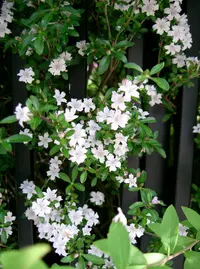
Buchozia japonica, often grown as a compact ornamental shrub or small tree, is valued for its neat foliage and fragrant white flowers. It is typically used in warm-climate gardens, containers, or as a clipped hedge or patio specimen.
In its natural range in East Asia, it grows in mild, frost-free conditions and develops a dense, branching habit with small, glossy leaves. Flowers appear in clusters and are followed by small fruits, which add seasonal interest.
The plant prefers bright light, moderate moisture, and well-drained soil, which helps explain how to care for Buchozia japonica in typical home gardens or outdoor containers.

Care Difficulty
Moderate Care

Light Preference
Partial Sun

Water Requirements
Moderate Water

Temperature Preference
Warm Climate

Hardiness Zone
9–11

Soil Texture
Sandy, Loamy, Organic-rich

Soil pH
Acidic (5.5–6.5), Slightly acidic (6.5–7.0)

Soil Drainage
Well-drained

Fertilization
Light (every 4–6 weeks)
Scan your plant to receive care tips personalized for your specific plant
Available on iOS and Android
This shrub prefers bright conditions with protection from harsh midday sun.
This plant prefers evenly moist, well-drained soil that never stays soggy.
This species grows best in mild, frost-free conditions.
This shrub prefers moderate humidity and reacts if air is too dry for long periods.
This species needs a freely draining, airy mix that stays slightly moist but never waterlogged.
This plant is well suited to container culture when the pot supports its woody root system and branching crown.
Moderate feeding supports compact growth and reliable flowering for Buchozia japonica.
Thoughtful pruning keeps Buchozia japonica dense, flowering well, and suited to its space.
Container-grown Buchozia japonica benefits from occasional repotting to maintain root health and growth.
New Buchozia japonica plants are most often produced from semi-ripe cuttings under warm, humid conditions.
This subtropical shrub is frost sensitive and needs planned winter care in cool climates.

Plant Health Check
Not sure what's wrong with your plant? Check your plant's health inside the app.
This species is native to coastal regions of eastern Australia, where it naturally grows as a small tree or shrub in warm, frost-free habitats influenced by sea air and mild winters.
The small white star-shaped flowers release a strong, sweet fragrance, especially in the evening, which attracts night-active pollinators in its native range.
Its small glossy leaves, fine branching, and ability to re-sprout after pruning have made it a long-used species for bonsai and clipped patio standards in horticulture.

In many regions this plant is still widely traded and grown under its long-established horticultural synonym Murraya paniculata, so scientific publications, plant labels, and care guides often use different names for the same species.
Lack of flowers usually comes from insufficient light, heavy pruning at the wrong time, or excess nitrogen fertilizer. Ensure bright conditions, avoid cutting new shoots before flowering, and use a balanced fertilizer to support blooming.
Keep your plants happy and healthy with plant identification, disease detection, and easy care guidance.