Psilocybe weraroa Care

Psilocybe weraroa

About Psilocybe weraroa

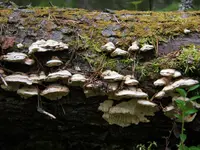
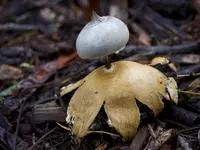
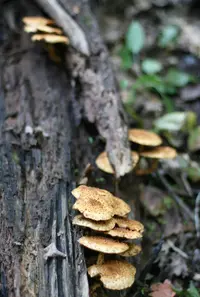
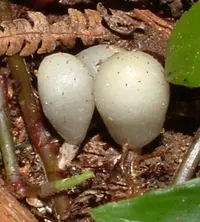
Psilocybe weraroa is not a typical garden plant but a pouch-forming mushroom, once common in certain native forests of New Zealand. It grows from decaying wood or rich forest litter, forming small, closed, whitish to tan fruiting bodies rather than classic umbrella-shaped caps.

This fungus prefers cool, damp, shaded habitats, which makes it difficult to cultivate reliably at home. Its growth depends on specific wood-based substrates, steady moisture, and clean, stable conditions that are hard to reproduce without experience.

Because of these narrow habitat needs and legal restrictions in many regions, most people should not attempt to care for Psilocybe weraroa at home or outdoors.

Main Plant Requirements

Care Difficulty

Hard Care

Light Preference

Shade

Water Requirements

Keep Soil Moist

Temperature Preference

Cool Climate

Hardiness Zone

Unknown

Soil Texture

Organic-rich, Loamy

Soil pH

Acidic (5.5–6.5)

Soil Drainage

Moist but well-drained

Fertilization

Minimal (feed rarely)

Get Personalized Care Plan

Scan your plant to receive care tips personalized for your specific plant

Available on iOS and Android

How to Care for the Psilocybe weraroa

This species needs low, indirect light that mimics a shaded forest floor.

  • Provide full shade to deep dappled shade, with no more than 1–2 hours of weak early-morning sun filtering through trees or structures.
  • Avoid direct midday and afternoon sun, which can dry the substrate surface, overheat mycelium, and inhibit reliable fruiting.
  • Site Psilocybe weraroa under dense shrubs, logs, or leaf litter where light levels stay consistently low across seasons.

Moisture must stay consistently high around the substrate without becoming waterlogged.

  • Maintain evenly moist conditions in woody debris or leaf litter; the surface should feel damp but not have standing water or a sour smell.
  • Increase watering or misting frequency during warm, dry weather so the top 1–2 cm do not fully dry, especially in windy or exposed spots.
  • Reduce supplemental moisture in cool, wet seasons to prevent anaerobic conditions, mold growth, and rotting of the supporting organic material.

This fungus prefers cool, stable conditions typical of shaded forest habitats.

  • Aim for an active growth range around 50–64°F (10–18°C), with fruiting often strongest toward the cooler end when moisture is high.
  • Protect colonized substrate from frost below 32°F (0°C), which can damage exposed mycelium, especially in shallow or disturbed layers.
  • Limit heat exposure above roughly 75°F (24°C), since prolonged warmth combined with dryness can stall growth and sharply reduce fruiting.

This fungus needs very high, stable humidity to form healthy fruiting bodies.

  • Maintain 85–95% humidity using a tent, monotub, or fruiting chamber with limited fresh air exchange.
  • Watch for shriveling caps, cracked surfaces, or stalled growth as signs humidity is too low or fluctuating.
  • Increase humidity with frequent fine misting of chamber walls and use of moist perlite or a humidifier, avoiding direct spraying of Psilocybe weraroa.

Psilocybe weraroa grows on nutrient-rich woody debris rather than true soil, so substrate structure and aeration are critical.

  • Use a pasteurized mix based on hardwood chips or sawdust blended with 20–40% well-aged compost or manure for nutrition.
  • Ensure the substrate drains freely but stays evenly moist, never waterlogged, by avoiding dense garden soil or heavy clay.
  • Aim for slightly acidic to neutral conditions, around pH 5.5–7.0, which favor mycelial colonization and reduce competitor growth.
  • Improve aeration by mixing in coarse wood chips or vermiculite so the mycelium can spread without anaerobic, sour-smelling pockets.

This species can be grown in containers if substrate depth and humidity control are carefully managed.

  • Choose a wide, moderately deep tub to allow a broad substrate surface, which supports more fruiting points and easier humidity control.
  • Drill side and lid holes for adjustable fresh air exchange rather than relying only on top openings, then cover with micropore tape to fine-tune airflow.
  • Use an opaque or translucent container to limit direct light on the substrate while still allowing enough ambient light to guide fruiting direction.

This fungus is adapted to low-nutrient forest litter and typically does not need added fertilizer in cultivation.

  • If growing Psilocybe weraroa in a controlled setting, rely on a well-formulated substrate rather than ongoing liquid or granular fertilizer.
  • Use a balanced, pre-enriched compost or substrate with modest nutrient content, avoiding rich manures or high-salt chemical products.
  • Do not feed during cooler, inactive periods; excess nutrients can disrupt normal growth and encourage contamination.
  • If supplemental nutrition is unavoidable, apply a very dilute, balanced NPK solution (about 1/4 strength) sparingly and monitor for stress.

Pruning is generally not applicable, since this species is a fungus and not a woody or leafy plant.

Transplanting focuses on moving colonized substrate carefully rather than handling a conventional root system.

  • Transplant only when mycelium has fully colonized the substrate and growth slows or space becomes limiting.
  • Time moves or transfers for mild conditions, avoiding temperature extremes that stress fungal tissue.
  • Gently transfer colonized substrate to a fresh, compatible medium without breaking it apart more than necessary.
  • Maintain stable moisture and indirect light after moving, minimizing disturbance until normal growth resumes.

Propagation relies on fungal methods rather than typical plant techniques such as cuttings or seeds.

  • The most controlled method is using clean spore prints or tissue cultures started on sterile media.
  • Once established, transfer clean mycelium to a nutritious, pasteurized or sterilized substrate for expansion.
  • Maintain stable warmth, moderate humidity, and good gas exchange to support colonization and reduce contamination risk.
  • Handle all tools and containers with strong hygiene practices to maintain healthy, uncontaminated growth.

Cold management centers on substrate temperature rather than foliage or woody stems.

  • This fungus is sensitive to hard frost, so avoid freezing of colonized substrate or culture containers.
  • In cool climates, grow Psilocybe weraroa in sheltered or indoor setups where temperatures stay above freezing.
  • If outdoors in mild regions, keep containers in a protected, frost-free spot and avoid waterlogged conditions.

Care Tips

Use breathable containers

Choose plastic tubs or bags that allow for filtered air exchange through micropore tape or synthetic filter discs to prevent carbon dioxide buildup and reduce contamination risk when growing Psilocybe weraroa.

Control surface moisture

Maintain the substrate surface as evenly moist but not shiny-wet by misting the walls of the container instead of directly spraying the developing fruit bodies, which helps avoid bacterial blotch and malformed caps.

Optimize fresh air exchange

Fan or briefly open the fruiting chamber 2–4 times per day in a clean environment to refresh the air and encourage proper stem development while still retaining high humidity.

Pre-pasteurize bulk substrate

Heat bulk substrates such as manure or straw to 60–70°C for 60–90 minutes instead of fully sterilizing, which suppresses competitor organisms while preserving beneficial microbes that help stabilize the substrate ecology.

Implement strict tool hygiene

Disinfect knives, scalpels, and any cutting tools with 70% isopropyl alcohol before harvesting or trimming mycelium-covered surfaces to lower the chance of introducing molds or bacteria into the culture during Psilocybe weraroa care.

Common Pests and Diseases

Green mold

This disease is caused mainly by Trichoderma species that aggressively colonize the substrate and outcompete the mycelium. Symptoms include bright to dark green patches on the casing or substrate and stalled mushroom development.

Solution

Immediately isolate and discard heavily contaminated trays or blocks, as spores spread easily in the grow area. For mild, early patches, remove affected substrate with a clean tool, reduce excess moisture, increase fresh air exchange, and thoroughly clean the fruiting space and equipment with a 3–10% bleach solution or 70% isopropyl alcohol before starting a new batch.

Cobweb mold

This disease is caused by fast-growing Cladobotryum species that form wispy, gray to light white, cobweb-like growth over the substrate and developing mushrooms. Symptoms include rapid spread, a matted appearance, and sometimes a sour or musty smell.

Solution

At first signs, improve fresh air exchange and reduce humidity slightly to slow spread, then spot-treat the affected area with a light mist of 3% hydrogen peroxide, which will fizz on contact. Discard badly affected cultures, clean the growing area thoroughly, and review sterile technique and air filtration to prevent recurrence when growing Psilocybe weraroa.

Mushroom flies

These insects, including fungus gnats and sciarid flies, are attracted to damp, nutrient-rich mushroom substrates. This pest lays eggs in the substrate; larvae then feed on mycelium and developing primordia, causing poor yields and deformed mushrooms.

Solution

Use fine mesh screens and sticky traps around the grow area, and avoid leaving open, wet substrate exposed for long periods. Discard heavily infested trays, allow surfaces to dry slightly between misting, and, if necessary, apply a biological control such as Bacillus thuringiensis israelensis (Bti) according to label directions to target larvae in the substrate.

Bacterial blotch

This disease is typically caused by Pseudomonas bacteria that thrive on continuously wet mushroom surfaces and poorly ventilated rooms. Symptoms include yellow to brown, greasy spots on caps, soft tissue, and a persistent unpleasant odor.

Solution

Reduce cap wetness by using finer misting, avoiding large water droplets, and allowing a drying period with good fresh air exchange after each mist. Remove and discard blotched mushrooms, lower humidity slightly, improve airflow, and sanitize tools, water sources, and surfaces between flushes to limit bacterial spread.

Interesting Facts

Unusual pouch-like fruiting

This species forms a closed, pouch-shaped fruiting body rather than the typical cap-and-stem mushroom, with the spore-bearing surface enclosed inside the pouch and only released through a small opening as it matures.

New Zealand endemic lineage

It is native and apparently restricted to New Zealand forests, where it typically fruits on decaying wood or woody debris, often among leaf litter in moist, shaded habitats.

Taxonomic reclassification history

Originally described under the genus Weraroa because of its odd pouch form, molecular DNA studies later showed it belongs within Psilocybe, highlighting how genetic data can overturn classifications based only on shape.

Botan icon

Did you know?

The species is widely regarded as a secotioid form, meaning it likely evolved its closed, pouch-like fruiting structure from a typical cap-and-stem ancestor, an example of how fungi can adapt their reproductive structures to different microclimates and dispersal conditions.

FAQs about Psilocybe weraroa

This species is a psychoactive mushroom containing psilocybin, not a culinary edible. Consumption can cause intense psychological effects and is illegal in many regions. Identification errors with similar-looking toxic fungi add serious safety risks.

Grow Healthy Plants with Botan Care

Keep your plants happy and healthy with plant identification, disease detection, and easy care guidance.

Botan plant care app — identify plants on mobile

Explore More Plants