Clathrus crispatus Care

Clathrus crispatus

About Clathrus crispatus

Clathrus crispatus is a saprobic fungus, not a leafy houseplant. It grows from underground egg-like structures and develops a bright, lattice-like fruiting body with a distinct odor. This smell attracts flies that help spread its spores.

It is typically found in warm to subtropical regions, often in mulch, rich organic debris, or disturbed soil. The species is more a curiosity than a garden feature and is not commonly cultivated on purpose.

Those who want to care for Clathrus crispatus mainly focus on maintaining consistently moist, organic-rich substrates outdoors. It is best treated as a temporary, naturally occurring fungal guest rather than a long-term ornamental specimen.

Main Plant Requirements

Care Difficulty

Moderate Care

Light Preference

Partial Shade

Water Requirements

Keep Soil Moist

Temperature Preference

Warm Climate

Hardiness Zone

Unknown

Soil Texture

Loamy, Silty, Organic-rich

Soil pH

Slightly acidic (6.5–7.0)

Soil Drainage

Moist but well-drained

Fertilization

Minimal (feed rarely)

Get Personalized Care Plan

Scan your plant to receive care tips personalized for your specific plant

Available on iOS and Android

How to Care for the Clathrus crispatus

This fungus develops from an underground egg stage, so surface light mainly affects surrounding soil and humidity rather than direct tissue.

  • Site in bright shade or dappled light under shrubs or low tree canopy; 1–3 hours of weak morning sun is acceptable but avoid direct midday sun.
  • Tolerates partial shade and even quite dim woodland light, but deep, dense shade can limit fruiting and reduce the number of visible structures.
  • In hotter summers, protect from strong afternoon sun that can dry the top 5–8 cm of soil too quickly, disrupting the moist conditions needed for development.

Moist, well‑drained soil is critical for consistent fruiting and healthy mycelium growth.

  • Maintain evenly moist ground, allowing the top 2–4 cm to begin drying slightly between natural rains or supplemental watering, especially in sandy or fast‑draining soils.
  • Use watering to mimic woodland conditions: deep, less frequent soakings rather than light, daily sprinkling, which encourages shallow surface drying and uneven moisture.
  • Reduce supplemental watering in cool or wet seasons to avoid waterlogged soil, which can cause anaerobic (low‑oxygen) pockets and limit Clathrus crispatus development.

This species prefers mild, consistently cool to warm conditions typical of many temperate woodlands.

  • Optimal fruiting generally occurs around 55–75°F (13–24°C), when soil stays moist but not cold and saturated for long periods.
  • Structures may tolerate down to about 35–40°F (2–4°C), but persistent frost or frozen soil halts activity until conditions warm again.
  • In hot spells above 85°F (29°C), maintain shaded, moist soil, as prolonged heat and drying of the upper soil layer greatly reduce visible fruiting.

This species does not have demanding humidity needs and copes well in typical outdoor conditions.

  • Target ambient humidity around 40–60% when cultivating Clathrus crispatus in sheltered or managed settings.
  • It tolerates short dry spells, but prolonged very dry air can slow fruiting and shrink developing bodies.
  • Humidity stress shows as aborted or misshapen fruiting structures; use localized misting or a moisture-retentive mulch layer to raise humidity near the substrate.

This fungus prefers consistently moist, well-aerated, organic-rich ground rather than compacted mineral soil.

  • Use a loose mix built from leaf mold, compost, and shredded bark to mimic decaying woodland litter and support growing Clathrus crispatus.
  • Ensure rapid drainage so water moves through within a few seconds, preventing waterlogging that can suppress fungal mycelium.
  • Aim for slightly acidic to neutral conditions, roughly pH 6.0–7.0, by combining compost with unlimed bark-based material.
  • Avoid heavily compacted clay, sterilized potting substrates, or very sandy soils with low organic matter, as these limit nutrient availability and mycelial spread.

This species is not well suited to long-term container growing, but short-term culture in tubs or trays is possible for observation.

  • Choose a wide, shallow, sturdy container that allows lateral spread of colonized substrate rather than deep rooting volume.
  • Drill extra side drainage openings just above the base so brief surges of water escape without saturating the entire substrate layer.
  • Use an outer catch tray only temporarily after watering, then empty it promptly to keep the fungal substrate from remaining waterlogged.

This saprobic fungus obtains nutrients from decaying organic matter and usually needs no additional fertilizer when grown in the ground.

Clathrus crispatus does not require conventional pruning, but minor hygiene work can keep its habitat tidy and reduce spore spread near high-traffic areas.

  • Remove spent fruiting bodies with disposable gloves or tools once they collapse, especially near entries, patios, or play areas.
  • Place removed tissue in a sealed bag and discard with trash rather than composting to limit local spore redistribution.
  • Avoid disturbing the underlying soil or mycelium network, which is the true body of the fungus and supports decomposition.

This fungus is seldom grown in containers; management focuses on relocating colonized substrate rather than repotting individual fruiting bodies.

  • Transplant only if the fungus appears in unsuitable locations such as near air intakes or sensitive outdoor seating areas.
  • Time any move for cool, moist weather to reduce drying of the colonized mulch or soil and improve survival of the mycelium.
  • Lift and relocate chunks of colonized organic material with minimal breakage, then re-bury at the same depth in a similar, humus-rich spot.
  • Water the new site lightly after moving the material, then maintain moderate moisture to help the mycelium re-establish.

Clathrus crispatus spreads mainly through spores, so purposeful propagation is uncommon outside specialized fungal cultivation.

This saprobic fungus is generally cold tolerant in its suitable climate range and needs no special winter care once established outdoors.

Care Tips

Controlled spore habitat

Place colonized substrate in a shallow tray set on top of existing mulch or leaf litter outdoors so the fungus can disperse spores naturally into a broader area without disturbing nearby plant roots.

Dedicated decomposition zone

Establish a small, isolated patch of coarse woody debris, chipped branches, and well-rotted compost where the fungus can feed and fruit, rather than mixing its substrate throughout ornamental beds.

Odor management strategy

Site the culture downwind and at least 15–20 ft from seating areas or open windows, and time any outdoor gatherings outside the usual fruiting period to minimize odor impact when caring for Clathrus crispatus.

Hygienic handling practice

When fruiting bodies collapse, remove the slimy remains with gloved hands or a dedicated trowel and dispose of them in sealed bags to reduce nuisance flies and limit accidental spread to unwanted areas.

Targeted introduction method

To introduce the fungus to a new bed, bury small pieces of colonized substrate 2–5 cm deep under coarse mulch in just a few test spots first, then expand only if establishment and odor levels are acceptable.

Common Pests and Diseases

Fungus gnat larvae

This pest targets the moist organic substrate where the fungus develops, and larvae can tunnel through young fruiting bodies, causing distortion and collapse. Adults are small flying insects often seen around very damp culture containers or trays.

Solution

Reduce surface moisture between waterings of the substrate, use fine mesh or covers on culture containers, and apply a biological control containing Bacillus thuringiensis israelensis (Bti) to the growing medium to suppress larvae. Remove and discard heavily damaged fruiting bodies and spent substrate to reduce breeding sites.

Mite infestation

These insects are actually tiny arachnids that feed on fungal tissues, leaving pitted, rough, or discolored areas on the developing fruiting bodies. Symptoms include slow or misshapen growth and a dusty or speckled appearance on close inspection.

Solution

Isolate affected cultures, increase ventilation, and gently rinse visible mites from surfaces with clean water if the setup allows. For persistent problems in cultivation, introduce predatory mites suited to fungus-growing environments and keep culture areas clean and free of decaying waste that can harbor large mite populations.

Bacterial soft rot

This disease causes rapid softening, water-soaked patches, and a slimy texture in the fruiting body, often accompanied by an unusually foul, sour odor beyond the normal smell of this stinkhorn. Symptoms include quick collapse and liquefaction of affected structures, especially in overly wet, stagnant conditions.

Solution

Discard affected fruiting bodies and surrounding substrate promptly, and clean any reusable containers or tools with a disinfectant. Improve drainage and airflow around cultures, avoid over-saturating the medium, and reduce splashing water that can spread bacteria between specimens as part of general Clathrus crispatus care instructions.

Competitive mold overgrowth

This disease occurs when fast-growing molds colonize the same substrate, covering developing stinkhorn structures with white, green, or gray fuzzy growth. Symptoms include stunted or failed fruiting and visible mold mats on the surface of the culture medium.

Solution

Remove and discard heavily contaminated substrate and containers rather than trying to rescue them. When restarting cultures, sterilize or pasteurize the new substrate, work as cleanly as possible, maintain good air exchange without direct drafts, and promptly cull any sections that show early mold growth to protect remaining cultures.

Interesting Facts

Distinct lattice morphology

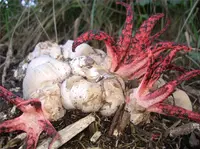
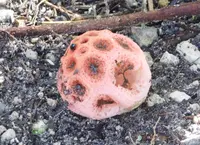
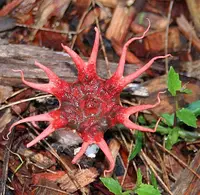
Clathrus crispatus forms a whitish to pale pink, somewhat flattened cage-like fruit body with a distinctly crisped, wrinkled lattice surface, which helps distinguish it from other Clathrus species with smoother or more evenly rounded arms.

Strong carrion odor

The mature cage becomes coated with a dark olive-brown spore slime that emits a pronounced carrion-like smell, attracting blowflies and other insects that spread its spores after contact with the sticky gleba.

Soil and mulch decomposer

This species is a saprotroph, meaning it feeds on dead organic matter, and is often found in rich soil, garden beds, compost, or woodchip mulch where it contributes to the breakdown of plant debris.

FAQs about Clathrus crispatus

This fungus spreads by releasing spores from its lattice-like fruiting body. It is usually short-lived and localized, appearing where organic debris is rich. It does not typically behave as an aggressively spreading or smothering species.

Grow Healthy Plants with Botan Care

Keep your plants happy and healthy with plant identification, disease detection, and easy care guidance.

Botan plant care app — identify plants on mobile

Explore More Plants