Asterodon ferruginosus Care

Asterodon ferruginosus

About Asterodon ferruginosus

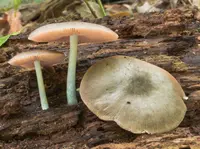
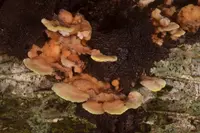
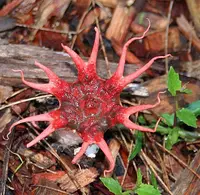
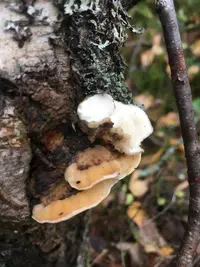
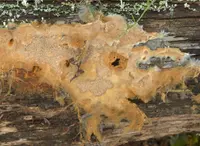
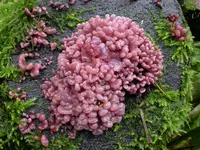
Asterodon ferruginosus is a lesser-known terrestrial fungus-like plant form, typically found on decaying wood or forest debris in humid, shaded habitats. It tends to form low, crust-like or patchy growths rather than upright stems or foliage.

In nature it is usually recorded from warm to temperate forested regions, where moisture and organic matter are consistently available. Its specialized growth habits and reliance on decaying substrates mean it is not a straightforward subject for casual cultivation, and care for Asterodon ferruginosus is usually of interest mainly to specialists or collectors.

It generally prefers cool to mild temperatures, stable humidity, and consistently damp but not waterlogged conditions with abundant decomposing wood or similar organic material.

Main Plant Requirements

Care Difficulty

Moderate Care

Light Preference

Partial Shade

Water Requirements

Moderate Water

Temperature Preference

Warm Climate

Hardiness Zone

Unknown

Soil Texture

Loamy

Soil pH

Slightly acidic (6.5–7.0)

Soil Drainage

Well-drained

Fertilization

Minimal (feed rarely)

Get Personalized Care Plan

Scan your plant to receive care tips personalized for your specific plant

Available on iOS and Android

How to Care for the Asterodon ferruginosus

This species prefers bright, indirect light with limited direct sun exposure.

  • Provide 4–6 hours of bright, filtered light daily, with gentle morning sun and shade or dappled light from late morning through afternoon.
  • Allow light partial shade, especially in hotter climates; growth may be slower but foliage usually remains healthy if some indirect light reaches the plant.
  • Protect Asterodon ferruginosus from harsh midday sun, which can cause leaf scorch, and avoid deep shade that leads to weak, elongated growth.

This plant prefers evenly moist but not saturated soil.

  • Water when the top 3–5 cm of soil feels dry, using a slow soak so moisture reaches the root zone without leaving water standing around the crown.
  • In spring and summer, expect to water more often as growth and evaporation increase; in fall and winter, extend intervals as growth slows and soil stays moist longer.
  • Ensure free-draining soil and watch for yellowing, soft leaves as a sign of overwatering, or drooping, dry-edged leaves as an indication of underwatering in Asterodon ferruginosus.

Stable, moderate temperatures support healthy growth and reduce stress for this species.

  • Aim for an active growth range of 65–80°F (18–27°C), where metabolic processes and root activity stay steady without excessive stress.
  • Protect the plant from cold below about 40°F (4°C), as tissue damage and root injury increase sharply near freezing, especially during sudden cold snaps.
  • In hot periods above 90°F (32°C), provide extra shade and soil moisture, since prolonged extreme heat combined with dry soil can cause leaf scorch and stalled growth.

This species prefers moderately humid air but usually copes with typical indoor conditions.

  • Aim for 50–60% humidity to keep foliage firm and minimize stress.
  • Tolerates short periods at 30–40%, but leaf edges may brown and tips crisp if air stays very dry.
  • Increase humidity with a nearby tray of water and stones or a room humidifier rather than misting Asterodon ferruginosus directly.

This plant grows best in loose, airy, well-drained soil that does not stay wet for long.

  • Use a mix of 50–60% peat- or coir-based potting soil, 20–30% perlite, and 10–20% fine bark for structure and drainage.
  • Aim for slightly acidic to neutral pH, around 6.0–7.0, to support balanced nutrient uptake.
  • Ensure the mix is crumbly and never compacted; incorporate perlite or pumice to improve aeration around fine roots.
  • Avoid heavy clay, waterlogged spots, or dense mixes rich in unamended garden soil that encourage root rot.

This species adapts well to container growing when given a stable, well-drained setup.

  • Choose a pot slightly deeper than wide to give anchoring space for its typically downward-penetrating roots.
  • Select a heavier material like ceramic or clay if growth becomes top-heavy, to reduce tipping in wind or accidental bumps.
  • Set the container on feet or pot risers so drainage holes stay clear and excess water can leave the root zone quickly.

This species is usually adapted to low-nutrient sites, so Asterodon ferruginosus needs only modest, targeted feeding in cultivation.

  • Use a balanced, dilute liquid fertilizer (around 10-10-10) at 1/2–1/4 strength during active spring–summer growth if foliage looks pale or growth is weak.
  • Apply a light top-dressing of compost once each spring to improve soil structure rather than to push rapid growth.
  • Avoid frequent feeding on plants in the ground; container-grown specimens benefit from a slow-release fertilizer once per growing season.
  • Stop fertilizing in fall and winter to prevent soft, cold-sensitive growth and allow natural dormancy.

Pruning is mainly used to maintain structure and remove problem material rather than to control size aggressively in Asterodon ferruginosus.

  • Carry out light pruning in late winter or very early spring before new growth starts, when branch structure is easy to see.
  • Remove dead, diseased, or damaged stems first, cutting back to healthy wood with clean, sharp bypass pruners or loppers.
  • Thin congested interior shoots to improve light and air flow, keeping the natural form rather than creating hard geometric shapes.
  • Limit cuts on older wood to avoid stress; several small cuts over multiple years are safer than one heavy renovation.

This species is more often grown in the ground, so focus on careful transplanting and only short-term container culture.

  • Plan transplanting for early spring or early fall when temperatures are mild and soil moisture is reliable.
  • Move plants when they show slow growth, frequent wilting, or roots circling the pot drainage holes if container-grown.
  • Lift with as much intact root ball as possible, keep roots shaded and moist, and replant at the same soil depth in a prepared hole.
  • Water deeply after planting, mulch 5–8 cm around (not against) the stem, and reduce above-ground stress by avoiding heavy pruning at the same time.

Propagation of Asterodon ferruginosus is usually done by seed and is considered moderately slow but manageable for patient growers.

  • Collect ripe seed from healthy plants, clean and dry it briefly, then sow in a free-draining, sterile mix.
  • Provide a cool stratification period if recommended by regional seed sources, as some woodland species need cold to break dormancy.
  • Sow in late winter to early spring, keeping the medium just moist and temperatures in a stable, moderate range.
  • Label trays clearly, as germination may be uneven and extend over many weeks or even months.

This species is generally cold hardy in its suitable outdoor zones and needs only basic winter care once established.

  • Young or newly transplanted plants benefit from a 5–8 cm mulch layer to buffer freeze–thaw cycles around the root zone.
  • Ensure soil drains well, since waterlogged conditions in winter increase root rot risk more than low temperatures alone.
  • Container-grown specimens in colder regions can be moved to a sheltered, unheated but frost-free spot to reduce root freezing stress.

Care Tips

Rotate container

Rotate the pot 90° every 2–3 weeks so stems develop evenly and do not lean strongly toward the light, which helps maintain a balanced, compact habit when growing Asterodon ferruginosus.

Use airy top-dressing

Apply a thin layer of fine bark or inorganic grit on the soil surface to keep basal stems dry, reduce algae and fungus gnat issues, and stabilize the plant without blocking gas exchange.

Periodic root inspection

Gently slide the plant from its pot once or twice a year to check for circling roots or sour, compacted mix and repot promptly if roots form a dense ring at the container edge.

Targeted pest scouting

Inspect the undersides of leaves, petiole bases, and any tight crevices every 1–2 weeks with a hand lens so early mealybug or scale infestations are detected and treated before they spread.

Seasonal light shift

Move the plant slightly closer to the brightest window in autumn and winter, then back a little in late spring, to compensate for seasonal light changes without exposing it to harsh summer sun.

Common Pests and Diseases

Scale insects

These insects attach firmly to fronds and rachises, sucking sap and causing yellowing patches, slow growth, and sticky honeydew on nearby surfaces.

Solution

Remove heavily infested frond sections and wipe remaining colonies with cotton pads dipped in 70% isopropyl alcohol, then rinse with water; for larger plants, use a light horticultural oil spray directed into leaflet bases and repeat at 7–10 day intervals, ensuring good air movement so fronds dry quickly afterward.

Fern aphids

This pest colonizes young unfurling fronds and fertile structures, leading to distorted new growth and fine sticky residues that attract sooty mold on the lower leaf surfaces.

Solution

Dislodge colonies with a firm stream of water, then treat remaining clusters on new fronds with an insecticidal soap, applied in the early morning and repeated weekly until new growth appears clean, avoiding treatment during hot, direct-sun periods to prevent leaflet burn.

Rhizoctonia leaflet blight

This disease produces irregular brown lesions that start along the lower pinnae and spread along the midrib, eventually causing premature leaflet drop in humid, stagnant conditions.

Solution

Remove and discard affected fronds, increase spacing and airflow around the plant, keep irrigation at the substrate level only, and, if spread continues, apply a contact fungicide labeled for foliar blights on ferns, focusing on the lower canopy where humidity is highest.

Cercospora leaf spot

Symptoms include small, dark circular to elongated spots with pale centers on older fronds, which can merge into larger necrotic areas under prolonged leaf wetness.

Solution

Cut away the most spotted fronds, avoid overhead watering, allow fronds to dry quickly after any wetting, and use a preventive copper-based fungicide or other fern-safe foliar fungicide on remaining foliage when environmental conditions stay humid for several days.

Nematode-induced root decline

This disease leads to patchy stunting, reduced frond size, and a sparse, browned feeder root system, especially in repeatedly used or poorly sanitized substrates.

Solution

Discard heavily affected plants and growing media, switch to fresh, pasteurized substrate, use only clean pots and tools, and in collections where growing Asterodon ferruginosus is planned long term, rotate planting sites or containers and introduce new stock only from reputable, nematode-monitored sources.

Interesting Facts

Information not established

Current mycological and botanical literature does not provide reliable, species‑level ecological or morphological details for Asterodon ferruginosus, so no specific facts can be stated with confidence.

Data quality limitation

This name appears in taxonomic databases, but there is insufficient peer‑reviewed information to distinguish its biology, habitat, or interactions from related taxa without risk of speculation.

FAQs about Asterodon ferruginosus

This species is usually more robust outdoors in a sheltered, bright location that mimics its native habitat. Indoors it can be grown successfully if light, humidity, and airflow are carefully controlled, following general Asterodon ferruginosus care instructions.

Grow Healthy Plants with Botan Care

Keep your plants happy and healthy with plant identification, disease detection, and easy care guidance.

Botan plant care app — identify plants on mobile

Explore More Plants