Ganoderma lobatum Care

Ganoderma lobatum

About Ganoderma lobatum

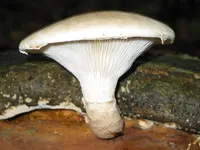
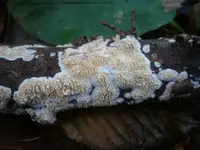
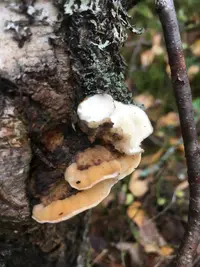
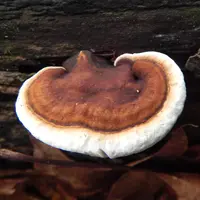
Ganoderma lobatum is a wood-decaying polypore fungus, not a typical leafy plant. It forms shelf-like, lobed brackets on dead or weakened hardwoods, often in overlapping tiers. The upper surface is usually brown and leathery, while the pore surface underneath is pale and finely textured. This species occurs mainly in temperate regions, where it contributes to the breakdown of woody debris and nutrient cycling in forests. It is not commonly grown in home settings, since it needs dead wood rather than potting soil and does not respond to normal houseplant conditions. Anyone wanting to care for Ganoderma lobatum usually works with logs or stumps and accepts that it is specialized and slow to establish.

Main Plant Requirements

Care Difficulty

Moderate Care

Light Preference

Partial Shade

Water Requirements

Regular Water

Temperature Preference

Warm Climate

Hardiness Zone

Unknown

Soil Texture

Loamy, Silty, Organic-rich

Soil pH

Acidic (5.5–6.5)

Soil Drainage

Moist but well-drained

Fertilization

Minimal (feed rarely)

Get Personalized Care Plan

Scan your plant to receive care tips personalized for your specific plant

Available on iOS and Android

How to Care for the Ganoderma lobatum

This bracket fungus prefers shaded woodland conditions with only brief, gentle sun exposure.

  • Provide bright shade under trees or on the north or east side of structures, with no more than 1–2 hours of weak morning sun and no direct afternoon sun.
  • Select locations with dappled or filtered light where Ganoderma lobatum grows on logs or stumps, mimicking a forest understory canopy.
  • Limit strong summer sun; prolonged direct light dries the substrate, slows fruiting body development, and can cause pale, hardened surfaces.

Moist, never stagnant conditions around the woody substrate support healthy fruiting bodies.

  • Maintain consistently damp wood or mulch, allowing the surface to feel just slightly dry before re-wetting, rather than following a fixed calendar schedule.
  • Use well-drained, coarse organic material so excess water can run off; standing water encourages rot of the supporting wood rather than the fungus itself.
  • During hot, dry periods, mist or gently soak the log when it feels light and dry; dull, cracked brackets suggest dryness, while soft, sour-smelling tissue indicates excess moisture.

This species prefers mild, stable woodland temperatures with protection from extremes.

  • Aim for 60–80°F (16–27°C) as the main activity range, which favors steady mycelium growth and formation of fruiting bodies on wood.
  • Allow short dips to about 40°F (4°C), but protect from hard freezes below 32°F (0°C), which can damage exposed brackets, especially young ones.
  • In hot spells above 85°F (29°C), provide extra shade and moisture; prolonged heat and drying winds slow growth and can cause tough, brittle caps.

This wood-decaying fungus grows on logs or stumps and does not require active humidity management in typical outdoor conditions.

This bracket fungus naturally grows on dead or decaying hardwood rather than in soil, so soil preparation is generally not relevant.

  • Cultivation typically uses hardwood logs or sterilized sawdust blocks instead of mineral soil, providing a stable lignin-rich substrate.
  • If experimenting in a controlled setup, maintain a loose, well-aerated sawdust or woodchip mix that does not stay waterlogged.
  • Keep the substrate consistently moist but never saturated, since standing water quickly leads to bacterial contamination and rot.
  • Avoid ordinary potting mixes, heavy garden soil, or compacted media, as these do not mimic the woody habitat required by Ganoderma lobatum.

This species can be grown on logs or artificial substrate blocks placed in containers, mainly for controlled observation or cultivation.

  • Use a rigid, stable tray or tub that supports the weight of colonized logs or blocks and prevents tipping during fruiting.
  • Drill side ventilation holes above the moisture line to allow gas exchange while keeping the substrate surface from drying too quickly.
  • Elevate logs or blocks slightly on slats or bricks inside the container so excess water drains away from the fungal contact surface.

This wood-decaying bracket fungus usually grows on nutrient-rich hosts and needs little direct feeding in cultivation.

Ganoderma lobatum fruiting bodies are not pruned in the usual horticultural sense, and intervention is rarely needed.

In cultivation, Ganoderma lobatum is typically grown on logs or sterilized substrate blocks rather than in standard pots.

  • Transplant only when the substrate block or log is fully colonized and stable, to avoid breaking the mycelium network.
  • Move the colonized substrate gently into a new fruiting chamber or outdoor position with similar humidity and temperature.
  • Handle by supporting the entire block or log; avoid shaking or dropping it, which stresses the mycelium.
  • Limit moves to rare necessity, such as contamination risk or space management, rather than on a schedule.

This species is usually propagated by spores or cultured mycelium rather than by vegetative cuttings as in higher plants.

  • Use a clean spore print or commercial grain spawn started from a pure culture of G. lobatum.
  • Inoculate sterilized or pasteurized hardwood sawdust, chips, or logs in spring or early summer for steady colonization.
  • Maintain 70–80°F, high humidity, and low air movement during colonization to support strong mycelial growth.
  • Keep tools and materials as clean as possible to reduce contamination from molds and bacteria.

Outdoor colonies on logs in suitable climates are generally cold hardy and need minimal winter care.

  • In regions with severe freezes, place colonized logs in a sheltered, unheated shed or against a building wall.
  • Avoid waterlogged conditions; keep logs slightly elevated so melting snow drains away.
  • Container or bag cultures are best overwintered in a cool, frost-free space with steady humidity.

Care Tips

Sterilize Substrate

Before inoculation, pressure-cook or steam-sterilize hardwood sawdust or logs to reduce competing fungi, which improves colonization success when growing Ganoderma lobatum.

Log Orientation

Set inoculated logs on bricks or cinder blocks so they sit off bare soil with one end slightly tilted, which improves drainage and air flow while reducing contact with decay organisms that outcompete the mycelium.

Moisture Shielding

Use a breathable cover such as shade cloth or burlap over outdoor cultivation sites to buffer heavy rain and direct sun, maintaining stable surface moisture without waterlogging the developing fruit bodies.

Clean Tool Practice

Disinfect drill bits, inoculation tools, and cutting equipment with 70% isopropyl alcohol between logs or batches to reduce contamination by other fungi and bacteria.

Targeted Harvest Cuts

When harvesting, cut fruit bodies cleanly at the base with a sterilized knife and avoid tearing tissue, which lowers the risk of secondary infections at the wound site and supports continued production from the same substrate.

Common Pests and Diseases

Competing wood-decay fungi

This disease involves other wood-decay fungi colonizing the same log or stump and outcompeting the mycelium. Symptoms include poor or patchy Ganoderma lobatum fruiting, distorted brackets, or different-colored crusts and mushrooms emerging from the substrate.

Solution

Remove and discard any clearly different fungal fruiting bodies from the growing log or block, and if colonization is extensive, replace the substrate entirely. Use fresh, clean hardwood, maintain stable moisture without waterlogging, and keep culture spawn pure to support strong colonization and reduce competition when growing Ganoderma lobatum.

Green Trichoderma mold

This disease is caused by Trichoderma species that produce fast-spreading white mycelium that quickly turns green and powdery on the substrate surface. Symptoms include stalled Ganoderma growth, sour or earthy odors, and a dense green layer covering sawdust or grain.

Solution

Isolate and discard heavily contaminated blocks, and avoid opening them indoors to limit spore spread. For mild, localized patches, cut out affected areas, reduce excess moisture, improve air movement, and thoroughly disinfect tools and surfaces before starting a new batch of substrate.

Fungus gnats

These insects are small, dark flies whose larvae feed in moist substrates and on fungal mycelium. This pest can cause slow or deformed fruiting bodies and introduce secondary mold problems.

Solution

Reduce standing water, allow the upper substrate surface to dry slightly between misting, and use fine mesh screens or sticky traps to limit adult populations. In enclosed growing spaces, apply Bacillus thuringiensis israelensis (BTI) to the substrate as a targeted biological control against larvae while maintaining adequate humidity for normal fruiting.

Mite infestations

These insects are tiny arthropods that can graze on fungal mycelium and developing brackets. Symptoms include pale, roughened fruiting surfaces, very fine speckling, and visible moving dots under close inspection.

Solution

Lower excessive humidity and improve air circulation to make conditions less favorable for mites, and remove and discard heavily damaged fruiting bodies. Clean the growing area thoroughly, avoid storing old contaminated logs nearby, and if needed introduce predatory mites sourced for mushroom production rather than broad-spectrum chemical treatments.

Bacterial blotch

This disease occurs when bacteria proliferate on persistently wet fruiting surfaces. Symptoms include greasy, water-soaked spots, discoloration, and soft areas that may collapse or decay prematurely.

Solution

Avoid direct overhead watering on brackets, use fine misting aimed at the surrounding air or substrate, and maintain humidity around 80–90% with good airflow so surfaces dry between mists. Remove and discard affected fruiting bodies, and sanitize tools, trays, and shelving before starting new cycles to reduce bacterial carryover.

Interesting Facts

Lobed bracket shape

This wood-decay fungus produces fan-shaped brackets with distinct lobed and wavy margins, which is the feature reflected in the species name lobatum. The caps typically overlap in shelves on hardwood logs, forming irregular, tiered structures.

White-rot wood decay

Ganoderma lobatum is a white-rot fungus that breaks down both lignin and cellulose in hardwoods, leaving behind a pale, fibrous wood. This decomposition process is important in forests because it recycles nutrients and opens space for new plant growth.

Brown, double-zoned pores

The pore surface of this species turns brown and shows a characteristic double-zoned pattern under magnification, which helps distinguish it from related Ganoderma species. Its spores form a brown deposit that is often visible on leaves or wood beneath the fruiting bodies.

FAQs about Ganoderma lobatum

This bracket fungus is not considered a culinary mushroom. It is very tough and woody, so it is not eaten like common edible species. Any medicinal or supplemental use should only follow specialist guidance and reliable identification.

Grow Healthy Plants with Botan Care

Keep your plants happy and healthy with plant identification, disease detection, and easy care guidance.

Botan plant care app — identify plants on mobile

Explore More Plants