Antrodia ramentacea Care

Antrodia ramentacea

About Antrodia ramentacea

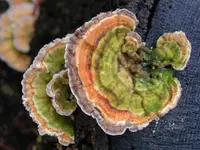
Antrodia ramentacea is a wood-decaying fungus rather than a typical leafy houseplant. It forms bracket-like, corky fruiting bodies on dead or dying conifer wood, often on stumps or fallen trunks. The surface is usually pale to tan with a pore-bearing underside.

This species occurs mainly in forested regions of East Asia, where it contributes to the breakdown of woody debris. Its need for specific host wood, stable humidity, and suitable temperature makes it difficult to cultivate in normal home conditions. For most home growers, how to care for Antrodia ramentacea is more about preserving suitable habitat outdoors than growing it in pots.

Main Plant Requirements

Care Difficulty

Moderate Care

Light Preference

Partial Shade

Water Requirements

Moderate Water

Temperature Preference

Warm Climate

Hardiness Zone

Unknown

Soil Texture

Loamy

Soil pH

Slightly acidic (6.5–7.0)

Soil Drainage

Well-drained

Fertilization

Minimal (feed rarely)

Get Personalized Care Plan

Scan your plant to receive care tips personalized for your specific plant

Available on iOS and Android

How to Care for the Antrodia ramentacea

This fungus prefers stable, filtered forest light rather than direct, open sun exposure.

  • Provide bright, dappled shade or filtered light equivalent to 2–4 hours of weak morning sun; avoid harsh midday and afternoon sun to prevent tissue desiccation.
  • Allow partial shade with low, indirect light, but if conditions are very dim, expect slower growth and paler fruiting bodies due to reduced photosynthesis.
  • In summer, shield Antrodia ramentacea from strong sun using canopy cover; in winter, thinner canopy or supplemental diffuse light can help maintain steady development.

Moist but not waterlogged conditions are essential for stable development of this wood-decaying fungus.

  • Maintain consistently moist surroundings; if cultivated on logs or substrate, surface should feel damp but not soggy, with no standing water around the base.
  • Allow the top 1–2 cm of any supporting substrate or casing layer to begin drying slightly before misting again, focusing on gentle, even moisture.
  • Reduce moisture input in cooler seasons to avoid stagnant, saturated conditions, watching for sour odors or slimy surfaces as signs of overwatering and shriveling as a sign of dehydration.

Stable, mild temperatures support reliable growth and fruiting for this species.

  • Aim for an optimal range of 65–77°F (18–25°C) during active growth, as this supports balanced mycelial activity and fruiting body formation.
  • Protect it from cold snaps below about 41°F (5°C), which can slow or halt growth and damage tissues, especially if exposure is prolonged and damp.
  • In hot periods above 82–86°F (28–30°C), increase shading and airflow, since combined heat and high humidity can stress the organism and encourage competing molds.

This wood-decaying fungus prefers consistently moist air and substrate rather than very dry conditions.

  • Aim for 60–80% humidity around Antrodia ramentacea when fruiting for stable development.
  • It tolerates brief dips to 40–50% but may show smaller, cracked fruiting bodies and slower growth.
  • Increase humidity with a covered but ventilated fruiting chamber, damp perlite trays, or frequent fine misting of the surrounding environment, not the fruiting bodies.

This species grows on decaying wood, so it requires a loose, well-aerated, wood-based substrate rather than typical garden soil.

  • Use a mix of hardwood sawdust and chipped wood with 10–20% wheat bran or similar supplement for structure and nutrients.
  • Keep the substrate free-draining yet evenly moist; excess standing water leads to anaerobic conditions and contamination.
  • Maintain a slightly acidic to neutral environment (roughly pH 5.5–7) by avoiding lime or strongly alkaline additives.
  • Improve aeration by not over-packing the substrate and by adding a small proportion of coarse wood chips to create air spaces.

This fungus can be managed in containers such as tubs or grow bags when the substrate and airflow are controlled carefully.

  • Choose rigid, shallow-to-medium depth containers so the wood-based substrate stays evenly hydrated without compacting deeply.
  • Drill or use built-in side holes, not just bottom drainage, to improve gas exchange while still retaining humidity.
  • Elevate containers on racks so air can move around them, reducing stagnant zones that favor mold over the intended mycelium.

This wood-inhabiting fungus is usually grown on nutrient-rich wood and needs little additional fertilization in culture.

Antrodia ramentacea does not require conventional pruning, but occasional hygiene work helps maintain healthy culture surfaces.

  • Remove dead, moldy, or contaminated fruiting bodies with clean tweezers or a sterile knife to limit disease spread.
  • Trim away heavily infected substrate blocks instead of spot-cutting to avoid leaving contaminated material behind.
  • Disinfect tools with alcohol before and after use to reduce cross-contamination between cultures.

This species is typically maintained on fixed wood or artificial substrate, so transplanting focuses on renewing exhausted material.

  • Monitor for very slow or stalled growth, dense mycelium with few new margins, or substrate collapse as cues to prepare new blocks.
  • Plan transfers in mild conditions, avoiding temperature extremes that stress mycelium during handling.
  • Cut or break small, actively growing mycelium sections and place them onto fresh, sterile substrate with similar moisture content.
  • Minimize exposure to open air, handle quickly and gently, and keep the new substrate evenly moist but not waterlogged after transfer.

Propagation of this fungus is specialized and usually carried out through controlled culture techniques rather than casual home methods.

Outdoor winter care is rarely relevant because this species is typically grown in controlled indoor culture rooms.

  • Keep cultures in a stable cool-to-moderate range, avoiding repeated freezing and thawing of substrate blocks.
  • Maintain moderate humidity and adequate air exchange to prevent condensation and secondary molds in cooler rooms.
  • For any outdoor logs, avoid waterlogged, icy conditions by placing them on well-drained racks or shelves.

Care Tips

Stable mounting surface

Secure the colony to a rigid, decay-resistant hardwood or synthetic block so the mycelium can form a stable, long-term structure without collapsing or drying at the edges.

Controlled air exchange

Provide gentle, continuous air movement using a small fan on low, aimed past rather than directly at the fruiting body, to limit bacterial growth and surface wetness while preventing stagnant air pockets.

Clean handling protocol

Use clean tools and disposable gloves when trimming or inspecting tissue, and disinfect blades with 70% isopropyl alcohol between cuts to reduce the risk of introducing molds or bacteria into the mycelium.

Targeted misting zone

If misting is needed, direct fine spray to the surrounding air and mounting surface rather than the fruiting body itself, which helps maintain local humidity without encouraging rot on the pore surface.

Structured inspection schedule

Inspect the underside and attachment points weekly with a flashlight for soft spots, discoloration, or off-odors, and remove affected tissue promptly so small infections do not spread throughout the structure when caring for Antrodia ramentacea.

Common Pests and Diseases

Bark-boring beetles

This pest targets the tough fruiting bodies and woody substrate, creating galleries that weaken the structure and invite secondary infections. Symptoms include small round exit holes, frass-like dust, and gradual decline of the colonized wood block or log.

Solution

Remove and discard heavily infested blocks or logs, and store remaining culture wood in a cool, well-ventilated area away from outdoor insect sources. For valuable cultures, physically scrape out affected tissue and switch to clean, sealed cultivation containers or bags to prevent further beetle entry when planning long-term Antrodia ramentacea care instructions.

Mite infestations

These insects are tiny arthropods that feed on developing mycelium and young fruiting bodies, slowing growth and causing malformed or stunted brackets. Symptoms include a dusty moving film on surfaces and uneven or patchy development of the fungal tissue.

Solution

Lower temperature slightly within the acceptable range for the species and increase air circulation, since many pest mites thrive in stagnant, warm conditions. Isolate and discard heavily infested cultures, then restart from clean spawn in filtered containers; thoroughly clean shelves and equipment with 70% alcohol or a dilute bleach solution to remove residual mites and eggs.

Green mold (Trichoderma)

This disease is caused by a competitive fungus that colonizes the substrate or fruiting surface, first appearing white and then turning bright or dull green. Symptoms include rapid overgrowth of the intended mycelium, a dusty spore layer, and a sharp earthy odor.

Solution

Promptly remove and bag contaminated substrates or blocks to avoid spreading spores, and disinfect nearby surfaces and tools with a dilute bleach solution. In future cycles, improve sterilization or pasteurization of substrate, reduce handling, and maintain good fresh air exchange to favor the slower but more resilient mycelium of A. ramentacea.

Bacterial blotch

This disease arises under overly wet, stagnant conditions on cultivated fruiting bodies, causing water-soaked, slimy, or darkened patches on the pore surface and edges. Symptoms include localized soft decay, off odors, and reduced quality of the medicinal tissue.

Solution

Reduce surface wetness by adjusting misting schedules, use finer mist, and increase ventilation so surfaces dry between cycles. Remove and discard affected fruiting bodies, then sanitize the growing area and tools; avoid direct water spray and condensation dripping onto the brackets to limit further bacterial infection.

Interesting Facts

Host-specialist crust fungus

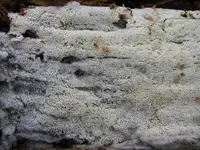
This species forms thin, effused fruiting bodies mainly on dead conifer wood, especially Abies and Picea, where it contributes to late-stage white-rot decomposition of lignin-rich tissues.

Distinct ramenta bristles

Its surface is characterized by conspicuous bristle-like structures called ramenta, which give the fruiting body a rough, shaggy appearance that helps distinguish it from smoother Antrodia species.

Microscopic pore structure

The hymenophore shows small, regular pores and a dimitic hyphal system, with both generative and skeletal hyphae, a combination used by mycologists to separate it from closely related taxa under the microscope.

FAQs about Antrodia ramentacea

This species can be grown in containers if the substrate stays evenly moist and well aerated. Use a breathable pot, such as plastic with ample holes, and refresh the woody substrate regularly to prevent compaction and nutrient depletion.

Grow Healthy Plants with Botan Care

Keep your plants happy and healthy with plant identification, disease detection, and easy care guidance.

Botan plant care app — identify plants on mobile

Explore More Plants