Veiled Oyster Care (Pleurotus dryinus)

Veiled Oyster

About Veiled Oyster

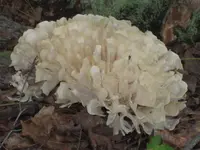
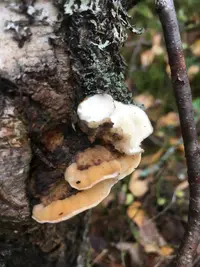
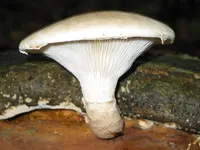
Veiled oyster (Pleurotus dryinus) is a wood-decaying mushroom, not a leafy houseplant. It forms thick, creamy to pale brown caps with a partial veil that can leave fragments on the stem. The gills run slightly down the stem and the texture is firmer than many other oyster mushrooms.

This species occurs naturally on dead or weakened hardwoods in temperate forests, especially in Europe and parts of North America. It is considered an edible fungus, but identification must be confident because some toxic species look similar.

For those who want to care for Veiled Oyster in a controlled setting, it usually prefers cool to mild conditions, steady moisture, good air exchange, and a clean, woody substrate.

Main Plant Requirements

Care Difficulty

Moderate Care

Light Preference

Partial Shade

Water Requirements

Keep Soil Moist

Temperature Preference

Cool Climate

Hardiness Zone

Unknown

Soil Texture

Organic-rich, Loamy

Soil pH

Acidic (5.5–6.5), Slightly acidic (6.5–7.0)

Soil Drainage

Moist but well-drained

Fertilization

Minimal (feed rarely)

Get Personalized Care Plan

Scan your plant to receive care tips personalized for your specific plant

Available on iOS and Android

How to Care for the Veiled Oyster

This wood-loving mushroom prefers dappled woodland-style light rather than full, open sun.

  • Provide bright shade or filtered light with 1–3 hours of gentle morning sun and protection from strong midday and afternoon sun.
  • Site Veiled Oyster on the north or east side of structures or under light tree canopy to mimic forest edges and reduce drying of the substrate.
  • Watch caps for yellowing, leathery edges, or cracking as signs of too much sun, and for thin, leggy stems as an indicator of insufficient light.

Moist but not waterlogged substrate is critical for reliable fruiting of this wood-inhabiting fungus.

  • Keep logs or substrate evenly damp; allow the outer 1–2 cm to feel just slightly dry before re-wetting rather than staying saturated.
  • Use free-draining wood-based substrate or well-drained beds so excess water runs off, preventing sour smells, slime, or mold that signal overwatering and poor aeration.
  • In hot, windy periods increase misting or soaking frequency; in cool, wet weather reduce watering and rely more on natural rainfall to avoid prolonged sogginess for Pleurotus dryinus.

This species fruits best in cool to mild conditions with moderate temperature swings between day and night.

  • Aim for 55–70°F (13–21°C) during active fruiting, with slightly cooler nights that help trigger and maintain dense, well-formed mushrooms.
  • Below about 40°F (4°C) growth slows sharply; short light frosts may be tolerated, but repeated or hard freezes can damage mycelium and pins.
  • Above 77–80°F (25–27°C) fruiting declines and mushrooms may become thin or dry, so provide shading and extra moisture during hot spells and favor spring and fall production.

This wood-loving mushroom needs consistently high air humidity for reliable fruiting.

  • Aim for 85–95% humidity during fruiting; 75–85% is acceptable for vegetative growth.
  • Dry air causes caps to crack, edges to curl, and Veiled Oyster surfaces to feel leathery.
  • Increase humidity with frequent fine misting, humidifiers, or a plastic tent with ample fresh-air holes to avoid stagnation.

Pleurotus dryinus is usually grown on pasteurized woody substrate rather than traditional garden soil.

  • Use a loose, fibrous mix such as hardwood sawdust with 10–30% wheat bran or similar nitrogen supplement for strong mycelium growth.
  • Maintain excellent drainage and aeration; the substrate should feel moist but never waterlogged or compacted.
  • Keep substrate slightly acidic, around pH 5.5–6.5, which limits competing microbes and supports vigorous colonization.
  • Avoid dense garden soil, heavy clay, or peat-only mixes that limit oxygen and encourage bacterial contamination.

This species is well suited to container growing when provided with stable, breathable vessels.

  • Choose thick plastic bags or buckets that minimize light on the substrate but allow slits or holes exactly where fruiting clusters should emerge.
  • Drill side holes rather than only bottom holes so any trapped water can escape and surface areas can dry between misting cycles.
  • Use squat, wide containers to keep the moist, colonized block stable as clusters enlarge and become top-heavy during harvest.

This wood-decaying fungus gains most nutrients from its substrate, so only modest supplementation is useful when growing Veiled Oyster in culture.

  • Use a hardwood-based substrate enriched with well-aged compost or a balanced 10-10-10 supplement at low rates mixed in before inoculation.
  • During active colonization and fruiting, avoid additional high-nitrogen feeding that can cause contamination and overly lush, weak mycelium.
  • Do not apply liquid fertilizers directly to fruiting bodies; if needed, use a very dilute solution on the substrate only between flushes.
  • No feeding is necessary once substrate nutrients are exhausted; start a fresh, enriched substrate rather than trying to re-fertilize.

Pleurotus dryinus does not need structural pruning, but hygienic trimming improves crop quality and hygiene in cultivation.

  • Harvest clusters by cutting at the base with a clean, sharp knife, removing any remaining tough stem portions from the growing surface.
  • Remove damaged, moldy, or overmature fruiting bodies promptly to reduce spore load and contamination risk on the substrate.
  • Thin overcrowded clusters at pin stage to improve air movement and produce fewer but larger, better-shaped mushrooms.
  • Disinfect cutting tools with alcohol between blocks or logs to limit spread of molds and competing fungi.

This fungus is usually managed by renewing or moving its substrate rather than classic repotting.

  • Replace or relocate substrate blocks or inoculated logs when fruiting declines, surfaces dry rapidly, or contamination becomes visible.
  • Start new substrate in late winter to spring so colonization is strong before peak fruiting temperatures.
  • For container-grown blocks, shift to a slightly larger, well-ventilated container only when mycelium reaches all edges and airflow is restricted.
  • Handle colonized substrate gently, keeping it intact and shaded, and avoid drastic moisture or temperature changes to reduce mycelial stress.

Cultivated Pleurotus dryinus is commonly propagated using mycelium rather than spores to maintain reliable traits.

  • Use grain or sawdust spawn from a reputable culture supplier as the main propagation material.
  • Inoculate pasteurized or properly sterilized hardwood-based substrate in spring or early summer for steady colonization.
  • Maintain 68–75°F, high humidity, low light, and good gas exchange during colonization to support strong mycelial growth.
  • Advanced growers may clone a healthy fruiting body by transferring inner tissue to sterile culture before expanding to spawn.

This species is fairly cold tolerant on logs or outdoor blocks but benefits from moderate winter protection in harsh climates.

  • Outdoor logs can overwinter in a shaded, wind-sheltered spot, with 5–8 cm of loose leaf mulch around the base to buffer temperature swings.
  • In very cold regions, move small substrate blocks into an unheated garage or shed to keep them just above freezing.
  • Reduce watering in winter, keeping substrate slightly moist but never waterlogged to avoid freeze-thaw damage and rot.

Care Tips

Use Hardwood Blocks

Supplement or replace loose substrate with pre-soaked hardwood blocks or logs to give the mycelium a dense, long-lasting food source that supports multiple flushes and more stable moisture levels.

Dial In Fresh Air

Provide frequent, gentle air exchange with a small fan on low or a cracked window near the fruiting area to prevent CO2 buildup, which causes long stems and small caps, while still avoiding direct drafts on the mushrooms.

Monitor Cap Texture

Check cap surfaces daily and slightly increase humidity or misting if they feel dry and leathery, or improve air movement and reduce surface moisture if you see persistent water droplets that invite bacterial blotch.

Use Clean Handling

Harvest with clean hands or a disinfected knife, remove any spent or moldy substrate promptly, and avoid touching developing pins to reduce contamination risk and maintain reliable yields when caring for Veiled Oyster.

Staggered Fruiting Trays

Prepare and inoculate several small trays or bags 3–5 days apart so they colonize and fruit in sequence, giving a steadier harvest instead of a single large flush that can be difficult to use or store at once.

Common Pests and Diseases

Green mold (Trichoderma)

This disease causes dense white mycelium that quickly turns green and powdery on the substrate or casing, outcompeting the mushroom mycelium and reducing yields.

Solution

Remove and discard heavily contaminated blocks or bags, reduce excess moisture, and improve air circulation to lower condensation. Thoroughly clean and disinfect all growing surfaces and tools, use a reliable substrate sterilization or pasteurization process, and avoid introducing unfiltered outdoor air directly onto the crop when growing Pleurotus dryinus.

Cobweb mold

This disease appears as fast-spreading, very fine gray to off-white webbing over the casing or mushroom surfaces, sometimes covering pins and young fruiting bodies.

Solution

Isolate or discard badly affected blocks, then lower humidity slightly and increase fresh air exchange to reduce stagnant, still air. Spot-treat early patches with a light mist of 3% hydrogen peroxide solution, and sanitize the grow room between cycles to prevent recurrence.

Bacterial blotch

This disease causes slimy, yellow to brown spots or streaks on mushroom caps, often associated with standing water and splashing on the fruiting bodies.

Solution

Avoid overhead or heavy misting directly on caps, instead maintain humidity with fine fog and good air movement so surfaces dry between cycles. Remove and discard affected mushrooms, sanitize trays and tools, and keep fresh air exchange steady to prevent condensation on caps.

Fungus gnats

These insects are small, dark flies whose larvae feed within the substrate, damaging mycelium and increasing the risk of disease introduction.

Solution

Use sticky traps to monitor and reduce adult populations, seal entry points, and install fine insect mesh on vents. Allow the surface of the substrate to stay slightly less wet, promptly remove spent blocks, and, if needed, apply a biological control such as Bacillus thuringiensis israelensis to the substrate surface according to label directions.

Sciarid fly infestation

This pest involves small black flies whose larvae tunnel through the substrate and fruiting bodies, causing deformed mushrooms and internal feeding damage.

Solution

Remove heavily infested blocks from the grow area, clean up all plant and mushroom debris, and maintain tight hygiene around doors and drains. Combine yellow sticky cards, physical exclusion with mesh screens, and regular room disinfection between crops as part of structured Pleurotus dryinus care instructions.

Interesting Facts

Veil on a gilled mushroom

This species develops a partial veil that covers the young gills and often leaves a ring-like zone or fragments on the stem, a feature that is unusual among oyster mushrooms and helps distinguish it from close relatives.

Preference for oaks and beeches

In nature it occurs mainly on living or recently dead broadleaf trees, especially oak and beech, where it behaves as both a weak parasite on stressed trees and a saprobe breaking down dead wood.

Thick, tough flesh

The cap and stem have notably firm, tough flesh compared with most oyster mushrooms, which makes older specimens more resistant to insect damage but less desirable for culinary use.

Botan icon

Did you know?

This species has been recorded fruiting not only on fallen trunks and standing trees but also high above ground on large, living branches, indicating a capacity to colonize exposed wood in the tree canopy rather than only shaded, ground-level substrates.

FAQs about Veiled Oyster

This species is generally considered an edible oyster mushroom but texture is tougher than many cultivated oysters. Correct identification is essential, as some wood‑dwelling fungi are harmful. Harvest only from clean substrates, away from pollutants and treated wood.

Grow Healthy Plants with Botan Care

Keep your plants happy and healthy with plant identification, disease detection, and easy care guidance.

Botan plant care app — identify plants on mobile

Explore More Plants