Ginkgo Spot Care (Bartheletia paradoxa)

Ginkgo Spot

About Ginkgo Spot

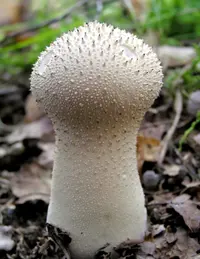
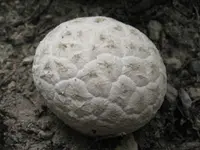
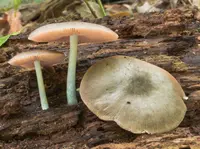
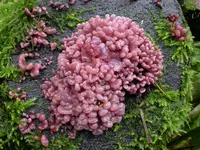
Ginkgo Spot is not a typical houseplant but a highly specialized fungus associated with the leaves of the ginkgo tree, Ginkgo biloba. It forms tiny, dark, speck-like fruiting bodies on aging or fallen leaves rather than growing as a leafy plant.

Bartheletia paradoxa is considered rare and has a very narrow ecological niche, so it is not commonly cultivated or traded. Gardeners mainly encounter it outdoors where ginkgo trees are present and do not usually need to care for Ginkgo Spot directly.

Its development depends on the presence of suitable ginkgo foliage, moderate moisture, and natural outdoor conditions, which makes intentional cultivation difficult for hobbyists.

Main Plant Requirements

Care Difficulty

Moderate Care

Light Preference

Partial Shade

Water Requirements

Moderate Water

Temperature Preference

Warm Climate

Hardiness Zone

Unknown

Soil Texture

Loamy

Soil pH

Slightly acidic (6.5–7.0)

Soil Drainage

Well-drained

Fertilization

Minimal (feed rarely)

Get Personalized Care Plan

Scan your plant to receive care tips personalized for your specific plant

Available on iOS and Android

How to Care for the Ginkgo Spot

This fungus associated with fallen ginkgo leaves prefers bright, indirect outdoor light rather than harsh, full sun.

  • Provide 3–6 hours of dappled or filtered light, such as under or near ginkgo trees, avoiding strong midday sun that can overheat leaf litter where Ginkgo Spot appears.
  • Allow light partial shade for the rest of the day; heavy, deep shade reduces sporulation and visible growth over time.
  • In summer, protect from intense afternoon sun exposure; in cooler seasons, more open light is acceptable as long as leaf litter does not dry out excessively.

Moist but not waterlogged conditions in the leaf litter favor development of this ginkgo-associated fungus.

  • Let the upper 2–5 cm of leaf litter or topsoil stay slightly moist; if it feels dry and crisp by touch, supply enough water to evenly re-moisten without puddling.
  • Improve drainage so water does not stand for more than a few hours; persistent sogginess, algae, or a sour smell indicate excess moisture and risk of decay beyond normal Bartheletia paradoxa activity.
  • Reduce supplemental watering during cool, rainy periods and increase only during extended dry spells when leaf litter becomes brittle and starts breaking apart easily.

This ginkgo leaf-inhabiting fungus performs best in cool to mild outdoor temperatures with moderate seasonal variation.

  • Aim for active growth in 50–77°F (10–25°C); sporulation and activity often decline during very hot or very cold spells.
  • Avoid exposure below about 23°F (-5°C) for prolonged periods, as repeated deep freezes can reduce viable leaf litter and structures supporting the fungus.
  • During hot weather above 86°F (30°C), partial shade and consistent moisture in the leaf layer help buffer excess heat and prevent rapid drying of the substrate.

This species grows on fallen Ginkgo leaves and does not have controllable humidity needs in typical cultivation.

Bartheletia paradoxa is not grown in conventional potting soil, but understanding its natural substrate helps simulate conditions for study cultures.

  • In nature it develops on decaying Ginkgo biloba leaves, which form a thin, airy, organic-rich litter layer rather than true soil.
  • For experimental culture, use finely shredded, fully dried ginkgo leaves layered loosely to maintain high porosity and airflow.
  • Keep the leaf substrate only slightly moist, never waterlogged, as excess free water collapses air spaces and encourages bacterial rot.
  • Avoid dense mineral substrates, peat-based mixes, or compacted composts that hold standing moisture and limit gas exchange around the fungal tissue.

This species is not suited to ornamental container growing, but research cultures can be maintained in shallow containers when needed.

  • Use wide, shallow trays to spread leaf substrate in a thin, even layer, which limits anaerobic pockets and improves monitoring.
  • Choose rigid containers that do not flex, so the delicate leaf layer and developing structures are not disturbed during handling.
  • Provide a slightly vented lid or loose cover to stabilize moisture while still allowing gas exchange above the leaf surface.

Bartheletia paradoxa is typically associated with ginkgo trees and needs minimal direct fertilization, as the host tree supplies most nutrients.

Pruning Bartheletia paradoxa itself is not relevant, but careful pruning of the host ginkgo can support overall tree health.

  • Carry out light structural pruning of the ginkgo in late winter or early spring before active growth starts.
  • Remove dead, diseased, or crossing branches to improve air flow and light penetration in the canopy.
  • Use clean, sharp bypass pruners or a pruning saw and make smooth cuts just outside the branch collar.
  • Avoid heavy crown reduction, which can stress the tree and indirectly disrupt associated organisms.

As a microfungus associated with ginkgo leaves and tissues, Bartheletia paradoxa is not repotted or transplanted like a typical houseplant.

  • Focus instead on correct planting and long-term siting of the ginkgo tree in well-drained soil with suitable light exposure.
  • Transplant young ginkgo trees in early spring or early autumn, when temperatures are mild and moisture is reliable.
  • Limit disturbance of established tree roots; only move trees that show poor establishment or conflicting placement.
  • Water deeply after transplanting and mulch the root zone 5–8 cm thick to reduce stress and stabilize soil moisture.

Conventional home propagation is not applicable to Bartheletia paradoxa, which is a specialized fungus linked to ginkgo trees rather than a garden plant.

Winter care focuses on the hardy ginkgo host, as Bartheletia paradoxa itself does not need separate management.

  • Mature ginkgo trees tolerate typical temperate frosts, so no special wrapping or insulation is needed in most climates.
  • Mulch around the root zone 5–8 cm deep, keeping mulch slightly away from the trunk to reduce freeze–thaw stress.
  • Container-grown ginkgo saplings in cold regions can be moved into an unheated but frost-sheltered space for winter.

Care Tips

Leaf litter management

Collect and remove fallen ginkgo leaves from under the tree promptly in late season to reduce the inoculum load, since this fungus overwinters on leaf debris.

Canopy airflow improvement

Thin congested interior twigs on dense ginkgo trees to improve light and air penetration, which lowers surface moisture on leaves and makes infection by this fungus less aggressive.

Moisture pattern monitoring

Track periods of prolonged leaf wetness after rain or overhead irrigation and time inspections for spotting or lesions 7–10 days later, so any change in disease pressure is detected early.

Sanitation during pruning

Disinfect pruning tools between ginkgo trees with a 70% alcohol wipe or similar disinfectant to avoid accidentally transferring infected leaf fragments or spores.

Site history assessment

When growing Ginkgo Spot in landscapes with a known history of heavy leaf-spot issues on ginkgo, choose slightly more exposed, breezy placements rather than low, sheltered pockets where humidity lingers.

Common Pests and Diseases

Ginkgo leaf spot

This disease shows as small, angular to irregular brown spots on ginkgo leaves, sometimes merging into larger blotches late in the season. Symptoms include cosmetic damage rather than severe decline, since the fungus primarily colonizes naturally senescing foliage.

Solution

Collect and dispose of fallen, spotted leaves in autumn to reduce overwintering fungal material, since Bartheletia paradoxa survives in old leaf tissue. Maintain good spacing and airflow around ginkgo trees so foliage dries quickly after rain, and avoid overhead irrigation to limit new infections as part of long‑term Bartheletia paradoxa care.

Ginkgo leaf blotch

This disease produces larger, diffuse tan to dark brown areas on aging ginkgo leaves, sometimes with a slightly darker border. Symptoms include uneven discoloration that appears as the leaf matures rather than on very young foliage.

Solution

Rake and remove leaf litter thoroughly each fall to interrupt the life cycle of the fungus, which completes its development on dead ginkgo leaves. Where cosmetic impact is a concern in managed landscapes, combine sanitation with regular monitoring so any unusual early-season leaf damage can be assessed by a local plant pathologist before considering fungicide use.

Interesting Facts

Unique ginkgo specialist

This fungus is known only from fallen leaves of the ginkgo tree (Ginkgo biloba) and has not been reliably documented on any other host in nature, making it an extreme host specialist.

A living fossil fungus

Molecular and morphological studies indicate that this species represents a very early-diverging lineage of basidiomycete fungi, so distinct that it is placed in its own family, order, and even class.

Restricted natural range

In nature it is confirmed only from ginkgo stands in East Asia, especially Japan and China, where it fruits on overwintered leaves on the ground rather than on living foliage.

Botan icon

Did you know?

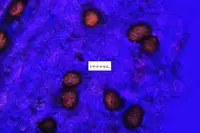
The fungus produces both sexual and asexual reproductive structures directly on dead ginkgo leaves, creating tiny dark spots and pustules that allowed mycologists to link several previously described leaf-spot forms into a single, highly unusual species.

FAQs about Ginkgo Spot

This fungus produces microscopic spores on fallen ginkgo leaves, not true seeds. It is not normally propagated by gardeners. Maintaining healthy ginkgo trees and good leaf hygiene is more practical than attempting controlled spore propagation.

Grow Healthy Plants with Botan Care

Keep your plants happy and healthy with plant identification, disease detection, and easy care guidance.

Botan plant care app — identify plants on mobile

Explore More Plants