Purple Jellydisc Care (Ascocoryne sarcoides)

Purple Jellydisc

About Purple Jellydisc

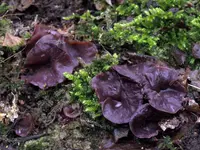
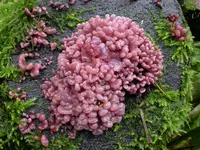
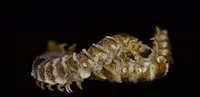
Purple jellydisc, Ascocoryne sarcoides, is not a traditional plant but a small, gelatinous fungus that appears as clustered, purple discs or cushions on decaying wood. It usually grows on fallen hardwood branches and stumps in cool, moist forests across North America and Europe.

The fruiting bodies are soft, rubbery, and often overlap, forming irregular patches that stand out against bark and moss. It plays a role in breaking down dead wood, helping recycle nutrients in forest ecosystems.

Because it relies on rotting wood, consistent moisture, and shade, it can be challenging to maintain in typical home conditions, so most guides focus on how to care for Purple Jellydisc in more naturalistic outdoor setups.

Main Plant Requirements

Care Difficulty

Hard Care

Light Preference

Partial Shade

Water Requirements

Keep Soil Moist

Temperature Preference

Cool Climate

Hardiness Zone

Unknown

Soil Texture

Loamy, Organic-rich

Soil pH

Acidic (5.5–6.5)

Soil Drainage

Moist but well-drained

Fertilization

Minimal (feed rarely)

Get Personalized Care Plan

Scan your plant to receive care tips personalized for your specific plant

Available on iOS and Android

How to Care for the Purple Jellydisc

This wood-inhabiting fungus prefers cool, shaded forest conditions rather than strong direct sun.

  • Provide dappled or deep shade, such as the north side of logs or stumps, avoiding more than 1–2 hours of direct sun per day.
  • Allow only soft morning or heavily filtered light; strong midday or afternoon sun can dry substrates quickly and desiccate Purple Jellydisc.
  • In summer, ensure dense canopy cover or leaf litter shade; in winter, low-angle sun is usually safe if substrates stay cool and moist.

Ascocoryne sarcoides thrives on consistently moist, but not waterlogged, decaying wood.

  • Aim for substrates that stay evenly damp; the surface can dry slightly between natural rain events but interior wood should remain moist.
  • Encourage good drainage around logs or stumps so water does not pool for more than 24 hours, which can promote rot by other organisms.
  • Watch for shriveling or dull, flattened discs as a sign of drying, and slimy, foul-smelling wood as a warning of prolonged saturation.

This fungus prefers cool, temperate conditions typical of shaded woodlands.

  • Optimal activity usually occurs around 50–65°F (10–18°C), with good tolerance down to about 40°F (4°C) on sheltered, moist wood.
  • Short dips near 32°F (0°C) are often tolerated if the wood does not freeze solid, but extended hard frost can damage fruiting bodies.
  • Growth slows above 75°F (24°C); prolonged heat over 85°F (29°C) combined with drying winds can halt fruiting and cause tissue collapse.

This jelly-like wood fungus tolerates a wide humidity range and does not need special humidity control.

This saprobic fungus grows on decaying wood rather than in conventional potting soil.

  • Provide well-rotted hardwood logs or thick branches with moist, fibrous structure instead of any mineral soil mix.
  • Keep the wood consistently damp but not waterlogged, allowing free drainage of excess water away from the log surface.
  • Avoid compact substrates, bark chips treated with fungicides, or very resinous softwoods, which inhibit colonization and fruiting of Ascocoryne sarcoides.
  • Position the wood where it receives rain or regular misting while still allowing air flow around all sides to prevent anaerobic (oxygen-poor) conditions.

This species is not well suited to conventional container growing, since it requires decaying wood as its substrate rather than potting mix.

Ascocoryne sarcoides growing on decaying wood gains most nutrients from its substrate and usually does not require added fertilizer in garden or natural settings.

Pruning Ascocoryne sarcoides is generally unnecessary and is limited to hygiene and safety in managed landscapes.

  • Remove only obviously decayed, hazardous, or heavily colonized wood if it threatens structures or desired plants.
  • Time any removal for dry weather to reduce spread of fungal spores and secondary decay organisms.
  • Use clean, sharp pruning saws or loppers and disinfect tools before and after cuts.
  • Avoid cutting solely to control the fungus; focus on overall tree health and structural safety instead.

This fungus is not suited to standard container culture, so care focuses on moving colonized wood rather than repotting.

  • Transplant only if the log or branch is too decayed, unsafe, or poorly placed in the landscape.
  • Carry or slide colonized wood gently to limit mechanical damage to the fungal tissue.
  • Place it back on well-drained soil or a shaded woodpile, mimicking its original moisture and light conditions.
  • Avoid frequent disturbance; once repositioned, leave the wood stable so the mycelium can recover and continue decomposing.

Propagation of Ascocoryne sarcoides is normally left to natural spore dispersal and is not a routine garden practice.

This species is cold hardy in temperate climates and usually needs no dedicated winter care, even when fruiting in cool, wet weather.

  • Allow natural leaf litter or light mulch around colonized wood to moderate moisture swings.
  • If fruiting bodies are of research or display interest, avoid moving or stacking the wood during freezes.
  • Container-displayed logs can stay outdoors in most regions; move under cover only in extreme freeze–thaw cycles to limit cracking.

Care Tips

Use Decaying Hardwood

Select well-rotted, untreated hardwood logs or large branches as a substrate, since this species is a saprobe that fruits most reliably on moist, partially decomposed wood rather than fresh cuts.

Maintain Even Moisture

Keep the wood consistently damp by misting or gently hosing it during dry spells, but avoid standing water around the logs to prevent anaerobic rot that can suppress fruiting bodies.

Provide Shaded Microclimate

Position the colonized wood in a cool, shaded corner protected from direct sun and strong wind, for example under a shrub layer or bench, to stabilize surface moisture and encourage stable jelly disc formation when growing Purple Jellydisc.

Limit Surface Disturbance

Avoid brushing, scraping, or frequently turning the colonized wood, as disturbance can damage the fungal mycelium and delay or reduce future fruiting episodes.

Encourage Natural Inoculation

Leave cut or fallen hardwood pieces in a shaded, undisturbed spot outdoors for several seasons, since spores often arrive naturally and establish more reliably than artificially introduced cultures when caring for Purple Jellydisc.

Common Pests and Diseases

White rot

This disease causes a soft, water-soaked decay of the woody substrate where the fungus grows, eventually leading to structural breakdown. Symptoms include bleached, fibrous wood around and beneath the fruiting bodies.

Solution

Remove and dispose of heavily decayed wood to slow spread, and avoid stacking fresh logs or boards in prolonged, damp contact with already infected pieces. Improve airflow and reduce constant moisture on stored wood by elevating it off the ground and providing cover from direct rain where possible.

Competing wood-decay fungi

This problem appears when other aggressive wood-decay fungi colonize the same log or stump, often outcompeting and displacing existing Ascocoryne sarcoides colonies. Symptoms include new, different-colored fruiting bodies appearing on the same substrate and a gradual reduction in Purple Jellydisc clusters.

Solution

If the goal is growing Purple Jellydisc on a specific piece of wood, remove sections visibly dominated by competing fungi and discard them. Reduce unnecessary movement and wounding of the substrate, and keep wood in a stable, shaded, moderately moist place rather than in very wet or highly disturbed areas, which favor rapid invasion by other fungi.

Sap beetle larvae

These insects are attracted to moist, decaying wood and can tunnel through fruiting bodies and nearby substrate, causing physical damage and contamination. This pest often leaves small holes, frass, and slimy or discolored patches on and around the jelly-like clusters.

Solution

Manually remove damaged and heavily infested fruiting bodies and dispose of them away from the site. Keep the area around the substrate clean of rotting plant debris and, if the fungus is being observed in a controlled outdoor setup, use fine mesh or netting around the log to reduce adult beetle access while maintaining airflow.

Interesting Facts

Natural diesel producer

This fungus can synthesize a mixture of volatile hydrocarbons sometimes called myco-diesel, chemically similar to components of petroleum-based diesel fuel and of interest for biofuel research.

Jelly-like fruiting bodies

Its fruiting bodies form moist, gelatinous, purple discs or cushions on decaying hardwood, often merging into irregular masses that can persist for weeks in cool, damp conditions.

Wood decay specialist

It grows as a saprobe on dead or dying hardwood, breaking down lignocellulose in the wood and helping recycle carbon and nutrients back into forest ecosystems.

Botan icon

Did you know?

This species often hosts diverse endophytic and associated bacteria within its tissues, and some of these microbial partners are being studied for their ability to produce useful secondary metabolites, including potential antibiotics and industrial enzymes.

FAQs about Purple Jellydisc

This fungus is not a typical houseplant and does best outdoors on decaying wood in cool, moist, shaded conditions. Indoors, it is difficult to maintain because it needs continuous fresh air flow and naturally rotting substrates.

Grow Healthy Plants with Botan Care

Keep your plants happy and healthy with plant identification, disease detection, and easy care guidance.

Botan plant care app — identify plants on mobile

Explore More Plants