onion-stalk parasol Care (Leucocoprinus cepistipes)

Also known as: onion-stalk parasol mushroom
onion-stalk parasol

About onion-stalk parasol

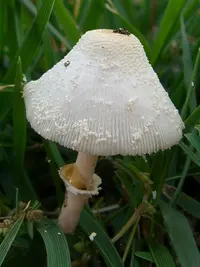
The onion-stalk parasol (Leucocoprinus cepistipes) is a small saprobic mushroom, not a true houseplant, that feeds on decaying wood and organic debris. It often appears in potted plants, greenhouses, and mulched beds.

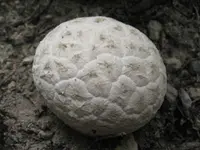
Fruiting bodies are delicate, with pale caps and slender stems that can appear suddenly and disappear within a day or two. It thrives in warm, moist, organically rich substrates where humidity stays relatively high.

Because it is a transient fungus that depends on specific moisture and organic matter conditions, it is not usually cultivated on purpose, and detailed how to care for onion-stalk parasol guidance is rarely necessary.

Main Plant Requirements

Care Difficulty

Moderate Care

Light Preference

Partial Shade

Water Requirements

Keep Soil Moist

Temperature Preference

Warm Climate

Hardiness Zone

Unknown

Soil Texture

Loamy, Peaty, Organic-rich

Soil pH

Acidic (5.5–6.5), Slightly acidic (6.5–7.0)

Soil Drainage

Moist but well-drained

Fertilization

Minimal (feed rarely)

Get Personalized Care Plan

Scan your plant to receive care tips personalized for your specific plant

Available on iOS and Android

How to Care for the onion-stalk parasol

Leucocoprinus cepistipes develops best in soft, indirect light that mimics the dappled shade of woodland edges.

  • Provide 2–4 hours of gentle morning sun with bright, filtered light for the rest of the day; avoid strong midday and late-afternoon sun to prevent drying and scorching.
  • Allow partial shade, especially under shrubs or near north- or east-facing walls, where light is bright but not harsh and humidity remains higher.
  • In summer, increase shade as sun intensity rises; in low-light seasons, move onion-stalk parasol to brighter positions to maintain compact, healthy fruiting.

This fungus needs evenly moist, not waterlogged, conditions to fruit and persist in organic-rich substrates.

  • Water when the top 2–3 cm of the substrate or soil surface feels just starting to dry, restoring a consistently moist but not saturated feel.
  • Use very free-draining soil or decaying mulch so excess water runs off; standing water or a sour smell indicates overwatering and potential rot of the mycelium.
  • In warmer months, moisture loss is faster, so monitor daily; in cooler seasons, reduce watering, watching for shrinking, brittle caps as a sign of underwatering and soft, collapsing caps as a sign of excess moisture.

This species favors mild to warm conditions, similar to a sheltered, summer woodland floor.

  • Aim for 68–82°F (20–28°C) for active growth and fruiting; brief peaks up to 86°F (30°C) are tolerated if humidity stays high and the substrate does not dry out.
  • Avoid temperatures below 50°F (10°C); fruiting declines sharply, and near-freezing conditions can damage or halt the mycelium, even if the substrate stays moist.
  • Protect from frost and rapid swings between hot, dry air and cool, damp conditions, which can cause caps to shrivel or collapse soon after they appear.

This saprotrophic mushroom does best in moderately humid air typical of shaded outdoor or greenhouse conditions.

  • Aim for 50–70% humidity; it tolerates brief dips lower but prolonged very dry air slows fruiting and shrivels caps of onion-stalk parasol.
  • Crumpling, cracking, or rapidly collapsing caps indicate humidity stress from air that is too dry.
  • Increase humidity locally by misting the surrounding substrate, using a humidity tray, or lightly covering trays with perforated plastic to trap moisture.

Leucocoprinus cepistipes thrives on loose, organic-rich substrates rather than dense mineral soil.

  • Use a light mix of well-decomposed compost, leaf mold, or coconut coir combined with some fine bark to mimic decaying plant litter.
  • Ensure rapid drainage so water moves through within seconds; the substrate should stay evenly moist but never waterlogged or soupy.
  • A slightly acidic to neutral reaction around pH 6.0–7.0 suits most household organic substrates without special adjustment.
  • Improve aeration by blending in coarse particles such as fine bark chips or perlite and avoid compacted, clay-heavy, or strongly fertilized garden soil.

This species is suitable for container growing on organic substrates such as potted plant soil or dedicated mushroom trays.

  • Choose a wide, shallow container so the fungal mycelium can spread laterally and produce more evenly distributed fruiting bodies.
  • Use rigid plastic or glazed ceramic, which holds moisture more consistently than thin metal, reducing rapid drying of the substrate surface.
  • Elevate the container on spacers so drainage holes remain clear and air can move under the base, limiting stagnant, sour-smelling moisture buildup.

This saprophytic fungus gains most nutrients from decaying organic matter, so fertilizer needs are minimal for onion-stalk parasol in pots or culture.

  • Use a very dilute balanced liquid fertilizer (around 1/8–1/4 strength, such as 10-10-10) only if grown repeatedly in the same sterile substrate.
  • Apply at most every 4–6 weeks during active fruiting or visible mycelial growth, not on a fixed calendar.
  • Avoid slow-release granules touching the mycelium; if used, mix very sparingly into fresh substrate before colonization.
  • Stop feeding in winter or when no fresh mushrooms or mycelial growth appear, to prevent salt buildup and contamination.

Leucocoprinus cepistipes is a short-lived mushroom, so pruning focuses on hygiene rather than shaping or stimulating growth.

  • Remove spent, collapsed, or moldy fruiting bodies at the base using clean scissors to limit spore spread and decay odors indoors.
  • Discard any damaged or discolored mushrooms promptly, especially in container culture, to reduce bacterial and fungal contamination.
  • Do not cut or disturb the white mycelium in the substrate, as this is the main body of the organism and drives future fruiting.
  • Use disinfected tools and wash hands before and after handling to avoid introducing pests or competing fungi.

Transplanting Leucocoprinus cepistipes is mainly about moving colonized substrate or adjusting conditions rather than handling roots like a typical plant.

  • Consider transplanting when the substrate is fully colonized, fruiting declines, or containers show sour odor or heavy contamination.
  • Best timing is during active mycelial growth in mild temperatures, avoiding very hot or very cold periods that stress the fungus.
  • Gently move chunks of colonized material into fresh, slightly moist, organic-rich substrate, keeping structure intact to limit mycelial damage.
  • Minimize handling time, maintain similar moisture and airflow, and avoid sudden light or temperature shifts to reduce stress and dieback.

Reproducing Leucocoprinus cepistipes is usually done by spreading mycelium in suitable organic substrates rather than classic plant-style propagation.

  • Use colonized substrate or spawn to inoculate fresh, moist, well-aerated organic matter such as composted wood-based potting mix.
  • Carry out inoculation in warm conditions around 68–77°F, with indirect light and good air exchange to discourage competing molds.
  • Break colonized material into small pieces and tuck them evenly through the new substrate, keeping everything slightly but not waterlogged moist.
  • Maintain stable humidity and temperature until white mycelium knits through the substrate, then allow small drops in humidity to trigger fruiting.

Outdoor patches of Leucocoprinus cepistipes decline in cold weather and resume when conditions warm; indoor occurrences need only basic seasonal adjustment.

  • In cold climates, expect outdoor fruiting to stop with the first hard frosts, as this species is not strongly frost tolerant.
  • For pots or substrates kept in unheated spaces, keep medium barely moist, not saturated, to avoid freeze-thaw damage to mycelium.
  • Indoor cultures in winter benefit from slightly warmer spots (around 65–72°F) and reduced watering compared with peak growing periods.

Care Tips

Substrate depth control

Keep the organic mulch or compost layer shallow (1–3 cm) so the fungus has enough loose material to fruit without creating a soggy, anaerobic zone that encourages rot and fungus gnats.

Rotating fruiting containers

If fruiting in pots or trays, rotate containers by 90° every few days so developing caps receive even airflow and light, which helps prevent tall, weak stems that tip over easily.

Targeted spore management

Remove mature caps before they fully flatten and release abundant spores to limit unwanted spread into nearby pots, placing removed material in a sealed bag before disposal or hot composting.

Refresh food source

Top-dress the colony every few weeks with a thin sprinkle of fresh, finely shredded leaf litter or well-aged wood-based compost to maintain a steady supply of lignocellulosic material for sustained fruiting.

Quarantine in new setups

When introducing this fungus into a new indoor growing system, start it in a separate tray or pot for a few weeks to monitor growth, pests, and mold before placing it near valuable plants, which helps streamline caring for onion-stalk parasol without accidental contamination.

Common Pests and Diseases

Fungus gnats

These insects are small dark flies whose larvae feed in very damp, organic-rich substrates, commonly appearing around cultivated mushroom trays or potted plants sharing the same area.

Solution

Reduce constant surface moisture by allowing the top layer of the substrate or nearby potting mix to dry slightly between misting, remove decaying plant debris, use fine mesh over vents or tray edges to limit adult access, and apply a biological control such as Bacillus thuringiensis israelensis (Bti) or predatory nematodes to target larvae if populations persist.

Mites

These insects are actually tiny arachnids that can colonize mushroom cultures, feeding on mycelium and fruiting bodies and sometimes introducing contamination from nearby organic material.

Solution

Physically isolate fruiting containers, keep the growing area clean and free from stored grains or infested houseplants, and discard heavily infested trays; for minor issues, cool, well-ventilated conditions and removal of affected substrate sections help reduce populations without chemical treatment, which is usually avoided around mushrooms.

Green mold (Trichoderma)

This disease appears as rapidly spreading bright to dark green patches on the substrate or at the base of the fruiting bodies, often following a subtle white or gray mycelial stage.

Solution

Promptly remove and discard contaminated trays or cut out affected sections with surrounding margin, improve hygiene of tools and containers, lower excessive humidity, increase fresh air exchange, and avoid reusing contaminated substrate or casing in order to reduce spore load and future outbreaks when growing onion-stalk parasol.

Bacterial blotch

This disease causes water-soaked, slimy, yellow-brown spots on caps and stems, often linked to standing water droplets and poor air movement over densely packed fruiting bodies.

Solution

Avoid overhead misting that leaves prolonged surface water, instead maintain humidity through indirect methods such as humidifiers or damp perlite, improve air circulation so surfaces dry quickly, remove and discard affected mushrooms, and sanitize the growing environment between cycles to lower bacterial levels.

Cobweb mold (Cladobotryum)

This disease shows as very fine, gray to off-white, spiderweb-like growth that rapidly covers substrate and fruiting bodies, collapsing mushrooms as it progresses.

Solution

Immediately remove infected areas and surrounding substrate, increase fresh air exchange, slightly reduce humidity, and disinfect surfaces and tools; small early patches can sometimes be controlled by carefully removing affected tissue and lightly misting the immediate area with clean water treated with a low concentration of food-safe disinfectant, taking care not to wet healthy mushrooms excessively.

Interesting Facts

Onion-like stem base

This species forms a slightly swollen, onion-like bulb at the stem base, which inspires both its scientific name cepistipes and the common name onion-stalk parasol.

Urban habitat specialist

It commonly appears in disturbed urban habitats such as wood chip mulch, potted plant soil, greenhouses, and compost-rich beds, where it helps decompose woody and leafy debris.

Thin, striated cap

The cap is very thin-fleshed and becomes strongly striate, or lined, from the margin inward as it expands, a feature that helps distinguish it from similar small white parasol mushrooms.

Botan icon

Did you know?

Molecular studies have shown that this delicate saprotrophic mushroom can colonize and fruit from sterilized plant substrates in laboratory conditions, which makes it a useful organism for studying how wood- and litter-decaying fungi break down complex plant polymers such as cellulose and hemicellulose.

FAQs about onion-stalk parasol

This species is generally considered inedible and is best treated as potentially toxic. Identification of small white mushrooms is difficult, and confusion with harmful lookalikes is common. Do not taste, cook, or consume any part.

Grow Healthy Plants with Botan Care

Keep your plants happy and healthy with plant identification, disease detection, and easy care guidance.

Botan plant care app — identify plants on mobile

Explore More Plants