Ganoderma zonatum Care

Ganoderma zonatum

About Ganoderma zonatum

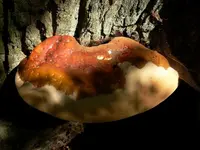
Ganoderma zonatum is a wood-decaying fungus rather than a typical leafy plant. It forms hard, shelf-like fruiting bodies on the base and roots of palms, often with concentric bands of brown and cream.

This species is native to warm, humid regions and is especially common on ornamental and landscape palms in the southeastern United States and other subtropical areas. It acts as a pathogen, causing butt rot and decline in its host trees, which makes it challenging to manage rather than something to actively cultivate.

Those who study or care for palms sometimes need to care for Ganoderma zonatum indirectly, mainly by managing site conditions and sanitation to reduce its spread, since it thrives in moist, organic-rich substrates around susceptible palms.

Main Plant Requirements

Care Difficulty

Moderate Care

Light Preference

Partial Shade

Water Requirements

Regular Water

Temperature Preference

Warm Climate

Hardiness Zone

Unknown

Soil Texture

Loamy, Sandy, Organic-rich

Soil pH

Acidic (5.5–6.5), Slightly acidic (6.5–7.0)

Soil Drainage

Moist but well-drained

Fertilization

Minimal (feed rarely)

Get Personalized Care Plan

Scan your plant to receive care tips personalized for your specific plant

Available on iOS and Android

How to Care for the Ganoderma zonatum

This root-rot fungus develops best on palms in warm, consistently bright outdoor conditions with indirect sun exposure.

  • Provide 4–6 hours of bright, indirect light or dappled shade each day; direct midday sun is not necessary because the fungus lives mainly at the soil–root interface.
  • Site host palms where they receive morning sun and afternoon shade, or under high, open canopies that give filtered light and prevent excessive surface drying.
  • In dense shade the palm host may weaken, which can favor Ganoderma zonatum spread; in very exposed, reflective sites, heat stress can also reduce palm vigor.

Water management focuses on maintaining a stable, well-drained root environment that does not favor fungal spread on susceptible palms.

  • Allow the top 5–8 cm of soil around the palm to dry slightly between deep irrigations, avoiding constant saturation that promotes root stress and decay.
  • During cooler months or rainy periods, reduce irrigation frequency and rely more on rainfall, ensuring surface water drains away within 2–4 hours after heavy rain.
  • Symptoms of excess moisture include soft, foul-smelling roots and declining palm vigor; improve drainage and irrigation practices to limit conditions favorable to Ganoderma zonatum.

This palm pathogen is favored by warm, frost-free climates and remains active for much of the year in subtropical and tropical regions.

  • Optimal activity occurs around 75–86°F (24–30°C), which aligns with typical growing conditions for many landscape palms in warm climates.
  • The fungus and its host tissues are damaged by hard frost below about 28°F (-2°C); in colder regions, palms and associated inoculum may decline or die back.
  • Heat above 95°F (35°C) is tolerated if soil moisture and drainage are appropriate, but repeated extreme heat with drought stress can weaken palms and increase susceptibility.

This wood-decaying fungus is not humidity-sensitive in cultivated landscapes, so specific air moisture control is generally unnecessary.

Ganoderma zonatum develops in very specific soil and root-zone conditions that favor infection rather than deliberate cultivation.

  • It colonizes stressed palms in compacted, poorly aerated, often waterlogged mineral soils with accumulating organic debris at the base.
  • Excess soil moisture and slow drainage around palm trunks increase disease risk by prolonging root-zone saturation and reducing oxygen.
  • A slightly acidic to neutral pH around 6.0–7.0 tends to be common in affected sites but pH adjustment alone does not control the pathogen.
  • To reduce infection risk, improve aeration and drainage with coarse sand or fine gravel, avoid adding fresh organic mulch against the trunk, and prevent chronic overwatering.

This species is not suitable for intentional container growing, as it is a destructive palm pathogen rather than an ornamental or edible crop.

This wood-decaying fungus develops on palm hosts and does not benefit from direct fertilization of the Ganoderma zonatum fruiting bodies.

Ganoderma zonatum does not require horticultural pruning; removal focuses on safety and disease management rather than shaping growth.

  • Cut and dispose of infected palm fronds or entire failing palms during dry weather to limit spread of spores.
  • Use clean, sharp pruning saws or chainsaws, disinfecting blades with 10% bleach or 70% alcohol between trees.
  • Remove loose or decayed tissue only when it poses a hazard, avoiding unnecessary wounds on living palms.
  • Do not attempt to trim away fungal brackets to cure infection, as this does not stop internal decay.

This fungus is not managed by repotting; transplanting decisions apply to the palm host rather than Ganoderma zonatum itself.

  • Consider transplanting only healthy, uninfected palms; those with conks or trunk decay are poor candidates and often unsafe to move.
  • Transplant during warm, stable weather, avoiding peak heat to reduce transplant shock to the palm’s root system.
  • Choose a site with well-drained soil and minimal history of palm losses suspected from Ganoderma infection.
  • Water deeply after transplanting and maintain even moisture, avoiding waterlogging that further stresses palm roots.

Intentional propagation of Ganoderma zonatum is not recommended, as this fungus is a destructive palm pathogen rather than a cultivated ornamental.

This pathogen is adapted to warm climates and typically does not require specific winter care measures on the fungus itself.

  • In marginal climates, focus on maintaining host palm health with proper watering and mulching to reduce general stress.
  • Apply 5–8 cm of organic mulch around the palm root zone, keeping it a few cm away from the trunk to avoid excess moisture at the base.
  • Container-grown palms in cooler regions can be moved indoors or to sheltered spaces to maintain warmer root temperatures and overall vigor.

Care Tips

Host selection

Plant susceptible palms on well-drained sites and avoid installing young palms into areas with a known history of this fungus, since Ganoderma zonatum persists in soil and infected stumps for many years.

Stump and root removal

When a palm is removed due to infection, have the stump ground out as deeply as practical and large structural roots excavated, then dispose of woody material off-site to reduce future inoculum levels.

Sanitation of tools

Disinfest chainsaws, shovels, and cutting tools with 10% bleach or 70% alcohol after working on suspect palms or stumps, and avoid using the same equipment on healthy palms without cleaning to limit mechanical spread.

Mulch and grade management

Keep mulch and soil levels below the trunk flare and avoid piling organic debris around the stem base, since constant moisture and buried trunk tissue increase the risk of infection when growing Ganoderma zonatum hosts.

Monitoring and marking

Map and label locations of confirmed cases on the property, then inspect neighboring palms at least 2–3 times per year for early signs of conks or basal decay so removal or management decisions can be made before structural failure.

Common Pests and Diseases

Basal stem rot

This disease causes a hard, dry rot at the base of the palm trunk and leads to crown decline and eventual plant death. Symptoms include wilting, yellowing fronds, and a brittle, rotting trunk base often without foul odor.

Solution

Remove and destroy severely affected palms promptly, as recovery is not expected once structural decay is advanced. For plantations or landscapes, avoid replanting susceptible palms in the same site, improve drainage and aeration around the root zone, and use clean, pathogen-free planting material as part of long-term Ganoderma zonatum care instructions.

Trunk canker

This disease produces localized sunken, discolored lesions on the lower trunk that may exude reddish-brown fluid and predispose the palm to breakage. Symptoms include reduced vigor, thinning canopy, and progressive spread of the canker area along the trunk surface.

Solution

Prune and remove highly stressed or structurally compromised palms to reduce hazard and inoculum sources. Prevent wounding of the trunk, avoid soil buildup against the stem, and maintain even irrigation to reduce stress, since there are no effective curative treatments once cankers are established.

Ganoderma butt rot

This disease affects the lower 0.5–1.5 m of the trunk, causing internal wood decay that weakens structural integrity while the canopy may still appear relatively green. Symptoms include gradual decline, reduced new growth, and cross-sections of the trunk showing mottled, discolored, spongy tissue near the base.

Solution

Remove infected palms completely, including as much of the stump and major roots as practical, and dispose of them off-site to lower inoculum levels. Avoid planting new palms directly into old stump holes, choose less susceptible species when replanting, and minimize soil compaction and flooding to limit disease pressure.

Basidiocarp formation

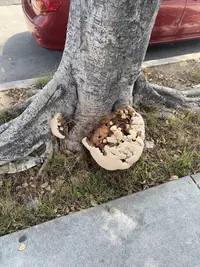
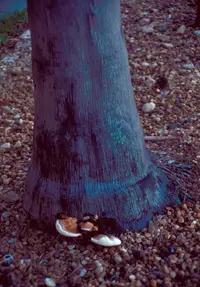
This disease stage is characterized by large, shelf-like conks forming at the base of the trunk or on exposed roots, signaling advanced internal decay. Symptoms include one or more hard, varnished, reddish-brown brackets that emerge from the lower stem, usually after internal infection is well established.

Solution

Once conks appear, the palm should be evaluated for structural risk and typically removed, since internal decay cannot be reversed. Promptly remove and discard conks and infected stumps, keep lawn equipment from damaging trunk bases, and avoid overwatering to help reduce spore spread and new infections in nearby palms.

Interesting Facts

Cabbage palm specialist

This fungus is a primary pathogen of Sabal palmetto (cabbage palm) and related palmetto species, causing a distinctive lethal trunk rot rarely seen on other tree hosts in natural settings.

Internal trunk colonizer

Instead of attacking leaves first, it colonizes the internal trunk tissues from lower wounds or roots upward, producing a brown, dry, cubical rot that leaves the outer trunk shell initially intact.

Shelf-like conk formation

The fungus produces hard, woody, semicircular brackets on or near the base of infected palms, with a typically dark, crusted upper surface and a light-colored pore layer underneath where spores are released.

Botan icon

Did you know?

Unlike many wood-decay fungi, this species can kill otherwise healthy palms without obvious early external symptoms, which makes diagnosis difficult until the crown collapses or conks appear at the trunk base.

FAQs about Ganoderma zonatum

The fruiting bodies are generally regarded as inedible due to their extremely tough, woody texture. Some sources discuss medicinal uses of related species, but this one is not commonly harvested or recommended for culinary purposes.

Grow Healthy Plants with Botan Care

Keep your plants happy and healthy with plant identification, disease detection, and easy care guidance.

Botan plant care app — identify plants on mobile

Explore More Plants