

Select optimal substrate
Use freshly cut hardwood logs (oak, beech, maple) 10–25 cm in diameter, inoculated within 2–4 weeks of cutting, to give the fungus a competitive advantage over wild contaminants.

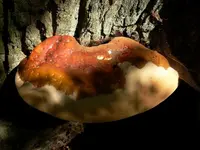
Ganoderma resinaceum is a wood-decaying bracket fungus, not a leafy houseplant. It forms hard, shelf-like fruiting bodies on the trunks or roots of living or dead broadleaf trees. The surface is often glossy and reddish to yellow-brown when young, becoming dull and woody with age.
This species occurs mainly in temperate regions of Europe and North America, especially in parks, old avenues, and mature woodlands. It is slow-growing in nature and cannot be easily managed like typical ornamental plants, so attempts to care for Ganoderma resinaceum at home are usually experimental.
In general, it favors stable moisture, shaded to dappled light, and wood-based substrates rather than soil, reflecting its role as a specialized tree-decay fungus.

Care Difficulty
Moderate Care

Light Preference
Partial Shade

Water Requirements
Keep Soil Moist

Temperature Preference
Cool Climate

Hardiness Zone
Unknown

Soil Texture
Loamy, Silty, Organic-rich

Soil pH
Acidic (5.5–6.5), Slightly acidic (6.5–7.0)

Soil Drainage
Moist but well-drained

Fertilization
Minimal (feed rarely)
Scan your plant to receive care tips personalized for your specific plant
Available on iOS and Android
This wood-decay fungus prefers light levels similar to a bright forest edge rather than full, exposed sun.
Moist, not waterlogged, conditions around the host wood support stable fruiting of this fungus.
This species fruits best in mild, temperate conditions and is sensitive to hard frost and extreme heat.
This wood-decaying fungus tolerates a broad humidity range but grows best in consistently moist air.
For cultivation, treat substrate like soil: loose, woody, and well-aerated to support strong mycelial colonization.
This species can be grown in containers when provided with stable, wood-based substrates rather than conventional potting soil.
This wood-decay fungus usually grows on nutrient-rich trees and stumps, so cultivation needs only minimal supplemental feeding.
Pruning is generally unnecessary for Ganoderma resinaceum, but limited removal can manage appearance and spore spread.
In cultivation, this species is usually managed by renewing substrate rather than conventional repotting.
Propagation of this bracket fungus is specialized and usually carried out by experienced growers using sterile technique.
This fungus is generally hardy in temperate climates and usually needs little targeted winter care.

Plant Health Check
Not sure what's wrong with your plant? Check your plant's health inside the app.
This species is a significant wood-decay fungus on broadleaf trees in cities, especially oaks, where it colonizes living trees and causes a white rot that progressively weakens the trunk and roots.
Mature brackets often develop a hard, resin-like surface with a duller sheen than Ganoderma lucidum, and can show orange to reddish zones that help field mycologists distinguish it from other bracket fungi.
It is most frequently recorded in Mediterranean and warm-temperate Europe, where it favors older street and park trees but is now being reported more often in managed urban landscapes across a wider climatic range.

Genetic and morphological studies show that what was once treated broadly as a single European species has been split, with Ganoderma resinaceum now recognized as a separate taxon from closely related look-alikes such as Ganoderma lucidum sensu stricto, highlighting how molecular tools have reshaped understanding of this fungus.
This wood-decay fungus performs best outdoors on dead or weakened hardwoods, where it can complete its natural life cycle. Indoors it is difficult to sustain long term, so most growers use outdoor logs or stumps.
Keep your plants happy and healthy with plant identification, disease detection, and easy care guidance.

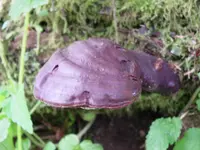
West Coast Reishi
Ganoderma oregonense
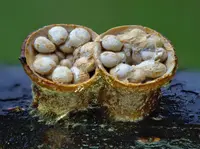
common bird's nest fungus
Crucibulum laeve
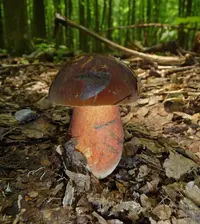
Scarletina Bolete
Neoboletus luridiformis
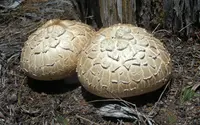
Giant Sawgill
Neolentinus ponderosus
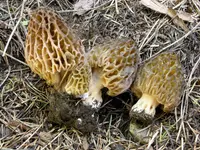
Morchella snyderi
Morchella snyderi
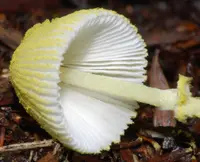
Fragile Dapperling
Leucocoprinus fragilissimus
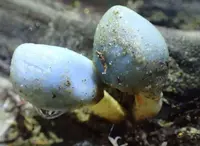
Blue Pouch Fungus
Clavogaster virescens
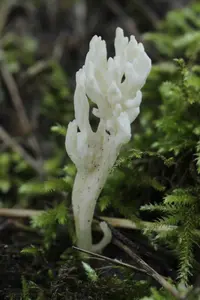
wrinkled club fungus
Clavulina rugosa