Blue Pouch Fungus Care (Clavogaster virescens)

Blue Pouch Fungus

About Blue Pouch Fungus

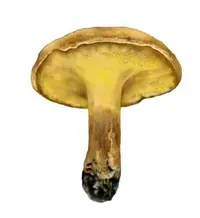
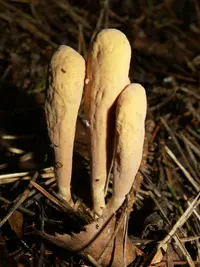
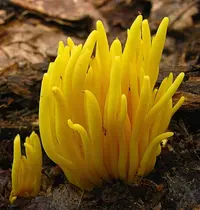
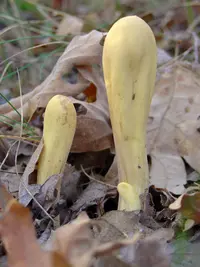
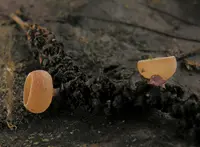
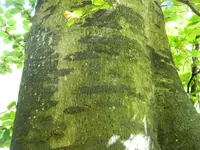
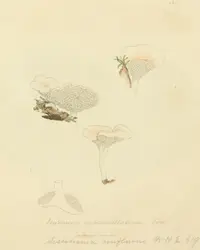
Blue pouch fungus, Clavogaster virescens, is a small, saprophytic fungus that breaks down decaying wood and leaf litter rather than behaving like a typical garden plant. It forms rounded, pouch-like fruiting bodies that often show greenish tones as they mature, sometimes partly hidden in forest debris. This species usually appears in moist, shaded woodlands and gardens with plenty of organic matter, especially in temperate regions. It is not commonly cultivated, so most information on how to care for Blue Pouch Fungus is limited to providing damp, shaded conditions and undisturbed, nutrient-rich, well-drained soil where it can naturally colonize organic material.

Main Plant Requirements

Care Difficulty

Moderate Care

Light Preference

Partial Shade

Water Requirements

Keep Soil Moist

Temperature Preference

Warm Climate

Hardiness Zone

Unknown

Soil Texture

Loamy, Organic-rich

Soil pH

Acidic (5.5–6.5)

Soil Drainage

Moist but well-drained

Fertilization

Minimal (feed rarely)

Get Personalized Care Plan

Scan your plant to receive care tips personalized for your specific plant

Available on iOS and Android

How to Care for the Blue Pouch Fungus

This woodland fungus prefers cool, shaded conditions similar to a damp forest floor.

  • Provide dappled or filtered light, such as under shrubs or trees, avoiding more than 1–2 hours of direct sun per day to prevent drying of fruiting bodies and substrate.
  • Allow full to partial shade; morning sun is tolerated if soil stays moist, but avoid strong afternoon sun, especially in exposed sites.
  • In summer, increase shade with leaf litter or low plants; in winter, natural low-angle light is acceptable as long as the site does not fully dry, which supports Blue Pouch Fungus formation.

Moist, well‑drained soil is essential for reliable fruiting of this fungus.

  • Aim for consistently damp but not waterlogged soil; the top 2–3 cm should feel moist to the touch without standing water on the surface.
  • Increase moisture during warm, dry periods by deep soaking when the surface begins to dry, while allowing excess water to drain away quickly to protect mycelium from rot.
  • Reduce supplemental watering in cool, rainy seasons; signs of chronic overwatering include sour odor and slimy patches, while shrunken, brittle fruiting bodies indicate prolonged dryness around Clavogaster virescens.

This species fruits best in mild, cool to moderate temperatures typical of shaded forest habitats.

  • Optimal fruiting commonly occurs around 50–68°F (10–20°C), with active mycelial growth possible slightly above and below this range if moisture remains stable.
  • Short exposures down to about 32°F (0°C) may be tolerated in the soil, but hard freezes below this, especially without insulating leaf litter, can damage surface structures.
  • Sustained heat above 77–82°F (25–28°C) dries substrates quickly; provide extra shade and moisture in hot spells and expect reduced or delayed fruiting during the warmest months.

Humidity is not a key factor for Clavogaster virescens and usually does not require special management in cultivation.

Clavogaster virescens develops best in consistently moist, well-drained, organic-rich substrates.

  • Use a loose mix based on decaying wood, leaf litter, and compost to mimic naturally decomposing forest material.
  • Ensure rapid drainage so water does not pool; a coarse structure with wood chips or bark chunks helps prevent waterlogging.
  • Maintain slightly acidic to neutral conditions around pH 5.5–7.0, which favor fungal mycelium activity and nutrient uptake.
  • Avoid heavily compacted, sterile, or heavily fertilized mineral garden soils that restrict aeration and disrupt fungal growth.

This species is generally unsuitable for long-term container growing because it depends on complex, decomposing substrates and outdoor conditions.

Clavogaster virescens, or Blue Pouch Fungus, usually does not need direct fertilization when grown in naturally fertile, undisturbed soil.

  • Avoid applying synthetic balanced NPK fertilizer directly to the fungus, as excess nutrients can disrupt its natural ecological relationships.
  • If grown near containerized host plants, use a mild, slow-release fertilizer in the potting mix rather than targeting the fungus itself.
  • In outdoor beds, maintain soil health with light surface applications of compost in spring, not in winter or during dormancy.

Clavogaster virescens does not require true pruning, but limited cleanup maintains hygiene around the fruiting area.

  • Best timing is after fruiting bodies have fully matured, released spores, and begun to collapse.
  • Remove only decayed or moldy fruiting bodies using clean gloves or a small knife to reduce mess and secondary rot.
  • Avoid disturbing underlying soil or mycelium, which is the main fungal body that should remain intact for future fruiting.

Clavogaster virescens is not suited to standard pot culture, so focus on careful transplanting of colonized substrate instead of classic repotting.

  • Transplant only when mycelium-colonized wood chips or soil must be moved, ideally in cool, moist weather during spring or fall.
  • Lift and move intact blocks of colonized substrate with minimal breaking to limit root-like mycelium stress.
  • Replant at the same depth in a similar, shaded, moist site with comparable organic matter content.
  • Water gently after transplanting to settle substrate, then keep evenly moist without waterlogging while mycelium re-establishes.

Propagation of Clavogaster virescens is specialized and usually left to natural spore dispersal or controlled culture by experienced growers.

  • The primary method is spore-based: mature fruiting bodies release spores that colonize nearby suitable organic material.
  • For intentional culture, transfer colonized wood chips or soil fragments to fresh, similar substrate under cool, moist conditions.
  • Keep the new site shaded, with consistent moisture and good air exchange to support mycelium spread and eventual fruiting.
  • Avoid frequent disturbance; stable temperature, moisture, and substrate quality are more critical than active handling.

Clavogaster virescens is generally cold tolerant in its suitable climate range and needs little targeted winter care outdoors.

  • Allow natural leaf litter or a thin organic mulch to remain as insulation over colonized soil or wood chips.
  • Avoid heavy soil compaction or digging in the area during freezing, which can damage underlying mycelium.
  • Container experiments should be overwintered in a cool, frost-free, shaded spot with substrate just slightly moist, not saturated.

Care Tips

Substrate rotation

Rotate or lightly disturb the top 1–2 cm of substrate between flushes to reduce compaction, improve gas exchange, and limit the buildup of competing molds when caring for Blue Pouch Fungus.

Targeted fruiting zones

Create slightly cooler, more humid microzones near air inlets or edges of trays to encourage fruiting bodies to form in predictable areas that are easy to inspect and harvest.

Sanitary harvesting

Cut fruiting bodies cleanly at the base with a disinfected blade and remove any remaining tissue fragments to reduce vectors for bacterial soft rot and secondary fungal infections.

Spent block management

Move spent or partially spent substrate blocks promptly to a separate area or sealed bag so they do not release competing spores or harbor mushroom flies near active cultures.

Monitoring for structural collapse

Inspect maturing pouches daily and remove any that show soft, waterlogged, or collapsing tissue, which can rapidly become a source of decay organisms that spread through the growing area.

Common Pests and Diseases

Sap beetle larvae

This pest uses the soft, maturing fruiting bodies as a breeding and feeding site, tunneling into the interior tissues. Symptoms include small entry holes, soft patches, and rapid collapse of the sporocarp.

Solution

Collect and remove infested and overly mature fruiting bodies promptly, placing them in sealed bags and discarding them away from the site to break the life cycle. Keep the fruiting area clean of decaying organic debris that attracts beetles, and if needed use fine mesh or physical barriers over cultivation trays or beds to reduce adult access.

Fungus gnat larvae

These insects are attracted to persistently moist substrates and their larvae feed on fine fungal mycelium, which can slow or distort the development of new sporocarps. Symptoms include thinning or patchy mycelial growth and weak, misshapen fruiting bodies.

Solution

Allow the upper layer of the substrate to dry slightly between waterings while still maintaining internal moisture, and remove any overly wet, sour-smelling material. Use yellow sticky traps to monitor and reduce adult gnats, and, if populations are high, apply a biological control such as Bacillus thuringiensis israelensis (Bti) according to label directions on non-edible ornamental cultures.

Mite grazing damage

These pests feed on surface mycelium and young tissue, leaving pitted, rough, or discolored patches on developing fruiting bodies. Symptoms include slowed growth, uneven emergence, and a dull, abraded surface on affected structures.

Solution

Inspect substrate and fruiting bodies with a hand lens and remove heavily damaged material to reduce mite numbers. Improve sanitation by removing old substrate and spilled organic matter, and where infestations persist, introduce predatory mites from reputable suppliers or heat-treat fresh substrate before use to lower initial mite loads.

Bacterial blotch

This disease develops on moist, poorly ventilated fruiting bodies, leading to greasy, water-soaked spots that may darken or become slimy. Symptoms include localized collapse of affected tissue and an unpleasant odor on advanced lesions.

Solution

Increase airflow around fruiting bodies, avoid overhead misting directly onto them, and reduce surface wetness by watering the substrate rather than the sporocarps. Remove and discard affected structures promptly, clean tools and containers with a mild disinfectant, and avoid handling fruiting bodies with wet or contaminated hands to limit spread.

Competing molds

This disease complex arises when fast-growing molds colonize the same substrate, overgrowing the mycelium with colored patches such as green, blue, or gray. Symptoms include stalled or aborted fruiting and visible mold colonies on the substrate or at the base of developing structures.

Solution

Discard heavily colonized substrate and start with clean containers and well-pasteurized or sterilized growing media. Reduce spore loads by keeping the growing area clean, limiting air disturbance over open substrates, and maintaining moderate humidity with good air exchange; when restarting a culture, use only vigorous, uncontaminated spawn to grow Clavogaster virescens successfully.

Interesting Facts

Unusual pouch-like fruiting

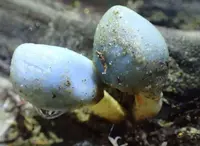
This species produces small, olive-green, pouch-shaped fruiting bodies rather than the typical cap-and-stem mushroom, placing it among the gasteroid fungi that release spores from an enclosed structure.

Spore-mass color change

As the fruiting body matures, the internal spore mass shifts from pale to darker olive-brown, a visual cue that spores are ripening and nearing release.

Australasian distribution focus

It is primarily recorded from New Zealand and parts of Australia, where it grows on soil rich in organic matter, often in native forest habitats.

Botan icon

Did you know?

Molecular studies have shown that this species, once placed in the genus Clavogaster, is closely related to some agaric (gilled) fungi, illustrating how enclosed, pouch-like fungi can evolve from typical cap-and-stem ancestors through a process known as gasteromycetization.

FAQs about Blue Pouch Fungus

This species is best grown outdoors, close to the ground in organic debris, mulch, or decaying wood. It needs natural temperature swings, airflow, and native soil organisms, so long‑term Blue Pouch Fungus indoor care is not recommended.

Grow Healthy Plants with Botan Care

Keep your plants happy and healthy with plant identification, disease detection, and easy care guidance.

Botan plant care app — identify plants on mobile

Explore More Plants