Sterile substrate handling
Use freshly sterilized sawdust or hardwood chips and clean tools when preparing the growth substrate to reduce competing fungi and give the mycelium a clear advantage.

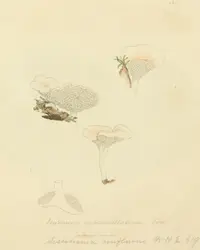
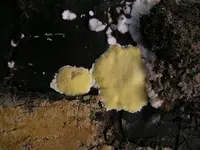
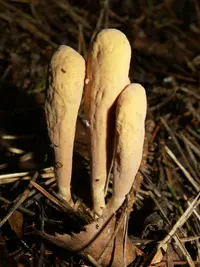
Aromatic earthfan, Sistotrema confluens, is a small, fan-shaped wood-inhabiting fungus rather than a leafy houseplant. It forms thin, spreading, often overlapping patches with a pale cream to yellowish surface and a somewhat waxy texture. The fruiting bodies usually grow flat against decaying wood, especially on fallen branches and stumps in cool, moist forests of temperate regions.
This species stays low and inconspicuous, so it is usually appreciated by fungi enthusiasts rather than casual gardeners. It can be challenging to cultivate because it depends on well-decayed wood and stable humidity. In informal settings, people mainly learn how to care for aromatic earthfan by mimicking its natural, shaded, moist woodland habitat.

Care Difficulty
Moderate Care

Light Preference
Partial Shade

Water Requirements
Moderate Water

Temperature Preference
Warm Climate

Hardiness Zone
Unknown

Soil Texture
Loamy

Soil pH
Slightly acidic (6.5–7.0)

Soil Drainage
Well-drained

Fertilization
Minimal (feed rarely)
Scan your plant to receive care tips personalized for your specific plant
Available on iOS and Android
This wood-inhabiting fungus prefers gentle, indirect light similar to a shaded forest floor.
Moist but not waterlogged conditions are essential for this wood-decaying fungus.
This species favors cool to mild conditions typical of shaded woodland habitats.
This fungus prefers consistently moist air but usually tolerates typical outdoor humidity levels.
Sistotrema confluens develops best on consistently moist, organic-rich substrates with rapid drainage.
This species is suitable for experimental container cultivation when the pot can mimic decaying wood conditions.
Sistotrema confluens is a wood-decaying fungus that needs minimal fertilization when cultivated on logs or sterilized substrates.
Sistotrema confluens does not require true pruning, but fruiting bodies and colonized wood can be tidied for hygiene and appearance.
This fungus is usually managed by changing or moving its woody substrate rather than traditional repotting.
Sistotrema confluens is typically propagated by transferring colonized material to fresh suitable wood rather than by casual home methods.
In most temperate regions this fungus is naturally cold hardy and usually needs little targeted winter care.

Plant Health Check
Not sure what's wrong with your plant? Check your plant's health inside the app.
This species forms thin, spreading, crust-like fruiting bodies that lie flat on wood surfaces rather than developing typical cap-and-stem mushrooms, a growth form called resupinate.
The fertile surface often merges into broad, irregular patches where pore-like structures join and flow together, which is why the epithet confluens refers to its tendency for separate areas to fuse.
It is a saprotrophic fungus that decomposes dead conifer or hardwood material, contributing to nutrient recycling and structural breakdown of fallen branches and logs in forest ecosystems.
This species spreads through its fungal mycelium inside decaying wood or organic debris. It does not invade healthy plants or soils aggressively, but in very favorable dead-wood habitats it can form extensive, connected colonies over time.
Keep your plants happy and healthy with plant identification, disease detection, and easy care guidance.