Lemon-colored Antrodiella Care (Antrodiella citrinella)

Lemon-colored Antrodiella

About Lemon-colored Antrodiella

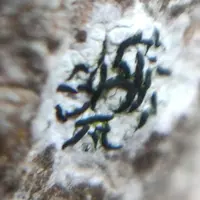
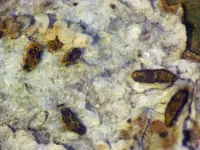
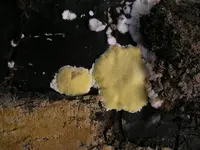
Lemon-colored Antrodiella (Antrodiella citrinella) is a small bracket fungus, not a typical leafy houseplant. It forms thin, crust-like or small shelf-like fruiting bodies with a soft yellow to lemon surface on dead or decaying wood. In nature it is found on fallen branches and logs, mainly in temperate forests of Europe and parts of Asia, where it helps break down wood. This species is specialized and not usually grown indoors, so there is little practical guidance on how to care for Lemon-colored Antrodiella. It prefers cool, shaded, consistently moist woodland conditions and naturally colonizes suitable dead wood rather than standard potting soils.

Main Plant Requirements

Care Difficulty

Moderate Care

Light Preference

Partial Shade

Water Requirements

Moderate Water

Temperature Preference

Warm Climate

Hardiness Zone

Unknown

Soil Texture

Loamy, Organic-rich

Soil pH

Slightly acidic (6.5–7.0)

Soil Drainage

Well-drained

Fertilization

Minimal (feed rarely)

Get Personalized Care Plan

Scan your plant to receive care tips personalized for your specific plant

Available on iOS and Android

How to Care for the Lemon-colored Antrodiella

This bracket fungus prefers shaded woodland conditions with only brief, gentle sun exposure.

  • Provide bright shade or dappled light, such as on the shaded side of a log or stump receiving ≤1–2 hours of weak morning sun and no harsh afternoon sun.
  • Avoid full sun; prolonged direct radiation dries the woody substrate, slowing growth and fading the lemon-colored pores of Lemon-colored Antrodiella.
  • In summer, favor north- or east-facing woodland aspects; in winter, more open canopy is acceptable as long as the host wood does not fully dry out.

This wood-decaying fungus relies on stable moisture in its host rather than direct surface watering.

  • Aim for consistently moist but not waterlogged wood; the outer 2–5 cm of the log or stump should feel slightly damp, not dripping or cracking dry.
  • Improve drainage around the host wood so rainwater runs off gently; prolonged pooling and a sour smell indicate over-saturation that can reduce Antrodiella citrinella fruiting.
  • During hot, dry spells, lightly hose or mist surrounding leaf litter every few days, allowing surfaces to dry by the next day while the inner wood remains moist.

This fungus is adapted to cool to mild woodland climates and does best without thermal extremes.

  • Optimal activity generally occurs around 50–70°F (10–21°C), common in spring and fall in temperate forests, with fruiting bodies often appearing in these cooler, stable periods.
  • It tolerates short drops near 32°F (0°C), but repeated hard frosts below 25°F (−4°C) can damage exposed fruiting brackets, though the underlying mycelium in wood often survives.
  • Sustained heat above 80°F (27°C), especially with low humidity, can dry the host wood; partial shade and retained leaf litter help buffer temperature swings.

Humidity is not a major factor for Antrodiella citrinella, which typically develops on decaying wood in outdoor conditions.

This wood-decaying fungus does not use soil in the way vascular plants do, but similar substrate principles apply if mimicking its habitat on logs or woody debris.

  • Provide well-aerated, fibrous woody material such as untreated hardwood logs, chips, or coarse bark rather than mineral soil.
  • Keep the woody substrate moist but not waterlogged, allowing excess water to drain freely to prevent anaerobic conditions.
  • Aim for slightly acidic conditions (around pH 5.0–6.5), typical of many decaying hardwoods and forest litter.
  • Avoid compacted, heavy, or highly alkaline substrates, which slow decomposition and reduce the fungal mycelium’s ability to spread.

This species is not naturally suited to container growing, as it develops on decaying wood rather than in pots with conventional substrates.

This wood-decaying fungus typically grows on nutrient-rich dead wood and does not benefit from additional fertilization in cultivation.

Antrodiella citrinella does not require true pruning, but fruiting bodies can be removed for hygiene or study.

  • Use clean, sharp scissors or a knife to trim off old, decayed, or damaged brackets close to the substrate surface.
  • Remove crowded or overlapping fruiting bodies only if they trap moisture against nearby ornamental plants or wood structures.
  • Cut slowly and avoid gouging live host tissue or structural wood to limit unnecessary damage.

This fungus is usually managed on its woody substrate rather than repotted like a typical houseplant.

  • Consider intervention when the host wood is excessively decayed, unstable, or no longer safe to keep in place.
  • Best timing for moving or replacing affected wood is late fall or early spring, when fungal activity is slower and conditions are cool.
  • If growing on a removable log or stump section, transfer the entire piece instead of disturbing the fungal tissue directly.
  • Handle the colonized wood gently and keep it shaded and evenly moist to reduce stress and sudden drying of the mycelium.

Propagation of Antrodiella citrinella is rarely attempted in home settings and is best left to experienced mycologists.

Outdoors, Lemon-colored Antrodiella is naturally cold hardy and needs no specific winter care in most temperate regions.

Care Tips

Substrate rotation

If cultivating on cut wood or logs, rotate pieces every few weeks so all surfaces receive similar airflow and light, which encourages more even fruiting and reduces localized mold growth.

Clean culture tools

Disinfect knives, drills, or inoculation tools with 70% isopropyl alcohol before each use and between batches to reduce contamination from competing fungi and bacteria that can overtake Antrodiella citrinella mycelium.

Log moisture checks

For outdoor inoculated logs, lift and inspect weight and bark pliability every 2–3 weeks, rehydrating by soaking only when the wood feels noticeably lighter and the bark begins to stiffen or crack.

Sheltered airflow

Position colonized wood in a sheltered but ventilated space, such as under a bench or open-sided shed, to protect from direct driving rain while still allowing moving air that discourages anaerobic rot.

Targeted contamination removal

If patches of foreign mold or aggressive fungi appear, cut out the affected section of wood with a clean blade and dispose of it away from the culture, which supports more stable conditions when caring for Lemon-colored Antrodiella.

Common Pests and Diseases

Wood-boring beetles

This pest targets dead or decaying wood and can tunnel through brackets and the substrate the fungus is decomposing. Symptoms include small round exit holes, frass (powdery bore dust), and drying or crumbling of the supporting wood.

Solution

Remove and discard heavily bored wood pieces and any visibly infested fungal brackets, then store collected wood in a dry, well-ventilated area to make it less attractive to beetles. For valuable habitat logs outdoors, limit irrigation or wetting, increase sun and airflow exposure where appropriate, and, if infestation is severe, rotate in fresh wood and allow the most damaged pieces to fully dry before reuse.

Mite feeding

These insects are tiny arthropods that graze on fungal tissue, leaving pitted, rough, or finely speckled surfaces on the lemon-colored fruiting bodies. Symptoms include slowed expansion of brackets, surface scarring, and occasional webbing in protected crevices.

Solution

Gently brush or rinse mites from accessible fruiting bodies and reduce excessive humidity around stored wood to make conditions less favorable. Improve airflow around the substrate, avoid stacking damp logs tightly, and if needed discard heavily damaged brackets so new growth can develop on fresher material.

Parasitic fungi

This disease occurs when other fungi colonize and overgrow the fruiting bodies, leading to discoloration, distortion, or spotting on the yellow crust. Symptoms include irregular patches of different-colored mold or crust and a loss of the normal even texture.

Solution

Remove and dispose of parasitized brackets and any heavily overgrown wood sections to reduce spore load. Maintain moderate moisture instead of constant saturation, provide better spacing and airflow between wood pieces, and rotate in fresh, uncolonized wood if wanting to continue growing Lemon-colored Antrodiella on site.

Interesting Facts

Bright sulfur-yellow pores

This crust fungus forms a thin, whitish to pale fruiting body with a striking sulfur-yellow pore surface, which helps distinguish it from many other small resupinate polypores in the field.

Specialist on birch wood

It typically grows on dead, often fallen birch branches and trunks in temperate and boreal forests, showing a strong preference for Betula species as its substrate.

Role in wood decay

As a white-rot fungus, it breaks down lignin in birch wood, contributing to nutrient recycling and structural decomposition in forest ecosystems.

FAQs about Lemon-colored Antrodiella

This species is regarded as inedible. Its texture is corky to tough, with little to no flesh and no culinary value. It is not used as food and should be treated as a non-edible bracket fungus.

Grow Healthy Plants with Botan Care

Keep your plants happy and healthy with plant identification, disease detection, and easy care guidance.

Botan plant care app — identify plants on mobile

Explore More Plants