Alder Bolete Care (Gyrodon lividus)

Alder Bolete

About Alder Bolete

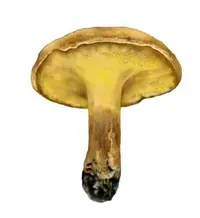
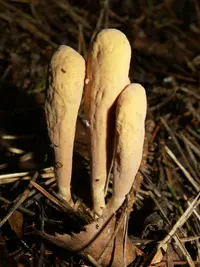
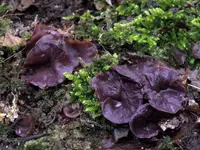
Alder bolete, Gyrodon lividus, is a fleshy, pore-bearing fungus rather than a true plant. It forms squat, soft caps with yellowish to olive pores and a short, often curved stem. The cap surface is usually smooth and can bruise or discolor when handled.

This species is typically found in damp woodland, especially near alder trees along streams, ponds, and other wet sites. It often appears in small groups on soil rich in leaf litter.

Gyrodon lividus is considered uncommon and not usually grown intentionally, which makes it unsuitable for beginners who want predictable results. Those who wish to care for Alder Bolete must replicate cool, moist, shaded woodland conditions with host trees nearby, which is technically demanding.


Main Plant Requirements

Care Difficulty

Hard Care

Light Preference

Partial Shade

Water Requirements

Keep Soil Moist

Temperature Preference

Cool Climate

Hardiness Zone

Unknown

Soil Texture

Loamy, Silty, Organic-rich

Soil pH

Acidic (5.5–6.5)

Soil Drainage

Moist but well-drained

Fertilization

Minimal (feed rarely)

Get Personalized Care Plan

Scan your plant to receive care tips personalized for your specific plant

Available on iOS and Android

How to Care for the Alder Bolete

This mycorrhizal fungus prefers cool, dappled woodland light rather than direct, open sun.

  • Provide bright shade or filtered light under alder or other deciduous trees, with only brief early-morning sun if any, avoiding strong midday and afternoon rays.
  • Aim for 2–4 hours of soft, indirect light per day; deeper shade reduces fruiting of Alder Bolete, while prolonged full sun can dry the substrate and mycelium.
  • In summer, use leaf litter, understory plants, or shade from shrubs to buffer intense light, while in late autumn reduced day length naturally slows growth and fruiting.

This woodland species depends on consistently moist, not waterlogged, soil around its tree partner.

  • Maintain soil that feels evenly moist 2–5 cm below the surface; if this layer is dry and crumbly, recent rainfall or irrigation is likely needed.
  • Ensure the site drains freely so water does not pool for more than a few hours, since stagnant moisture favors rot and can damage Gyrodon lividus mycelium.
  • In hot, dry weather, expect faster drying and monitor the soil more often, while in cool, wet seasons rely mainly on rainfall and watch for standing water or sour odors as signs of excess moisture.

This fungus thrives in cool to mild conditions typical of temperate woodlands.

  • Best fruiting usually occurs around 55–68°F (13–20°C), with steady, moderate temperatures helping maintain moist soil and stable mycelial growth.
  • The mycelium often survives brief drops to about 28–32°F (-2–0°C), but hard, prolonged frost below this range can damage or kill colonized surface layers.
  • Heat above 77–82°F (25–28°C), especially when combined with dry air, can halt fruiting and dry the substrate, so shaded, moist microhabitats are important during summer warm spells.

Gyrodon lividus fruits best in consistently moist air, benefiting from elevated humidity in sheltered outdoor sites.

  • Aim for 70–90% humidity around developing fruiting bodies by maintaining moist leaf litter or mulch without waterlogging the substrate.
  • This species tolerates brief drier spells but prolonged air below ~50% often leads to small, cracked, or prematurely drying caps.
  • Signs of humidity stress include pale, shrunken, or split caps and rapid tube drying on the underside.
  • To increase humidity, retain a thick organic layer, use windbreaks, and water the surrounding soil rather than directly soaking Alder Bolete caps.

Gyrodon lividus prefers moist, organically rich soil closely associated with alder roots.

  • Use a loose, humus-rich loam with fine leaf litter and well-rotted wood fragments to mimic alder woodland floor conditions.
  • Ensure steady moisture with slow drainage, avoiding standing water; soil should feel damp but not saturated when squeezed.
  • A slightly acidic pH of 5.0–6.5 supports associated tree health and typical fungal partners, indirectly favoring fruiting.
  • Improve aeration by mixing in coarse leaf mold, small bark chips, and a little sand, avoiding heavy clays, sterile potting mixes, or highly fertilized garden soils.

This species is generally unsuitable for standard container growing, as it relies on complex root and soil relationships with alder trees.

Gyrodon lividus is a wild mycorrhizal fungus that gains nutrients through its tree partners, so direct fertilization is generally unnecessary.

Pruning is not a standard practice for Gyrodon lividus, as it is a wild mushroom rather than a cultivated ornamental plant.

Gyrodon lividus is not suited to typical container culture; instead, focus on maintaining suitable host trees and soil conditions.

  • Avoid disturbing natural colonies; moving soil or fruiting bodies rarely results in successful establishment elsewhere.
  • If attempting cultivation, mimic its native habitat near alder roots in moist, well-drained, mildly acidic soil.
  • Transplant only small blocks of undisturbed mycelium and surrounding soil, keeping it shaded and evenly moist.
  • Minimize root and soil disturbance around host trees to reduce stress on the fungus–tree relationship.

Propagation of Gyrodon lividus is specialized and generally left to natural spore dispersal in suitable woodland habitats.

This species is naturally cold hardy in its native range and usually needs no targeted winter care from gardeners.

Care Tips

Substrate inoculation patches

Introduce the fungus by placing small colonized woodchip or plug sections directly against fine alder roots, then cover lightly with leaf litter so the mycelium can establish a stable mycorrhizal partnership before fruiting is expected.

Moisture-conserving mulch

Apply a 2–4 cm layer of untreated alder leaf litter or mixed hardwood leaves around host trees to maintain even surface moisture and create a loose, aerated layer that favors mycelial spread without smothering the soil.

Gentle fruiting harvest

When collecting bodies, twist and lift gently at the base rather than cutting deep into the substrate, then replace a thin layer of leaf litter to limit surface disturbance and protect the underlying mycelium network.

Seasonal host support

Ensure alder hosts remain unstressed by maintaining appropriate watering and avoiding root compaction from heavy traffic or machinery in the drip line, because healthy roots support more reliable fruiting when growing Alder Bolete.

Rotate collection areas

Harvest from different patches each season and leave a portion of mushrooms untouched in each cluster so spores can mature and disperse, helping maintain and gradually expand productive areas over time.

Common Pests and Diseases

Mycophagous slugs

This pest feeds on the soft fruiting bodies, often leaving irregular holes, slime trails, and partially eaten caps near alder stands. Damage is usually worst in damp, cool conditions with thick ground litter.

Solution

Hand-pick slugs during evening or early morning, reduce dense ground cover where possible, and use slug barriers such as copper tape or rough mineral grit around cultivation beds. In outdoor production or study plots, deploy beer or yeast traps at the perimeter rather than directly beside mushrooms to limit bait contamination.

Fungus gnat larvae

This pest develops within the substrate and fruiting bodies, creating small tunnels and soft spots that cause caps to deform or collapse. Symptoms include tiny black adult gnats hovering near substrate and water sources.

Solution

Reduce excess moisture and improve drainage so the surface does not stay constantly wet, and use fine mesh over vents or openings to keep adults away from the substrate. Yellow sticky traps placed near, but not above, fruiting areas help monitor and lower adult numbers, and a biological control such as Bacillus thuringiensis israelensis can be used in moist soil or litter where gnats breed.

Mold contamination

This disease appears as patches of white, green, or gray fuzzy growth that overrun mycelium or fruiting bodies on wood chips or cultivation blocks. Symptoms include stalled mushroom development and discolored, off-odor patches on substrate around alder roots or debris.

Solution

Remove and discard heavily contaminated substrate and fruiting bodies, and avoid disturbing spores into clean areas. Improve air exchange, avoid overwatering, and sterilize or thoroughly pasteurize any new substrate before use to support healthy Gyrodon lividus care instructions and reduce competitive molds.

Bacterial blotch

This disease causes slimy, water-soaked spots on caps that may turn yellow-brown and collapse under persistently wet conditions. Symptoms include a greasy or sticky surface, often following overhead watering or prolonged leaf drip from nearby alder foliage.

Solution

Limit direct water contact with developing mushrooms by watering substrate rather than caps, and increase airflow so surfaces dry within a few hours after irrigation or rainfall. Remove and dispose of affected fruiting bodies and tools should be cleaned with a mild disinfectant between uses to reduce bacterial spread.

Interesting Facts

Pore surface color shift

The underside of the cap starts yellow and often turns olive-brown to rusty when bruised or with age, a helpful field character to distinguish it from similar boletes.

Preference for alder roots

This fungus is tightly associated with alder trees, especially Alnus glutinosa, forming ectomycorrhizae that help the tree absorb water and nutrients while the fungus receives sugars from the host.

Sticky, often distorted cap

Mature fruiting bodies frequently develop irregular, wavy caps with a sticky or greasy surface when moist, which makes them stand out among more symmetrical bolete species.

Botan icon

Did you know?

Gyrodon lividus is one of only a few species placed in the small genus Gyrodon, and molecular studies indicate that it occupies an unusual position among boletes, sitting close to the genus Paxillus despite its pore-bearing underside.

FAQs about Alder Bolete

This fungus is generally considered edible but of low culinary value, with soft, often waterlogged flesh and mild flavor. Identification must be certain, as some similar boletes can cause stomach upset. Always cook thoroughly and avoid old, infested specimens.

Grow Healthy Plants with Botan Care

Keep your plants happy and healthy with plant identification, disease detection, and easy care guidance.

Botan plant care app — identify plants on mobile

Explore More Plants