grey coral Care (Clavulina cinerea)

Also known as: grey coral fungus
grey coral

About grey coral

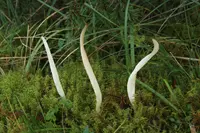
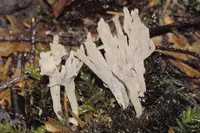
Grey coral, Clavulina cinerea, is a small coral-shaped fungus rather than a true plant. It forms dense clusters of upright, branching, gray to pale lilac clubs that resemble underwater coral. These fruiting bodies usually appear on soil or among leaf litter in mixed and coniferous woodlands.

This species occurs widely in temperate regions, including parts of North America, Europe, and Asia, often in association with tree roots. It forms mycorrhizae, a mutual partnership with roots, which makes it unsuitable for typical pot culture and limits how to care for grey coral in home settings.

In nature, it prefers humus-rich, undisturbed forest soils with consistent moisture and dappled shade. It is mainly appreciated by foragers and fungi enthusiasts rather than indoor growers.

Main Plant Requirements

Care Difficulty

Moderate Care

Light Preference

Partial Shade

Water Requirements

Regular Water

Temperature Preference

Cool Climate

Hardiness Zone

Unknown

Soil Texture

Loamy, Silty, Organic-rich

Soil pH

Acidic (5.5–6.5), Slightly acidic (6.5–7.0)

Soil Drainage

Moist but well-drained

Fertilization

Minimal (feed rarely)

Get Personalized Care Plan

Scan your plant to receive care tips personalized for your specific plant

Available on iOS and Android

How to Care for the grey coral

This fungus prefers cool, shaded forest conditions rather than strong direct sun.

  • Provide dappled or filtered light under trees, with at most 1–2 hours of weak morning sun and no harsh afternoon sun.
  • Aim for 4–6 hours of bright, indirect light through the canopy; deep shade reduces fruiting and leads to sparse grey coral clusters.
  • In summer, protect from exposed sites that dry out quickly; in autumn, slightly more open light is acceptable if the soil stays moist.

Clavulina cinerea relies on consistently moist, not waterlogged, forest soil.

  • Maintain evenly moist leaf-litter and upper soil; allow only the top 1–2 cm to start drying before rewetting in dry spells.
  • Ensure excellent drainage with loose, humus-rich soil; standing water or compacted clay quickly rots underground mycelium.
  • In hot, dry weather, increase watering frequency while monitoring for soggy patches, and reduce inputs in cool, rainy periods to avoid oversaturation.

This species fruits best in cool to mild conditions typical of temperate forests.

  • Optimal fruiting occurs around 55–68°F (13–20°C), often in late summer to autumn when soil stays cool and evenly moist.
  • Growth slows below about 45°F (7°C) and stops with hard frost; repeated freezes can damage fruiting bodies but the underground structures usually persist.
  • Temperatures above 77°F (25°C), especially with dry air and soil, reduce fruiting; provide shade and moisture buffering from leaf litter during heat.

This fungus prefers consistently moist, humid conditions similar to a damp forest floor.

  • Aim for 70–90% humidity around fruiting areas, using misting or a humidifier in dry environments.
  • Dry air causes pale, shrunken, or brittle grey coral clusters and slower or aborted fruiting.
  • Increase local humidity by covering beds with breathable fabric, using damp leaf litter, or placing trays of water nearby.

Clavulina cinerea develops best in loose, humus-rich soil that mimics decaying forest litter.

  • Use a loamy, organic-rich substrate combining woodland soil, well-rotted leaf mold, and a small portion of washed sand for structure.
  • Ensure very free drainage so water never pools; a crumbly, airy profile supports oxygen flow to the mycelium.
  • Maintain slightly acidic to neutral conditions, around pH 5.5–7.0, avoiding limed or strongly alkaline ground.
  • Improve aeration and drainage by incorporating coarse leaf fragments or fine bark chips, and avoid compacted or waterlogged sites.

This species is not well suited to typical ornamental container growing and is usually better established in outdoor beds or naturalistic troughs.

Clavulina cinerea is a woodland fungus that relies mainly on natural soil nutrients and usually does not need supplemental feeding in gardens or containers.

Clavulina cinerea requires no true pruning, but minor cleanup supports hygiene and easier observation in managed beds or outdoor cultivation.

  • Carry out any cleanup after fruiting bodies collapse and dry, when disturbance to active growth is minimal.
  • Gently remove only obviously dead, decaying, or mold-covered fruiting clusters to limit unwanted fungal competitors.
  • Use clean hands or disinfected scissors and avoid tearing into the underlying soil or mycelial network.
  • Do not shape or thin clusters; excessive disturbance can reduce future fruiting and colony stability.

This fungus is rarely grown in pots; in gardens, focus on careful transplanting or habitat adjustment rather than frequent moving.

  • Transplant only if the site is clearly unsuitable, such as chronically waterlogged soil or heavy disturbance from traffic.
  • Best timing is early autumn or spring, when temperatures are mild and soil stays evenly moist.
  • Move a generous plug of soil containing the mycelium, minimizing breakage of the fine fungal threads.
  • Replant immediately, firm soil gently, water to settle, and keep the new site shaded and consistently moist to reduce stress.

Propagation of Clavulina cinerea is specialized and usually left to natural spore dispersal and gradual colony spread rather than home techniques.

This species is naturally cold hardy in temperate climates and normally requires no special winter care in garden or woodland settings.

Care Tips

Substrate renewal

After each fruiting flush, gently remove and discard the spent top 1–2 cm of substrate and replace it with fresh, pasteurized mix to reduce pathogen buildup and encourage new grey coral clusters.

Clean harvest technique

Cut the clusters at the base with a sterilized knife instead of pulling them out, leaving the underlying mycelium intact so it can recover and potentially produce additional flushes.

Targeted airflow management

Use a small fan set on low, directed to gently move air above the fruiting area but not directly at the coral tips, which limits mold while preventing the delicate branches from drying or deforming.

Contamination monitoring

Inspect the substrate and developing clusters daily for patches of green, black, or strong-smelling mold and promptly remove affected sections with sterile tools to protect the remaining colony when growing grey coral.

Controlled light exposure

Provide low, indirect light on a regular schedule of 8–10 hours and avoid sudden shifts between bright light and total darkness, which helps maintain even, compact branching of the fruiting bodies.

Common Pests and Diseases

Fungus gnat larvae

This pest feeds on decaying substrate and fine fungal tissue around the base of grey coral fruiting bodies. Symptoms include thinning, collapsing branches and visible small white larvae in the moist substrate.

Solution

Reduce excess moisture in cultivation trays, improve drainage, and allow the top layer of substrate to dry slightly between waterings. Use sticky traps for adult gnats and, if needed, apply a biological control such as Bacillus thuringiensis israelensis (BTI) to the substrate according to label directions.

Mite contamination

These insects, often saprophytic or parasitic mites, feed on developing coral structures and can cause distorted, stunted, or browned tips. Symptoms include dusty moving specks on or around fruiting clusters and slowed or uneven growth.

Solution

Lower overcrowding, increase fresh air exchange, and avoid overly dry, stagnant conditions that favor some mite species. Remove and discard heavily damaged clusters and, if infestation persists, use a targeted acaricide or horticultural oil spray on surrounding non-fruiting surfaces, avoiding direct contact with harvestable tissue.

Bacterial blotch

This disease causes translucent, water-soaked spots that may turn tan to brown on coral branches, sometimes with a slimy surface in very humid conditions. Symptoms include localized softening and collapse of affected tips.

Solution

Improve air circulation, avoid overhead misting directly onto the fruiting bodies, and keep relative humidity closer to the lower end of the recommended range for growing grey coral. Remove and discard any heavily spotted clusters and sanitize tools and surfaces with a food-safe disinfectant between harvests.

Green Trichoderma mold

This disease appears as bright to dark green patches on the substrate or at the base of the coral structures, often outcompeting the main fungus. Symptoms include reduced or aborted fruiting and patchy colonization of the substrate.

Solution

Discard heavily contaminated blocks or trays, as Trichoderma spreads quickly. For mild contamination, cut out affected substrate with clean tools, reduce excess moisture, increase fresh air, and ensure future batches use properly sterilized or pasteurized substrate and clean, uncontaminated spawn.

Black spotting fungal infection

This disease produces small black specks or patches on branch surfaces, sometimes leading to localized hardening or dry necrosis. Symptoms include speckled, blemished fruiting bodies that may stop expanding normally.

Solution

Lower humidity slightly, increase air movement, and avoid direct water spray on mature fruiting bodies. Remove and discard affected clusters, clean cultivation containers and shelving, and keep new cultures well spaced to reduce spore buildup and reinfection.

Interesting Facts

Ectomycorrhizal partner

This fungus forms ectomycorrhizal associations with tree roots, especially with oaks and pines, exchanging mineral nutrients and water for sugars from the host tree.

Characteristic grey branches

Its coral-like fruiting bodies are distinctly grey to grey-brown with finely branched tips, a combination that helps distinguish it from many white or brightly colored coral fungi in the field.

Late-season fruiting

In many temperate forests this species tends to fruit from late summer into autumn, often appearing in groups on the forest floor where leaf litter and tree roots are abundant.

Botan icon

Did you know?

Molecular studies have shown that specimens once grouped under the name Clavulina cinerea can represent several closely related lineages, so some collections historically identified as this species are now being reassigned as taxonomists refine its genetic boundaries.

FAQs about grey coral

This fungus develops relatively quickly once conditions are right, often forming visible clusters within days after rain. Individual fruiting bodies mature in about 3–7 days, then collapse and decay, returning nutrients to the forest floor.

Grow Healthy Plants with Botan Care

Keep your plants happy and healthy with plant identification, disease detection, and easy care guidance.

Botan plant care app — identify plants on mobile

Explore More Plants