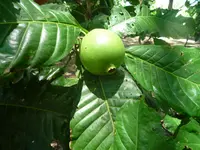
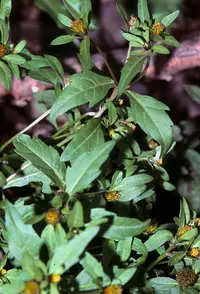
heartleaf madeiravine Care (Anredera cordifolia)

Also known as: Mignonette vine, Madeira Vine, Cordate-leaved Anredera, White Shroud
heartleaf madeiravine

About heartleaf madeiravine

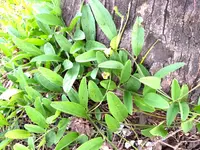
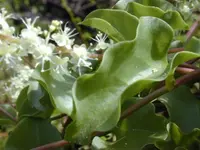
Heartleaf madeiravine (Anredera cordifolia) is a fast-growing perennial vine known for its twining stems and fleshy, heart-shaped leaves. It often develops thick, tuberous roots that store water and nutrients.

In warm climates it can climb fences, trellises, or shrubs, forming dense, green curtains and producing fragrant, creamy-white flower spikes. This vigorous growth makes it ornamental but also potentially invasive outdoors in mild regions.

The species is native to South America but has naturalized in many subtropical and coastal areas worldwide. Its toughness and drought tolerance can make it easy to grow, but proper containment is important when you care for heartleaf madeiravine.

Main Plant Requirements

Care Difficulty

Moderate Care

Light Preference

Full Sun

Water Requirements

Regular Water

Temperature Preference

Tropical / Frost Sensitive

Hardiness Zone

9–11

Soil Texture

Sandy, Loamy, Organic-rich

Soil pH

Acidic (5.5–6.5), Slightly acidic (6.5–7.0)

Soil Drainage

Moist but well-drained

Fertilization

Light (every 4–6 weeks)

Get Personalized Care Plan

Scan your plant to receive care tips personalized for your specific plant

Available on iOS and Android

How to Care for the heartleaf madeiravine

This vigorous vine prefers bright conditions with some protection from harsh midday sun.

  • Provide 4–6 hours of direct morning sun with light or dappled shade in the afternoon for best growth of heartleaf madeiravine.
  • Tolerates partial shade (about 2–4 hours of sun) but stems may stretch and flowering can decrease if light is much lower.
  • In very hot summers, strong afternoon sun can scorch leaves; use a fence, trellis, or nearby shrubs to create filtered light, especially in exposed sites.

This plant favors consistently moist but not saturated soil during active growth.

  • Water when the top 3–5 cm of soil feel dry, soaking the root zone deeply and allowing excess to drain away.
  • Reduce watering in cool seasons when growth slows, keeping soil slightly moist but never waterlogged to avoid tuber and root rot in Anredera cordifolia.
  • Wilting with dry soil indicates underwatering, while yellowing leaves, soft stems, or a sour soil smell suggest overwatering and poor drainage.

This vine grows best in warm, frost-free climates with mild winters.

  • Optimal growth occurs around 70–85°F (21–29°C), where the plant produces vigorous vines and foliage.
  • It is very sensitive to frost and can be damaged below 32°F (0°C); tubers may survive brief light frosts if soil is mulched, but repeated freezes reduce survival.
  • In hot areas with summer highs of 95–100°F (35–38°C), growth usually continues if roots are mulched, soil moisture is maintained, and leaves are protected from reflected heat.

This species tolerates a wide humidity range but grows best with moderately moist air.

  • Aim for 40–60% humidity; typical indoor levels are usually sufficient for heartleaf madeiravine.
  • Crisp leaf edges, stalled growth, and rapid leaf drop can indicate air that is too dry for extended periods.
  • Increase humidity by grouping plants, placing the pot on a pebble tray with water below the pot base, or using a small room humidifier nearby.

This vine prefers loose, well-drained, nutrient-rich soil that does not stay waterlogged.

  • Use a loamy mix with high organic matter, such as 2 parts all-purpose potting mix, 1 part compost, and 1 part perlite or coarse sand.
  • Ensure rapid drainage so water runs freely from the pot; the mix should feel springy rather than sticky or compacted.
  • A slightly acidic to neutral pH around 6.0–7.0 suits Anredera cordifolia and helps roots access nutrients efficiently.
  • Avoid heavy clay, compacted substrates, or mixes with large amounts of fine peat that stay wet for many hours after watering.

This species suits container growing and can be managed more easily in pots than in open ground.

  • Choose a deep, heavy container to anchor the vigorous climbing growth and reduce the risk of tipping in wind.
  • Select a pot material that matches your climate, such as terracotta for drier conditions or thick plastic to slow moisture loss in hot areas.
  • Provide a sturdy trellis or support fixed firmly inside the pot so stems do not pull the container off balance as they elongate.

This vigorous vine responds well to light, consistent feeding during the active growing season.

  • Apply a balanced liquid fertilizer (such as 10-10-10 NPK) at 1/2 strength every 4–6 weeks in spring and summer.
  • Alternatively, mix a slow-release granular fertilizer into the potting mix or soil at the start of the season.
  • Use a thin layer of mature compost around the root zone to support tuber health and soil life.
  • Reduce feeding of heartleaf madeiravine to once in late winter or stop altogether where growth becomes fully dormant.

Pruning Anredera cordifolia is important to control vigor and maintain a tidy, safe structure.

  • Cut back long, wandering vines in late winter or early spring before vigorous new growth starts.
  • Remove dead, damaged, or heavily tangled stems to improve air flow and reduce disease risk.
  • Shorten overly dense sections to manage spread and keep the plant on its support or within its bed.
  • Use clean, sharp pruners, making cuts just above a node to encourage branching and fuller growth.

Strong tuber growth means this species can outgrow containers or beds and benefits from thoughtful transplanting.

  • Look for crowded, circling roots, cracked pots, or slowed growth as signs it needs a larger container or division.
  • Plan transplanting or repotting for spring, when new growth starts and recovery conditions are favorable.
  • Expect to move container plants every 2–3 years into a pot 2–5 cm wider, using fresh, free-draining mix.
  • Water well before and after, keep roots shaded, and avoid breaking tubers to limit stress and encourage quick re-establishment.

This vine is commonly propagated and spreads strongly, so plan propagation of Anredera cordifolia carefully.

  • Use stem cuttings in late spring or summer, placing 2–3 node sections in moist, free-draining mix under bright, indirect light.
  • Plant viable aerial or underground tubers just below the surface, keeping soil evenly moist until growth appears.
  • Sow seeds in warm conditions (70–75°F) using a light seed mix, maintaining consistent but not soggy moisture.
  • Provide high humidity and gentle bottom heat if possible to speed rooting and early establishment.

Winter care depends on climate, as this vine is frost-tender in cooler regions but persists in mild areas.

  • In regions with frost, move container plants indoors to a bright, cool room before temperatures drop near 40°F.
  • Outdoors, add 5–8 cm of mulch over the root zone to insulate tubers in marginal climates.
  • Expect top growth to die back in cold; avoid waterlogged soil so dormant tubers do not rot.

Care Tips

Strong trellis support

Install a sturdy trellis, wire mesh, or railing before the vine takes off, then loosely tie new shoots with soft garden ties to keep the fast, heavy growth supported and easy to manage.

Tubers in containers

If growing in pots, lift and inspect the fleshy underground tubers every 1–2 years, trimming back crowded or rotten sections and repotting into fresh mix to prevent the plant from becoming root-bound and weak.

Bulbil management

Regularly remove and discard the small bead-like bulbils that form along the stems so they do not drop, root, and create unwanted new plants in nearby beds or cracks.

Seasonal growth control

In late winter or early spring, cut back long, tangled vines to a manageable framework to stimulate strong new shoots while preventing the plant from smothering nearby structures or plants during the peak season.

Quarantine and monitoring

When introducing a new plant, keep it isolated for 2–3 weeks and inspect the undersides of leaves and tender stems for scale, mealybugs, or spider mites, which makes caring for heartleaf madeiravine easier over the long term.

Common Pests and Diseases

Scale insects

This pest feeds on stems and leaves, causing yellowing, stunted growth, and sticky honeydew that can lead to sooty mold. Infestations are often found along the fleshy vines and nodes where the insects stay partially hidden.

Solution

Remove heavily infested stems and discard them, then wipe remaining insects off with a cotton pad dipped in diluted alcohol or insecticidal soap. For outdoor plants, encourage natural predators and, if needed, use a targeted horticultural oil spray, repeating after 7–10 days to catch newly hatched crawlers.

Spider mites

These insects thrive in hot, dry conditions and suck sap from the foliage, leading to pale, speckled leaves and fine webbing on vines and the undersides of leaves. Symptoms include slow decline of the vine and premature leaf drop if the population builds up.

Solution

Rinse the plant thoroughly with a strong but gentle stream of water, focusing on leaf undersides, then maintain higher humidity and avoid very dry, stagnant air. For persistent issues, apply insecticidal soap or horticultural oil, repeating applications and improving air movement to prevent reinfestation.

Leaf spots

This disease appears as small brown, tan, or dark spots on leaves, sometimes with a yellow halo, which can merge and cause partial leaf death. Symptoms include premature leaf drop on lower or crowded parts of the vine, especially in warm, humid conditions.

Solution

Remove and discard affected leaves and avoid wetting the foliage when watering, especially late in the day. Improve spacing and airflow along fences or trellises, and in severe recurring cases use a labeled copper or sulfur-based fungicide while also reducing overhead irrigation.

Stem cankers

This disease causes sunken, dark or discolored lesions on the fleshy stems, leading to wilting or dieback of sections of the vine above the damaged area. Symptoms include cracked or shriveled stems that fail to regrow vigorously in the following season.

Solution

Prune out affected stems several inches below visible damage and dispose of them, disinfecting pruning tools between cuts with alcohol or a bleach solution. Reduce mechanical injury and water stress, avoid prolonged water sitting on stems, and maintain good airflow around the plant to limit further infections.

Tubers and rhizome rot

This disease affects the fleshy underground storage organs, leading to soft, brown, or foul-smelling tissues and poor or patchy regrowth. Symptoms include weak new shoots, sudden wilting, and sections of the vine failing to emerge after winter or dry periods.

Solution

Lift and inspect storage tubers, discarding any that are soft or discolored, and replant only firm, healthy pieces in well-drained soil that does not stay waterlogged. Avoid overwatering, especially in cool weather, and consider raised beds or improved drainage if soil tends to stay saturated, which is a key point in Anredera cordifolia care instructions.

Interesting Facts

Edible leaf vegetable

The leaves and young shoots of this species are used as a leafy vegetable in parts of South America and Asia, usually cooked briefly to soften their slightly mucilaginous texture.

Climbing via twining

This vine climbs by twining around supports rather than using tendrils or adhesive roots, allowing it to spiral up shrubs, fences, and trees and form dense curtains of foliage.

Aerial tuber production

It produces numerous small, warty tubers along its stems above ground, which can detach and root easily, giving the plant a very efficient vegetative reproduction strategy.

Botan icon

Did you know?

In several countries, including Australia and New Zealand, this species is legally listed as a serious environmental weed because its fast growth and heavy, smothering foliage can collapse native shrubs and small trees, dramatically altering natural plant communities.

FAQs about heartleaf madeiravine

This species spreads very aggressively through twining stems and numerous tubers that resprout if left in the soil. In mild climates it can smother nearby plants and structures, so strict containment and regular removal of stray shoots are essential.

Grow Healthy Plants with Botan Care

Keep your plants happy and healthy with plant identification, disease detection, and easy care guidance.


Botan plant care app — identify plants on mobile

Explore More Plants