sea purslane Care (Atriplex portulacoides)

sea purslane

About sea purslane

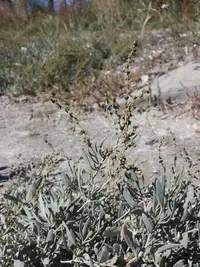
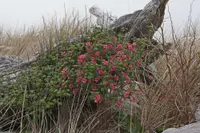
Sea purslane, Atriplex portulacoides, is a low, spreading coastal shrub commonly found along salt marshes, estuaries, and seashores. It forms dense, mat-like clumps with small, fleshy grey-green leaves.

This plant is naturally adapted to salty, windy, and occasionally flooded conditions, which makes it very resilient in coastal gardens. Its salt tolerance and low maintenance needs are the main reasons it is considered straightforward to grow outdoors.

Gardeners who want to care for sea purslane should provide a sunny, open spot with free-draining, sandy or gritty soil and avoid overly rich or waterlogged conditions.


Main Plant Requirements

Care Difficulty

Easy Care

Light Preference

Full Sun

Water Requirements

Regular Water

Temperature Preference

Cold Hardy

Hardiness Zone

6–9

Soil Texture

Sandy, Loamy, Silty

Soil pH

Neutral (7.0), Slightly alkaline (7.0–7.5)

Soil Drainage

Waterlogged tolerant

Fertilization

Minimal (feed rarely)

Get Personalized Care Plan

Scan your plant to receive care tips personalized for your specific plant

Available on iOS and Android

How to Care for the sea purslane

This coastal shrub thrives in strong light and is adapted to exposed, windy sites.

  • Provide 6–8 hours of direct sun daily; full sun suits sea purslane in most coastal and open gardens.
  • Accepts light partial shade, especially with morning sun and light afternoon shade in hotter inland sites to reduce leaf scorch.
  • In winter, reduced day length is tolerated, but growth slows; leggy, pale shoots indicate insufficient light and the need for a sunnier position.

This halophytic shrub is drought-tolerant once established and dislikes prolonged saturation.

  • Outdoors in the ground, let the top 3–5 cm of soil dry before deep watering, then soak so moisture reaches the full root zone.
  • Use sharply drained, sandy or gritty soil; standing water, sour smell, or blackening stems indicate overwatering and poor aeration.
  • In hot, dry periods, increase frequency if foliage wilts and soil is dry; in cool seasons, reduce watering as growth slows and evaporation drops.

This coastal species tolerates a wide temperature range but performs best in mild maritime climates.

  • Optimal growth occurs around 60–75°F (16–24°C), with steady growth during mild spring and autumn conditions.
  • Mature plants often survive brief drops to about 15–20°F (-9 to -6°C), but young plants benefit from shelter from hard, persistent frost.
  • Tolerates summer heat up to about 90°F (32°C) if soil is not waterlogged; extreme heat plus drought can cause leaf scorch and partial defoliation.

This coastal halophyte handles a wide humidity range and rarely needs special humidity management.

This species thrives in lean, very free-draining coastal-style substrates.

  • Use mostly sandy or sandy-loam soil with low to moderate organic matter to mimic its natural saltmarsh habitat.
  • Ensure rapid drainage; mix 50–70% sharp sand or grit with the existing soil to prevent water retention around the roots.
  • Aim for slightly alkaline to strongly alkaline conditions, roughly pH 7.5–8.5, and avoid strongly acidic mixes.
  • Do not use heavy clay or peat-heavy, moisture-retentive substrates, as these reduce aeration and increase root-rot risk.

This salt-tolerant shrub can grow in containers outdoors if the pot and substrate are managed carefully.

  • Select a wide, low container to accommodate its spreading habit and reduce the risk of wind tipping in exposed sites.
  • Choose a heavy material such as ceramic or concrete to add stability in coastal winds and prevent the container from shifting.
  • Fill the pot with a gritty, low-organic mix so water passes through quickly, then empty saucers immediately after rainfall or irrigation.

This coastal halophyte grows well in poor soils and usually needs little feeding when grown in the ground.

  • For container-grown sea purslane, use a balanced, slow-release fertilizer (e.g., 10-10-10) mixed lightly into the potting mix in spring.
  • Feed during the active growing season every 8–10 weeks at half the label rate to avoid excessive, weak growth.
  • Avoid fertilizing in late fall and winter, when growth slows and nutrient demand drops.

Pruning Atriplex portulacoides is mainly used to maintain shape and remove damaged material.

  • Carry out light pruning in late winter or very early spring before strong new growth starts.
  • Remove dead, diseased, or storm-damaged stems back to healthy tissue with clean, sharp hand pruners.
  • Thin out crowded, crossing branches to improve air flow and keep a compact, bushy habit.
  • Avoid cutting into old, leafless wood; focus on younger shoots for a natural, rounded form.

This saltmarsh shrub is usually planted in the ground, with transplanting more relevant than container repotting.

  • Transplant in early spring or early fall, when temperatures are mild and soil is workable.
  • Move plants only when necessary, such as overcrowding or poor site conditions, as established roots dislike disturbance.
  • Lift with a wide root ball, keep roots moist, and replant at the same depth in free-draining, sandy soil.
  • Water thoroughly after transplanting, then reduce watering as the plant re-establishes to limit stress and root rot risk.

Atriplex portulacoides is commonly propagated from semi-ripe cuttings or seed under simple conditions.

  • Take semi-ripe stem cuttings in late summer, 7–10 cm long, from healthy non-flowering shoots.
  • Insert cuttings into a free-draining mix of sand and compost, keeping the base slightly firmed and evenly moist.
  • Provide bright, indirect light and moderate warmth (64–72°F) to support rooting and reduce fungal problems.
  • Sow fresh seed in spring in trays of sandy soil, barely cover, and keep moist until germination.

This species is quite cold hardy in coastal climates and usually needs minimal winter care in the ground.

  • In exposed inland sites, apply a light mulch around the root zone to buffer freeze–thaw cycles, keeping mulch off stems.
  • Container plants are more vulnerable; move pots to a sheltered, unheated porch or against a south-facing wall.
  • Ensure winter containers drain well, since waterlogged soil plus freezing increases root damage risk.

Care Tips

Salinity Management

If the plant is grown away from natural sea spray, apply a light saline solution (about 3–5 g non-iodized sea salt per 1 L water) once a month in the growing season to mimic coastal conditions and maintain its salt-tolerant physiology without overdoing salt levels.

Wind Exposure Training

Establish plants in a moderately windy spot or gradually increase exposure over a few weeks so stems thicken and form a dense, wind-firm hedge suitable for exposed coastal gardens.

Soil Drainage Shaping

In heavy or compacted soils, create a low, broad ridge or berm 5–10 cm above surrounding ground so the roots sit slightly elevated, reducing waterlogging while still tolerating occasional flooding or splash zones.

Controlled Spreading

Inspect the margins of the planting area 2–3 times per year and cut back or lift unwanted runners, replanting healthy divisions where groundcover is desired and composting any weak or leggy pieces.

Mulch Type Selection

Use a thin layer (1–2 cm) of coarse mineral mulch such as grit or crushed shell instead of organic wood mulch to keep stems dry at the base, stabilize soil, and better replicate natural coastal substrates when growing sea purslane in gardens.

Common Pests and Diseases

Leaf miners

This pest tunnels inside the succulent leaves, creating pale winding trails and weak spots in the tissue. Symptoms include distorted foliage and patches that dry out prematurely.

Solution

Remove and dispose of affected leaves to break the life cycle, and avoid overfertilizing, which can encourage soft, attractive growth. In outdoor coastal plantings, natural predators usually keep populations low; in more sheltered sites, use sticky traps to monitor adults and, if needed, apply a neem-oil or spinosad-based leaf spray targeting the undersides while avoiding runoff into natural waterways.

Aphids

These insects feed on tender young shoots and flowering stems, causing distortion, sticky honeydew, and sometimes black sooty mold on nearby surfaces. Infestations may be more noticeable on sheltered, less wind-exposed plants or in inland plantings with richer soil.

Solution

Prune or pinch off heavily infested shoot tips and rinse remaining stems with a firm stream of water to remove aphids and honeydew. Encourage natural enemies such as lady beetles, and if populations remain high, use an insecticidal soap spray applied in the early morning, repeating every 5–7 days until numbers drop.

Downy mildew

This disease produces yellow to pale patches on the upper leaf surface and a greyish, felt-like growth beneath, especially under cool, humid, or foggy conditions. Symptoms include premature leaf drop and a general thinned-out canopy.

Solution

Improve air movement by avoiding overcrowding, pruning overly dense sections, and positioning the plant where coastal breezes can reach it. Remove and discard affected leaves, water at soil level rather than overhead, and in persistent cases use a copper-based fungicide labeled for downy mildew, following local regulations near waterways.

Rust

This disease forms small orange to brown pustules on the undersides of leaves, with corresponding pale or yellow spots above. Symptoms include gradual leaf yellowing and early leaf loss on older stems.

Solution

Collect and dispose of fallen leaves and prune out badly affected stems to reduce spore levels. Maintain good spacing, avoid wetting foliage late in the day, and if rust persists, apply a sulfur or copper-based fungicide suitable for ornamental coastal plants, rotating products if multiple treatments are required.

Salt-tolerant foliar blight

This disease complex, often caused by opportunistic fungi or bacteria, appears when plants are stressed by unusual conditions such as stagnant inland air, nutrient imbalance, or extreme salt spray combined with drought. Symptoms include irregular brown necrotic patches on leaves and tips, sometimes starting on wind-exposed edges of the plant.

Solution

Remove and destroy blighted foliage, then adjust cultural conditions by ensuring free-draining sandy soil, avoiding excess nitrogen, and providing deep but infrequent watering so the soil dries slightly between waterings. Improving airflow and reducing mechanical salt abrasion, for example with a windbreak, usually restores vigor and is the most effective long-term approach to Atriplex portulacoides care.

Interesting Facts

Salt-excreting leaf glands

This halophytic shrub has specialized bladder-like cells on its leaves that excrete excess salt, allowing visible salt crystals to form on the surface in coastal environments.

Key saltmarsh stabilizer

It forms dense stands along upper saltmarsh zones, where its extensive root system helps trap sediment and reduce shoreline erosion in tidal estuaries.

High saltwater tolerance

The plant survives regular seawater flooding and can grow in soils with high salinity that would be lethal to most non-halophytic species.

Botan icon

Did you know?

This species is a facultative C4 plant, meaning it can use both C3 and C4 photosynthetic pathways, an unusual flexibility that helps it cope with fluctuating environmental stresses in coastal habitats.

FAQs about sea purslane

This species forms low, spreading mats through branching stems, but it is generally slow to moderate, not rampant. It spreads steadily in open, coastal-style beds, especially on salty or disturbed soils, but is manageable with occasional edging.

Grow Healthy Plants with Botan Care

Keep your plants happy and healthy with plant identification, disease detection, and easy care guidance.

Botan plant care app — identify plants on mobile

Explore More Plants