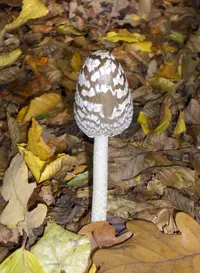
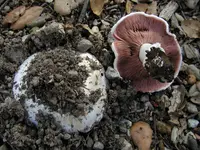
The Prince Care (Agaricus augustus)

The Prince

About The Prince

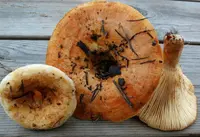
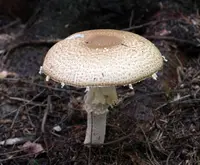
The Prince, Agaricus augustus, is a large, fleshy mushroom rather than a leafy plant. It forms sturdy, thick stems with broad, tan caps covered in fine brown scales and dense gills underneath. Mature specimens often develop a pronounced, sweet almond-like scent.

This species typically appears in coniferous and mixed woodlands, often near paths, hedges, or disturbed ground, especially in temperate regions of North America and Europe. It can be challenging to cultivate at home because it relies on complex relationships with soil organisms and specific environmental conditions.

Those who attempt to care for The Prince usually try to mimic cool, moist, humus-rich forest soils with moderate shade and stable, fresh air conditions.

Main Plant Requirements

Care Difficulty

Hard Care

Light Preference

Partial Shade

Water Requirements

Keep Soil Moist

Temperature Preference

Cool Climate

Hardiness Zone

Unknown

Soil Texture

Loamy, Organic-rich, Peaty

Soil pH

Acidic (5.5–6.5), Slightly acidic (6.5–7.0)

Soil Drainage

Moist but well-drained

Fertilization

Minimal (feed rarely)

Get Personalized Care Plan

Scan your plant to receive care tips personalized for your specific plant

Available on iOS and Android

How to Care for the The Prince

This woodland mushroom prefers bright, indirect light rather than full, open sun.

  • Provide dappled or filtered light under trees or shrubs, with 2–4 hours of gentle morning sun and shade during harsh afternoon sun.
  • Allow partial shade to deep shade; The Prince fruits best where the forest floor receives only brief sunflecks through the canopy.
  • Avoid full, exposed midday sun, which overheats and dries the substrate, reducing fruiting, especially in late spring and summer.

This species requires consistently moist, but not saturated, soil to support healthy mycelium growth.

  • Aim for evenly moist leaf litter or soil, letting the top 2–3 cm feel slightly damp rather than wet before watering or irrigating nearby vegetation.
  • Increase moisture during active growth and fruiting after rains; if caps appear small, dry, or crack, the substrate is likely too dry.
  • Avoid standing water and heavy, compacted soil, which cause sour smells, slimy mycelium, and reduced or aborted Agaricus augustus fruiting.

This mushroom performs best in cool to mild conditions typical of shaded woodland environments.

  • Optimal mycelium growth and fruiting usually occurs around 55–68°F (13–20°C), especially during cool, moist periods of late summer and fall.
  • It tolerates down to about 32°F (0°C), but hard frosts below this can damage fruiting bodies and slow or pause underground growth.
  • Prolonged heat above 77–82°F (25–28°C), especially with dry air and sun exposure, stresses the organism and sharply reduces fruiting.

This mushroom forming species needs consistently high air humidity to fruit well and avoid drying out.

  • Aim for 80–95% relative humidity during pinning and fruiting, kept as steady as possible.
  • Dry air causes caps to crack, edges to curl, and developing mushrooms to stall or remain very small.
  • Increase humidity with fine misting of the growing area, damp towels or trays of water near the bed, avoiding direct spray on The Prince itself.

Agaricus augustus grows best in a loose, compost-rich substrate that drains freely yet holds steady moisture.

  • Use a base of well-rotted compost or manure mixed with pasteurized straw or shredded leaves to create an airy, organic-rich bed.
  • Ensure excess water can drain away from the growing area, since waterlogged substrate encourages bacterial rot and competing molds.
  • Keep the substrate slightly acidic to neutral, around pH 6.0–7.0, adjusting with a small amount of agricultural lime if conditions are too acidic.
  • Improve structure and aeration by mixing in coarse materials such as chopped straw, wood shavings, or perlite rather than relying on dense garden soil.

This species is only moderately suitable for container growing and performs best in deep, well-managed outdoor tubs or boxes.

  • Choose a container at least 30–40 cm deep to allow a substantial substrate layer plus a casing layer without compacting the mycelium.
  • Use thick plastic or wooden tubs that buffer temperature swings and slow moisture loss compared with thin plastic pots.
  • Elevate the container slightly off the ground so drainage holes stay clear and excess water can escape quickly from the lower substrate.

This wild mushroom species is not a typical container or garden plant and generally does not benefit from targeted fertilization.

Agaricus augustus does not require pruning because it is a wild mushroom, not a woody or leafy ornamental plant.

Transplanting focuses on maintaining a healthy mycelium network rather than moving individual mushrooms.

  • Transplant only when a colonized substrate block outgrows its container or fruiting tub, or dries unevenly.
  • Plan work for cool, stable conditions to limit heat and moisture shock to the mycelium.
  • Lift and move the whole colonized substrate intact, disturbing it as little as possible.
  • After moving, maintain steady moisture and good airflow so the mycelium can reestablish contact with the new environment.

Spreading Agaricus augustus involves managing spores and mycelium rather than conventional plant propagation methods.

  • Use spore prints or colonized substrate to inoculate fresh, pasteurized organic material such as straw, woodchips, or compost.
  • Start in mild seasons, typically spring or early fall, to avoid temperature extremes that slow colonization.
  • Keep the new substrate evenly moist, shaded, and well aerated to support mycelial growth.
  • Avoid chemical fertilizers or fungicides around the inoculation site, as these can damage or suppress the developing mycelium.

This species survives outdoors via its mycelium, which is fairly cold tolerant in the ground and usually needs no special winter care in temperate climates.

Care Tips

Use clean spawn

Prepare grain or sawdust spawn from a reliable lab-grade source and disinfect tools and containers with 70% isopropyl alcohol before inoculation to reduce contamination from molds and bacteria.

Monitor fresh air

Provide gentle, filtered fresh-air exchange 2–4 times per day during fruiting (for example by briefly opening vents in a monotub or tent) to prevent long, weak stems and to keep carbon dioxide levels lower around developing mushrooms.

Control surface moisture

Mist the casing or substrate lightly and regularly so it stays evenly moist but never shiny-wet, and use a clear lid or plastic cover with small holes to maintain a humid microclimate without drowning the mycelium.

Stage temperature changes

Use a slightly warmer phase for colonization followed by a cooler, stable fruiting phase by moving containers between different rooms or shelves, which helps trigger reliable flushes when growing The Prince indoors.

Harvest at right stage

Cut mushrooms at the base with a clean knife when caps are still mostly closed and the veil is just beginning to stretch, then remove any remaining stem bases to keep the substrate surface clean and reduce rot and fungus gnat attraction.

Common Pests and Diseases

Green mold

This disease is caused mainly by Trichoderma species that colonize the compost or casing and outcompete the mushroom mycelium. Symptoms include dense green patches on the substrate surface and poor or aborted fruiting bodies.

Solution

Remove and discard heavily contaminated blocks or trays, and reduce handling that spreads spores between batches. Use well-pasteurized substrate, keep tools and surfaces clean, and maintain good ventilation to avoid overly wet, stagnant conditions that favor Trichoderma growth.

Cobweb mold

This disease develops as fast-spreading, grey to whitish, cobweb-like fungal growth on the casing or mushroom caps, often in high humidity and still air. Symptoms include soft, water-soaked lesions on fruiting bodies and rapid coverage of the substrate surface.

Solution

Isolate affected trays, carefully remove infected tissue, and slightly lower humidity while increasing gentle air movement. Spot-treat early infections with a light application of food-safe hydrogen peroxide solution on the surface and improve sanitation of growing areas and tools.

Bacterial blotch

This disease, often caused by Pseudomonas species, produces yellow to brown, greasy-looking spots on mushroom caps, especially under cool, very wet conditions. Symptoms include misshapen or slimy caps that deteriorate quickly after harvest.

Solution

Avoid prolonged surface wetness by reducing overhead misting directly on caps and improving air circulation so surfaces dry between irrigation cycles. Remove and discard affected mushrooms, keep tools and hands clean, and ensure water used for misting is clean and not recirculated without proper treatment.

Sciarid flies

These insects, also called fungus gnats, lay eggs in the substrate and the larvae feed on mycelium and developing primordia, leading to poor yields and distorted mushrooms. This pest can also vector molds and bacteria between growing units.

Solution

Use fine mesh screens on vents, sticky traps to monitor and reduce adult populations, and avoid leaving wet organic debris around the grow area. If pressure is high, apply a biological control such as Bacillus thuringiensis israelensis or beneficial nematodes to the substrate following label directions and maintain tight hygiene of compost handling areas.

Mite infestations

These pests include several saprophytic mite species that thrive in rich, moist mushroom substrates and can graze on mycelium or developing fruiting bodies. Symptoms include reduced pin formation, scarring on stems or caps, and visible small white or brown moving dots on the substrate or mushrooms.

Solution

Discard heavily infested substrate and clean the grow room thoroughly, including cracks and equipment where mites hide. Prevent reintroduction by storing compost securely, using clean casing materials, and, if needed, applying approved horticultural oils or soaps to non-crop surfaces between batches, combined with improved filtration and sanitation as part of Agaricus augustus care.

Interesting Facts

Distinct almond aroma

The fruiting bodies produce a strong sweet smell often compared to almond extract or marzipan, caused mainly by benzaldehyde and related aromatic compounds.

Characteristic cap scaling

Mature specimens typically show a pale background cap covered with dense, coarse, brown scales that arise as the surface breaks while the mushroom expands, giving it a rough and often patchy appearance.

Partial veil and ring

The gills start pale and become chocolate-brown as spores mature, while a persistent ring on the stem marks where the partial veil once covered the young gills, a key feature used to separate this species from some toxic look-alikes.

Botan icon

Did you know?

In some regions, populations of Agaricus augustus have declined noticeably near roadsides and urban areas, likely because the species is sensitive to heavy metal accumulation and other pollutants in soil, making it a useful informal indicator of local environmental quality.

FAQs about The Prince

This species is considered a choice edible mushroom when correctly identified, with a strong almond-like aroma. However, it has toxic look-alikes, so only experienced foragers should harvest it, ideally after confirmation from a local expert.

Grow Healthy Plants with Botan Care

Keep your plants happy and healthy with plant identification, disease detection, and easy care guidance.

Botan plant care app — identify plants on mobile

Explore More Plants