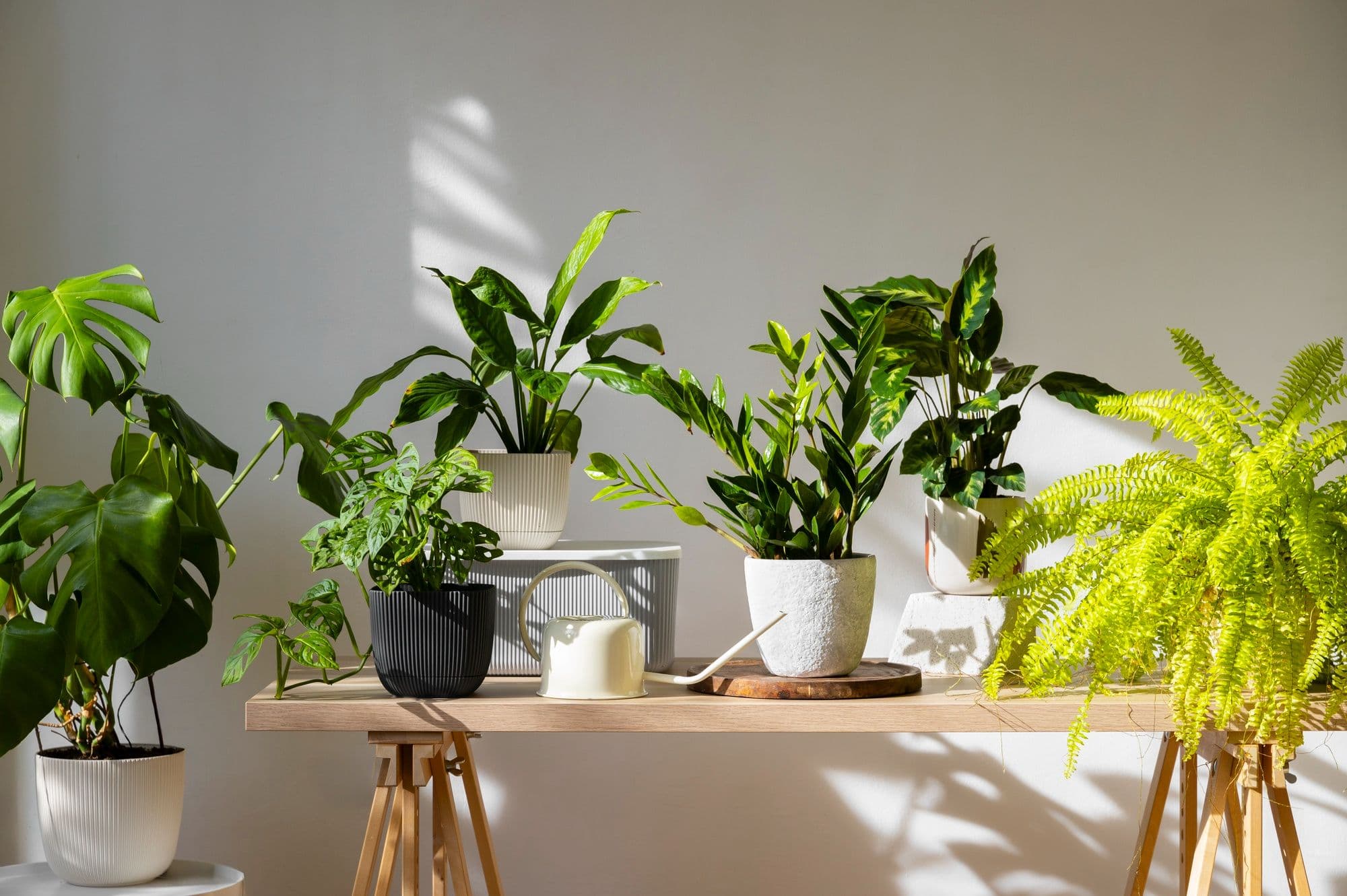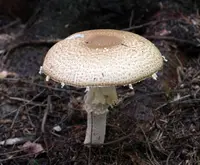


The Prince Identification (Agaricus augustus)

Recognize Agaricus augustus by its large cap, often 4 to 12 inches (10 to 30 cm) wide, covered with coarse brown scales over a pale background, plus a thick stem with a broad hanging ring.

The gills are free from the stem and start pale, creating a clear, structured mushroom profile at first glance.

Agaricus augustus Identification

Identify Your Plant with Botan

Use a clear photo to confirm what plant you have.

Clear images work best. Avoid photos taken too close or too far away

Check the mushroom’s cap, gills, stem, and ring before handling it much.

  • Cap broad and rounded to flat, often 4-12 inches (10-30 cm) across.
  • Cap surface pale with many brown, shaggy scales over the top.
  • Gills crowded and free from the stem, not attached to it.
  • Stem thick, sturdy, and club-shaped, usually with a large hanging ring.
  • Base lacks a cup-like volva and is simply swollen or bulbous.

Use several traits together, especially the scaled cap, free gills, and prominent ring.

Agaricus augustus shows clear, useful visual changes as the fruiting body expands and ages.

  • Young plant: Young buttons are rounded and compact, with the cap margin still attached to the stem by a partial veil; brown scales are present but less spread.
  • Mature plant: As it expands, the cap broadens to about 4-12 inches (10-30 cm), becoming convex to nearly flat, with coarse brown scaling clearer against the paler background.
  • Fruiting stage: At full fruiting, the veil breaks and leaves a large hanging ring on the stem; crowded gills are exposed and darken from pale to chocolate brown.

Agaricus augustus is most noticeable from late summer into fall, when its large mushrooms appear above ground. This is the key seasonal clue, since the species is otherwise absent from view. Fresh specimens show a pale cap covered with brown scales. As they expand with age, the cap flattens and the gills darken from pale to chocolate brown.

Several brown-scaled Agaricus can be mistaken for Agaricus augustus.

horse mushroom(Agaricus arvensis)

Similar size and pale cap can confuse beginners. It is usually smoother, lacking the coarse brown scales, and the ring is often more developed and persistent.

scaly wood mushroom(Agaricus langei)

This species also has a brown-scaled cap and sturdy build. It is usually smaller, and the cap scales are finer and darker rather than broad, shaggy patches.

flat-topped mushroom(Agaricus placomyces)

The brown-scaled cap can look similar at a glance. It usually shows a flatter cap with a darker central disc, not the thick, shaggy scaling typical of The Prince.

Agaricus augustus is native to Europe and is also recorded across parts of North America, where it occurs in similar temperate settings. Geography alone is not enough for identification, but it becomes more useful when paired with habitat. This mushroom is most often found in coniferous or mixed woodland, especially along paths, roadsides, and disturbed ground with woody debris. Seeing it in forested settings rather than open pasture helps narrow identification within Agaricus.

  • Serious look-alike risk: Agaricus augustus is an edible-looking mushroom, but misidentification can lead to poisoning in humans. A key dangerous confusion is Amanita species such as the death cap, whose fruiting body has white gills; Agaricus augustus has pink to chocolate-brown gills as it matures.
  • Do not rely on one trait: Ingestion is the main concern for humans and pets. Young mushrooms can be harder to judge, so a single feature such as cap color or size is not enough to rule out a harmful look-alike.

Check Your Plant ID

Use Botan to identify or confirm it from a photo, helping narrow down similar species before you label it.

FAQ

This species is usually found on rich soil or woody debris in conifer and mixed woods, often near paths, stumps, and disturbed ground. Habitat helps with Agaricus augustus identification when paired with its almond-like odor and large, brown-scaled cap.

More Plant Identification Guides

Identify Your Plant and Learn More

Snap a photo with Botan to identify it, then get species-specific plant details, care information, and safety notes.

Botan app identifying a plant from a photo
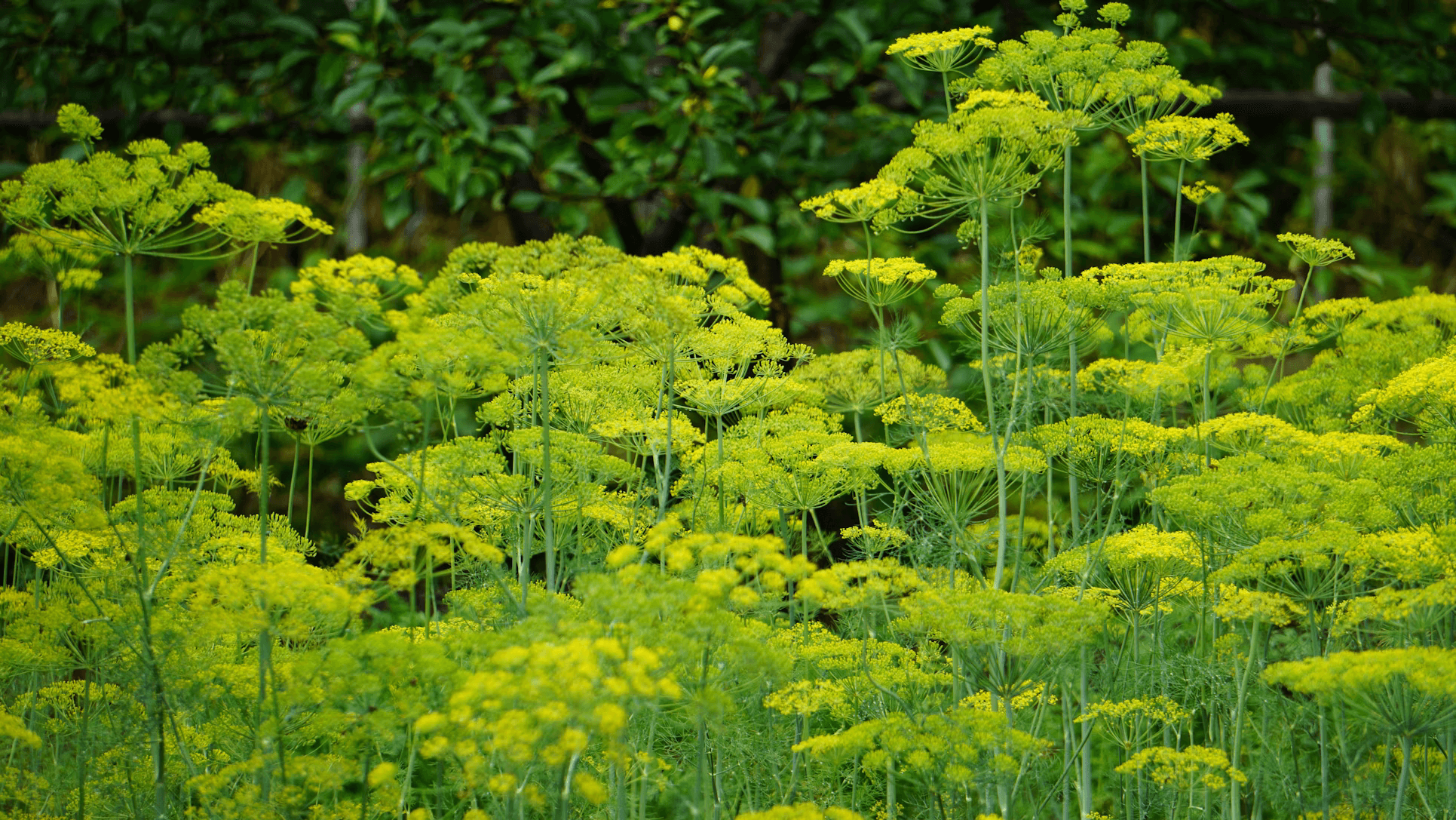
Dill Companion Plants – What to Grow Next to Dill

9 min read · 17 Jul 2026

Dill Companion Plants – What to Grow Next to Dill

Dill is an easy-to-grow plant that gets along well with many vegetables. This guide describes 15 plants that can be planted alongside it, a few to avoid, and mistakes that can quietly sabotage the entire process.

Plant Recommendations
Dill Companion Plants – What to Grow Next to Dill
How to Water Houseplants: Watering Guide

7 min read · 24 Aug 2026

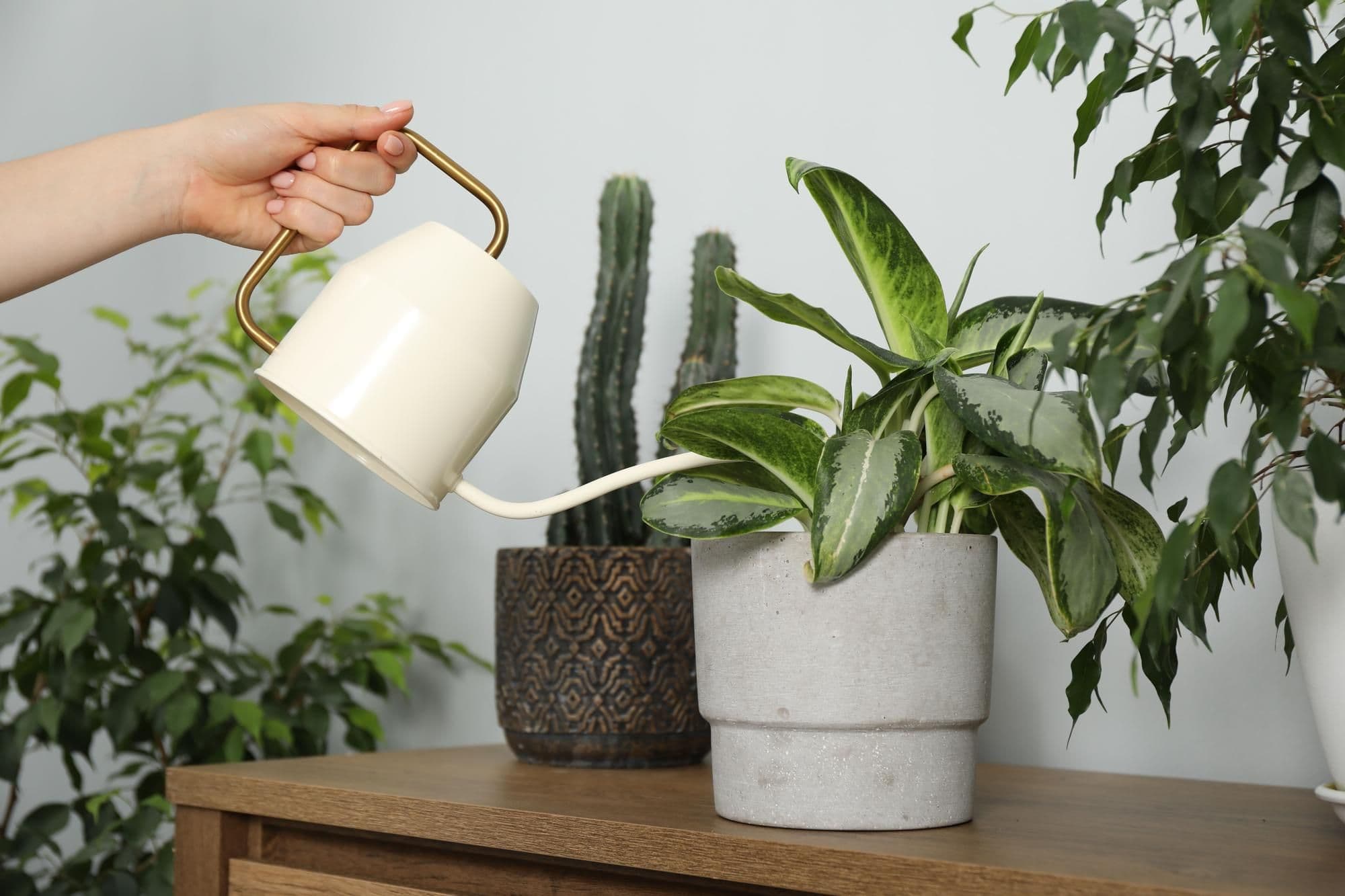
How to Water Houseplants: Watering Guide

Learn how often to water indoor plants, key factors for proper watering, and how to adjust the care routine by plant type, season, pot size, light, and indoor conditions.

Plant Care
How to Water Houseplants: Watering Guide
Top 5 Best Indoor Plants for Air Quality

5 min read · 11 Sept 2026

Top 5 Best Indoor Plants for Air Quality

Indoor plants can make a room feel fresher thanks to their air-purifying qualities. Here are 5 of the most suitable choices for your routine and living space.

Plant Recommendations
Top 5 Best Indoor Plants for Air Quality