


7 min read · 24 Aug 2026
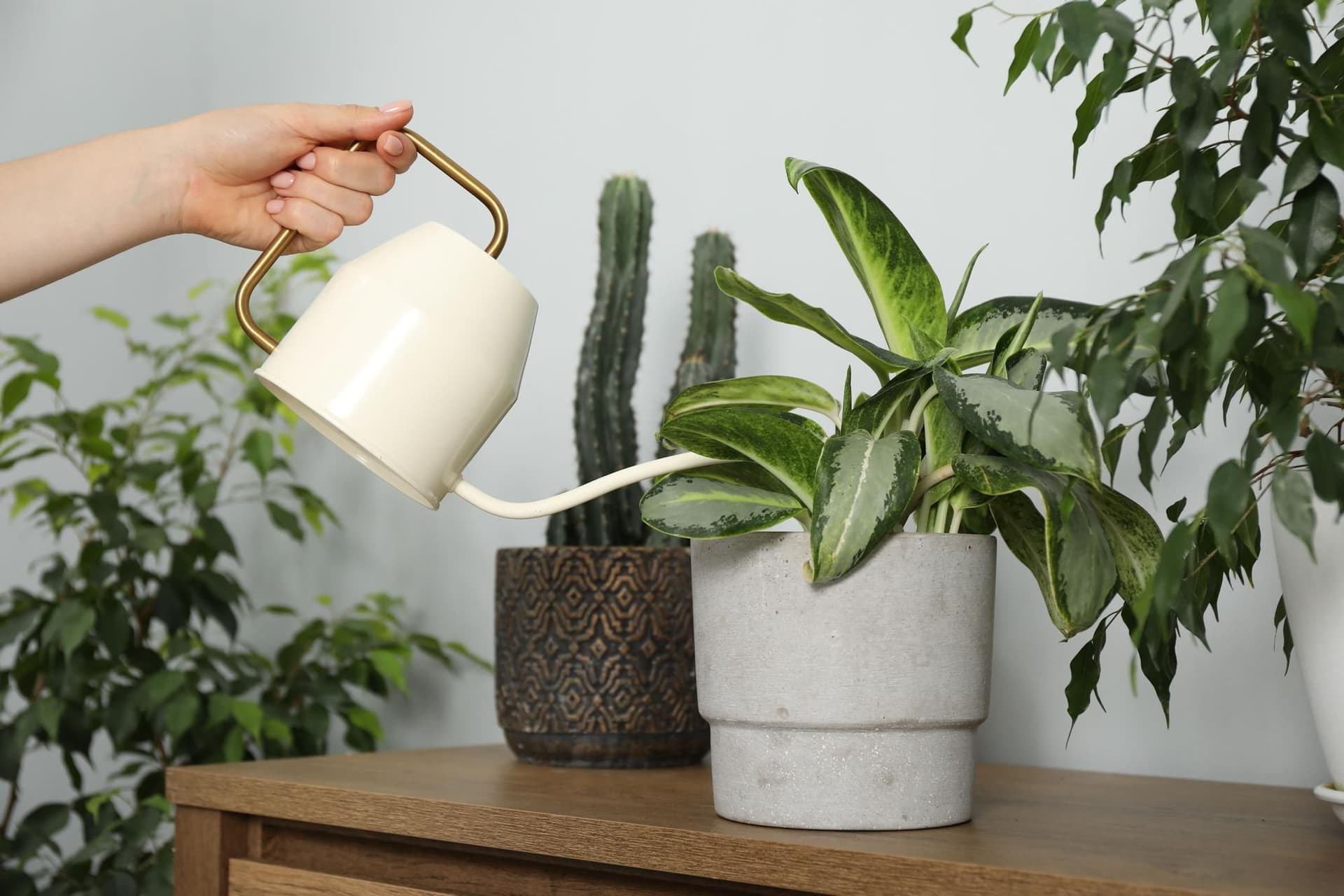
How to Water Houseplants: Watering Guide
Learn how often to water indoor plants, key factors for proper watering, and how to adjust the care routine by plant type, season, pot size, light, and indoor conditions.
Plant Care


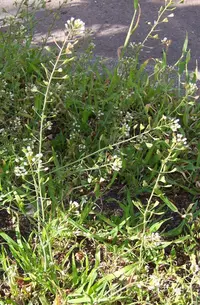
To recognize shepherd's purse, look first for a basal rosette of deeply lobed leaves and one or more slender, upright stems rising above it. Plants are usually under 20 inches (50 cm) tall.
The clearest clue is the flat, heart-shaped seed pods hanging along the stem below small four-petaled white flowers.
Upload a clear image to check whether your plant ID is correct.
Clear images work best. Avoid photos taken too close or too far away
Check the plant’s low leaf rosette, tiny white flowers, and flat heart-shaped seed pods.
The pod shape is often the fastest visual clue.
Shepherd's purse shows clear stage-to-stage changes in leaf form, stem structure, flowers, and fruits.
From late winter into spring, shepherd's purse often shows a low basal rosette of lobed leaves before the flowering stalk becomes obvious. As the season advances, slender upright stems carry small white four-petaled flowers above the rosette. Through spring and into summer, the most useful clue is the flat, heart-shaped seed pods lined along the stem. In mild areas, green rosettes may persist into fall or winter.
A few mustard-family weeds are regularly mistaken for shepherd's purse.
pepperweed(Lepidium virginicum)
Both form a basal rosette and small white flowers. Pepperweed differs by its round, flat seedpods, not heart-shaped pods with a notch at the top.
field pennycress(Thlaspi arvense)
It can look similar when young because both have white four-petaled flowers and seedpods on upright stems. Field pennycress has larger, round coin-like pods and clasping upper leaves.
hairy bittercress(Cardamine hirsuta)
This small weed can resemble it at the rosette stage. Hairy bittercress has compound leaves with separate leaflets, while Capsella bursa-pastoris has simple lobed leaves and heart-shaped pods.
Capsella bursa-pastoris is native to Europe, western Asia, and North Africa. It is now widespread far beyond that range, so habitat often helps more than geography. Look for it in disturbed ground: garden beds, crop fields, roadsides, vacant lots, and cracks in pavement. Finding it in compacted, weedy sites strongly supports identification.
Plant Photo ID
Upload a plant photo and recognize it with 98% accuracy
Use Botan to identify or confirm it from a photo, which helps reduce mix-ups before you label or remove it.
The clearest feature is the flat, triangular to heart-shaped seed pods with a notch at the tip. They hang along slender stems above a basal rosette, making shepherd's purse identification much easier than flowers alone.
Upload a photo to identify it with Botan, then review plant details, care information, and common problems for that species.

7 min read · 24 Aug 2026
Learn how often to water indoor plants, key factors for proper watering, and how to adjust the care routine by plant type, season, pot size, light, and indoor conditions.
5 min read · 9 Jul 2026
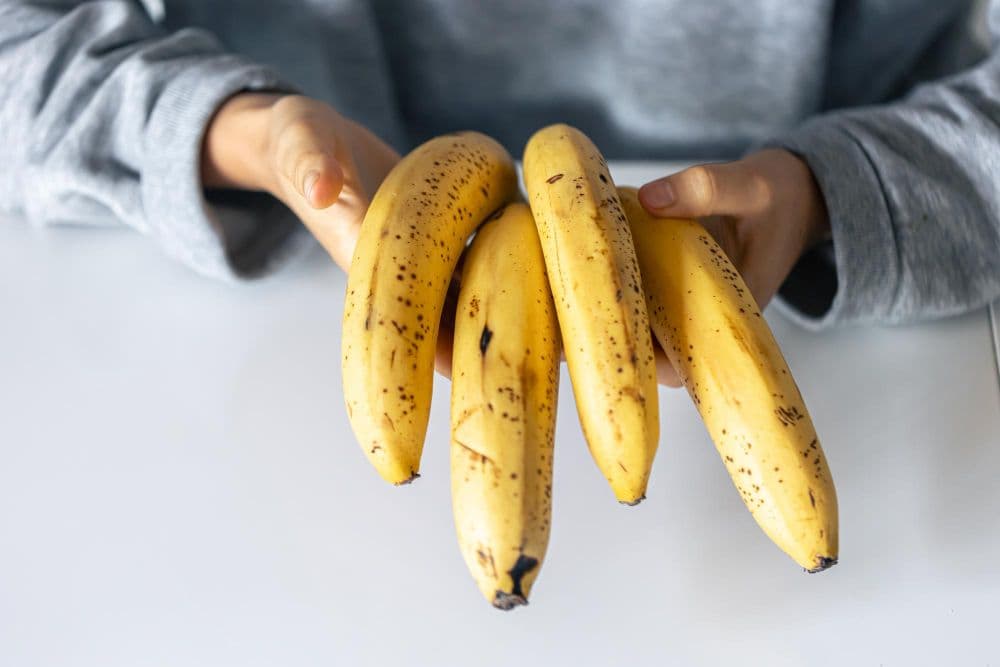
Banana water can provide potassium and some nutrients that may support plant growth, but it is not a universal fix. Use it carefully and only when the plant actually shows signs of nutrient deficiency rather than as a routine treatment.
9 min read · 17 Jul 2026
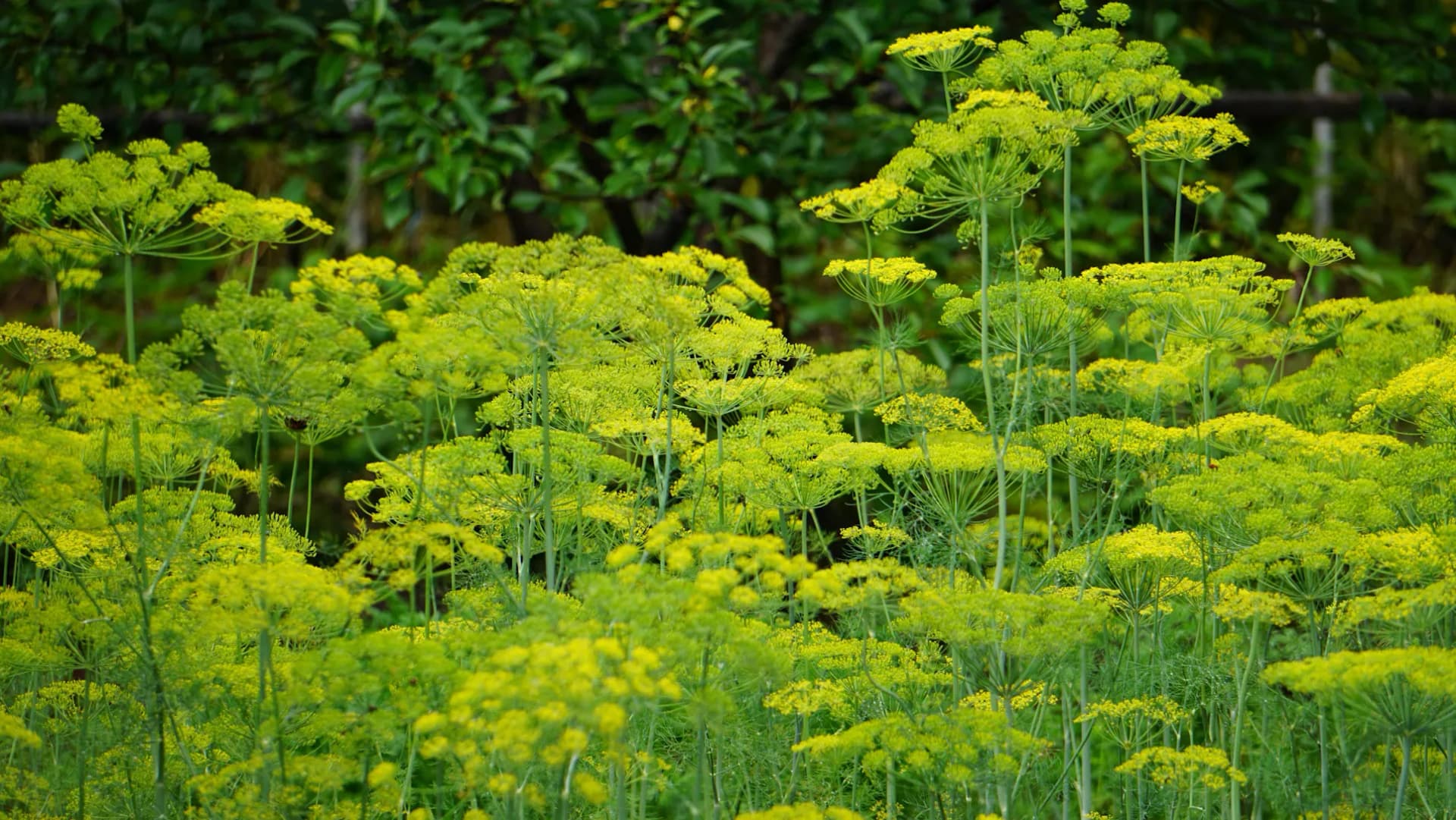
Dill is an easy-to-grow plant that gets along well with many vegetables. This guide describes 15 plants that can be planted alongside it, a few to avoid, and mistakes that can quietly sabotage the entire process.