


silver maple Identification (Acer saccharinum)

Recognize silver maple by its opposite leaves with five deep, narrow lobes and very deep sinuses, usually 4 to 6 inches (10 to 15 cm) across. The leaf undersides are distinctly silvery, and the twigs often form an open, irregular crown.

Mature trunks commonly separate into several large upright limbs low on the tree.

Acer saccharinum Identification

Identify a Plant by Photo

Upload a plant photo and check the identification in seconds.

Clear images work best. Avoid photos taken too close or too far away

Use these visible traits to check for Acer saccharinum.

  • Leaves are opposite on the twig and usually 4 to 6 inches (10 to 15 cm) across.
  • Each leaf has 5 deep, narrow lobes with sharply pointed tips and long V-shaped sinuses.
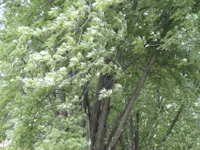
  • The leaf underside looks pale and silvery, especially when the foliage moves in wind.
  • Twigs are slender and often droop slightly, giving branch tips a soft, hanging outline.
  • Fruits hang in paired winged samaras, each pair with long wings that spread widely apart.

Check several leaves and a fruiting branch when possible, since form can vary across the crown.

Silver maple shows clear visual shifts from seedling leaves to mature bark, flowers, and fruit.

  • Seedling: First leaves are opposite and simple, but often shallowly lobed or irregular, unlike the deeply cut adult blades; stems are slender and green.
  • Young plant: Leaves become more distinctly 5-lobed and deeply sinused, often 4-6 inches (10-15 cm) long, while the plant keeps a narrow trunk and ascending branches.
  • Mature plant: The crown broadens and becomes irregularly rounded, with long arching limbs and a stout trunk; bark changes from smooth gray to shaggy, peeling strips.
  • Fruiting stage: Paired winged samaras hang in clusters; each pair is noticeably large, about 1.5-2.5 inches (4-6 cm) across, making fruiting branches easy to recognize.

Several named silver maple selections are recognizable by crown shape and leaf form.

  • 'Laciniatum': Leaves are much more deeply cut than typical, with narrow lobes that give the canopy a finer, lace-like texture.
  • 'Pyramidale': The crown is narrowly upright to columnar rather than broad and spreading, often staying distinctly vertical in outline.
  • 'Born's Graciosa': Branchlets and leaves have a strongly pendulous habit, creating a weeping crown unlike the usual arching form.

In early spring, Acer saccharinum often flowers before the leaves fully expand, so clusters of small yellowish to reddish flowers can stand out on otherwise bare twigs. The winged fruits mature quickly and may be visible by late spring to early summer. Leaves turn pale yellow in fall rather than bright red. After leaf drop, the tree’s open branching and shaggy, peeling gray bark are easier to see.

A few maples are regularly mistaken for silver maple.

Red maple(Acer rubrum)

Both can have 3-5 lobed leaves and winged seeds. Red maple leaves usually have shallower sinuses and a pale green, not strongly silvery, underside. Its samara wings are usually narrower.

Freeman maple(Acer × freemanii)

This red maple × silver maple hybrid often combines deep lobes with a fast-growing maple habit. It is separated by leaves that look intermediate, usually less deeply cut than silver maple, and by a less distinctly silvery leaf underside.

Acer saccharinum is native to eastern and central North America, from southern Canada through the eastern United States and west into the Great Plains in parts of its range. In the wild, it is most characteristic of floodplains, riverbanks, stream edges, swamps, and other wet bottomland woods. Finding a maple in low, wet ground near freshwater is a useful clue, especially where periodic flooding helps narrow identification.

Confirm It from a Photo

Use Botan to identify or verify a plant from an image when you want a quicker, more confident answer.

FAQ

In winter, look for opposite branching, reddish-brown twigs, and large red flower buds that often open before leaves. The bark becomes shaggy on older trunks, with long strips peeling and curling at the edges.

More Plant Identification Guides

Find the Plant. Get the Details.

Identify a plant from a photo with Botan, then review species-specific care information, safety notes, and common problems.

Botan app identifying a plant from a photo
Frozen vs Fresh Vegetable Nutrients: Which Option Is Healthier?

6 min read · 8 Sept 2026

Frozen vs Fresh Vegetable Nutrients: Which Option Is Healthier?

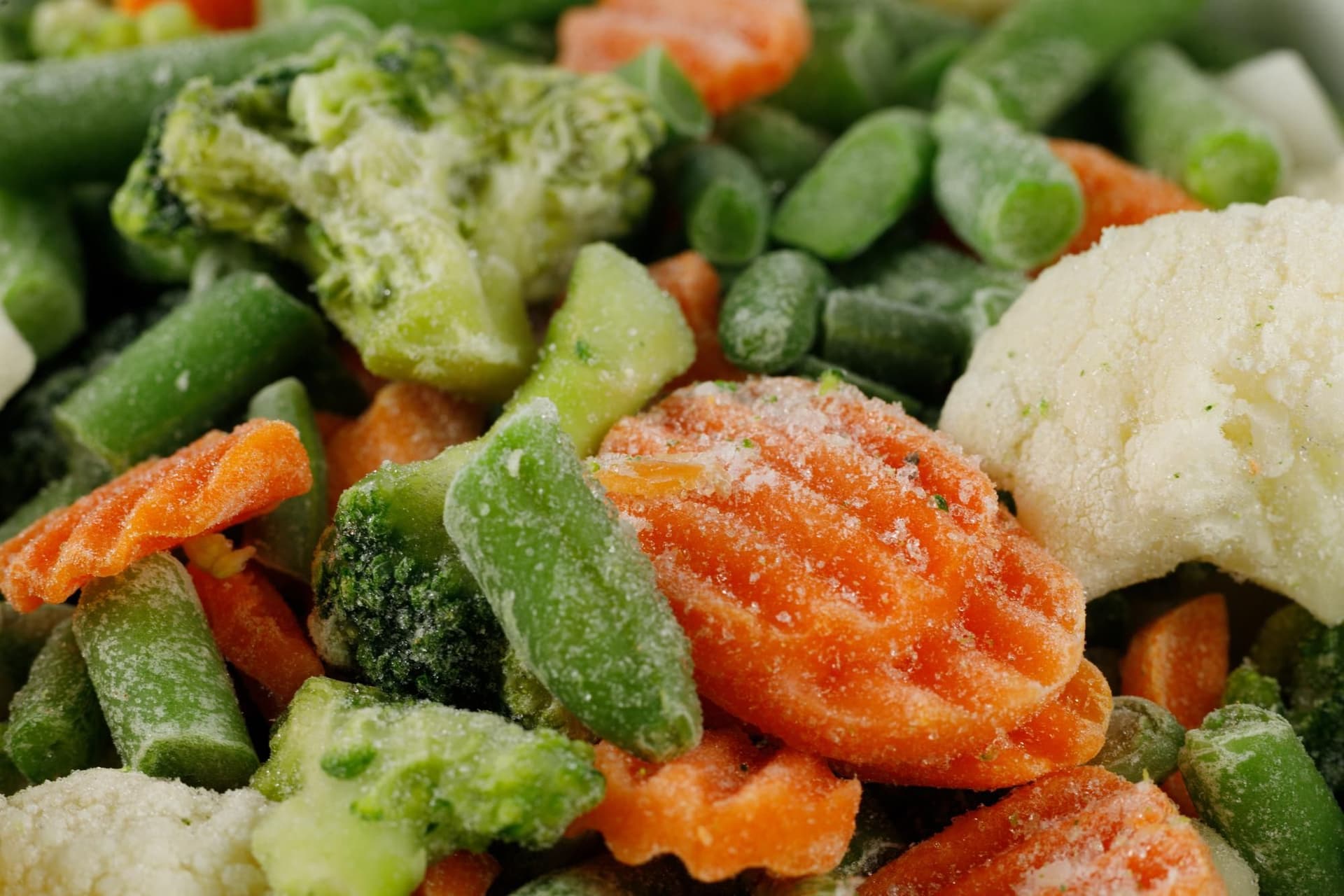
Frozen and fresh vegetables are nutritionally comparable: frozen produce often retains vitamins just as well as fresh and may sometimes contain more. Here’s how blanching and storage affect nutrients—and when to choose each.

Plant Recommendations

Frozen vs Fresh Vegetable Nutrients: Which Option Is Healthier?
Best Bedroom Plants – Top 10 to Grow in Your Space

8 min read · 8 Jul 2026

Best Bedroom Plants – Top 10 to Grow in Your Space

Discover the top 10 houseplants that are suitable for growing in your bedroom. Compare their light and water needs, pet safety, and benefits. Find out where best to place greenery in your relaxation space and what species to avoid.

Plant Recommendations
Best Bedroom Plants – Top 10 to Grow in Your Space
Plants That Repel Mosquitoes – 10 Effective Choices

8 min read · 6 Jul 2026

Plants That Repel Mosquitoes – 10 Effective Choices

Plants that repel mosquitoes can help mask human scent naturally and make outdoor spaces more comfortable. Explore the most effective options, their benefits and drawbacks, and choose the right plant for your space.

Plant Recommendations
Plants That Repel Mosquitoes – 10 Effective Choices