


Deer Mushroom Identification (Pluteus cervinus)

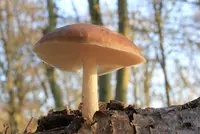
Recognize Deer Mushroom by its medium to large brown cap, free crowded gills, and a central stem with no ring or volva. Caps are often 2-5 inches (5-13 cm) wide.

The gills do not touch the stem, which is one of the clearest first checks for Pluteus cervinus.

Pluteus cervinus Identification

Scan to Confirm Deer Mushroom

Upload a plant photo and check the identification in seconds.

Clear images work best. Avoid photos taken too close or too far away

Check the cap, gills, and stem shape first.

  • Cap is broad and bell- to convex-shaped, often 2-5 inches (5-13 cm) across, usually smooth and brown to gray-brown.
  • Gills are crowded, free from the stem, and show a clear gap where they stop before touching it.
  • Stem is central, pale, smooth, and ringless, usually with a slightly swollen base.
  • Flesh looks fairly soft, with a cap that appears wider than the stem is tall in many specimens.

A free-gilled brown cap on a ringless pale stem is the most useful visual combination.

Pluteus cervinus shows clear age-related changes in cap shape, gills, and stem proportions.

  • Young plant: Button-like fruit bodies begin with a rounded to bell-shaped brown cap, often darker at the center, and pale crowded gills still partly hidden by the cap edge.
  • Mature plant: As Deer Mushroom expands, the cap becomes broadly convex to nearly flat, about 2-5 inches (5-13 cm) across, with free gills turning pink from maturing spores.
  • Fruiting stage: Fully developed specimens show the most diagnostic contrast: a smooth brown cap, pink free gills, and a white stem lacking a ring, often more elongated than in younger forms.

Several wood-growing mushrooms can be mistaken for Deer Mushroom.

rooting shank(Hymenopellis radicata)

Similar tan to brown cap and pale gills on wood. It differs by a long rooting stem base and gills attached to the stem, not free.

fawn mushroom(Volvariella bombycina)

Also grows on wood and can have free pinkish gills. It is usually white to silvery and silky, and it has a volva, a cup at the stem base.

elm oyster(Hypsizygus ulmarius)

Young specimens can suggest the same pale gills and brownish cap tones. Its gills run down the stem or attach broadly, rather than staying free from it.

Pluteus cervinus is widely reported across temperate North America and Europe, with records from other temperate regions as well. Habitat is a strong identification clue. It grows on decaying wood, including logs, stumps, and buried wood, in forests, parks, and wood-chip beds. Finding it on wood rather than directly from soil helps narrow it from similar brown mushrooms in leaf litter or grass.

Pluteus cervinus is a mushroom, so the main safety issue is misidentification. It can be confused with brown Entoloma species, some of which are poisonous to humans if eaten. A key visible difference is the spore print: Pluteus cervinus has a pink spore print and free gills, while Entoloma has pink spores but gills attached to the stem.

Does Your Plant Match?

Use Botan to compare a photo and help confirm the identification before you label or log it.

FAQ

The clearest feature is its free gills that start pale and turn pink as the pink spore print develops. The cap is usually brown to gray-brown, often smooth or finely fibrous, on decaying wood.

More Plant Identification Guides

Find Out What Plant It Is

Identify a plant from a photo with Botan, then get practical plant details, care information, and safety notes.

Botan app identifying a plant from a photo
Best Time to Water Grass in Summer – Lawn Watering Tips

5 min read · 21 Jul 2026

Best Time to Water Grass in Summer – Lawn Watering Tips

Summer watering is easy to get wrong. This guide explains when to turn on your sprinkler, how much liquid your grass needs each week, and how to tell if you're overwatering or underwatering.

Plant Care
Best Time to Water Grass in Summer – Lawn Watering Tips
Can Plants Grow With Artificial Light?

6 min read · 15 Sept 2026

Can Plants Grow With Artificial Light?

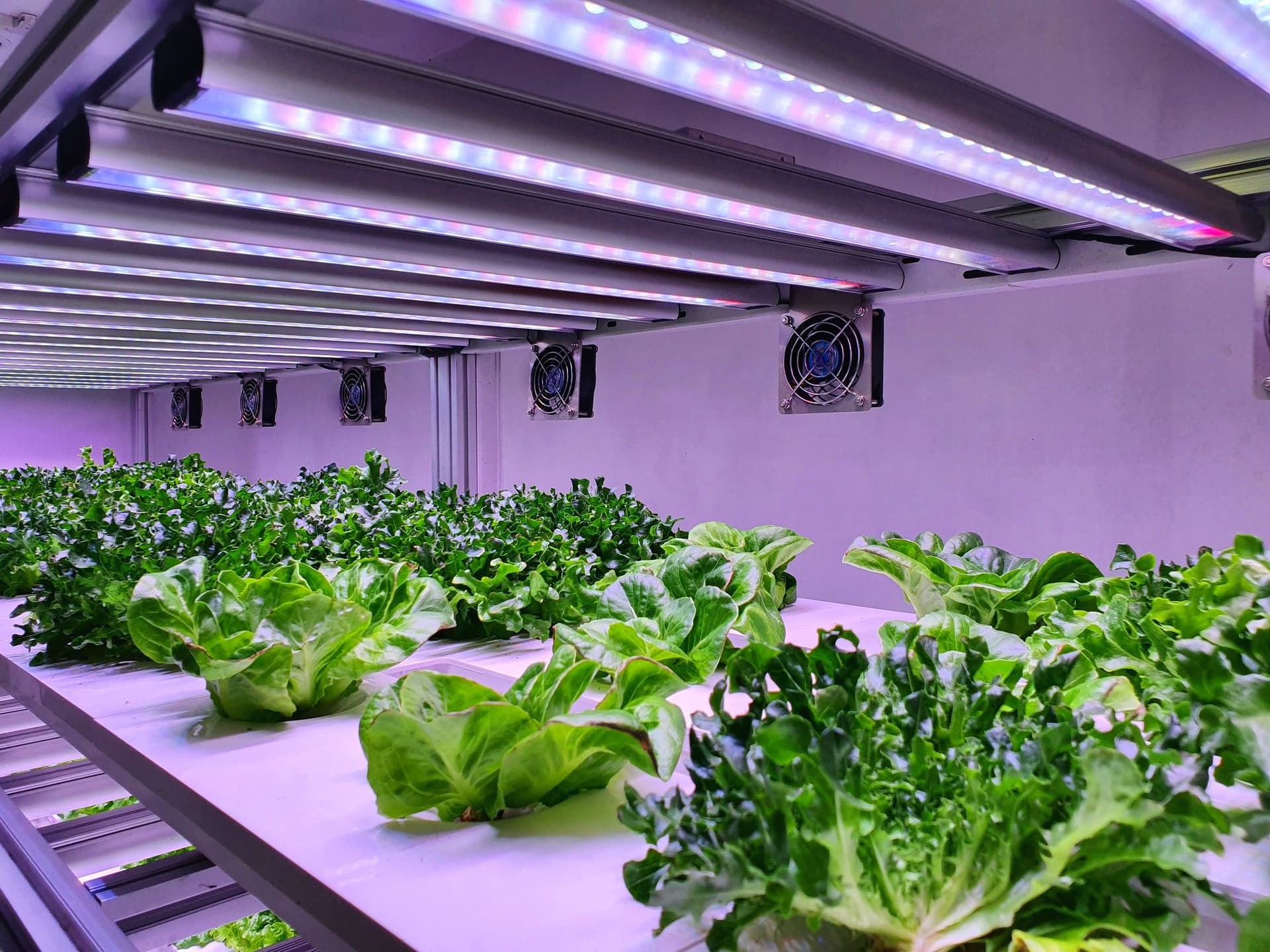
Plants can grow under artificial light when the setup provides a suitable spectrum, enough intensity, and sufficient daily exposure. This guide explains how artificial lighting compares with sunlight, which options work indoors, and how to match a setup to houseplants.

Plant Care
Can Plants Grow With Artificial Light?
Best Time to Mow Lawn – A Complete Guide

5 min read · 10 Aug 2026

Best Time to Mow Lawn – A Complete Guide

Explore when to mow your lawn for its health and a pleasant green color. Find out the best time for this task during the summer heat, and follow practical tips for correctly cutting the grass, and learn common mistakes to avoid.

Plant Care
Best Time to Mow Lawn – A Complete Guide