
slippery elm Identification (Ulmus rubra)

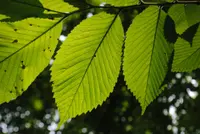
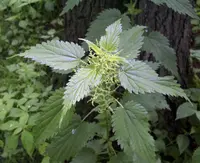
Recognize slippery elm by its broad, alternate leaves with a strongly uneven base and doubly toothed edges. Leaves are often 4 to 8 inches (10 to 20 cm) long.

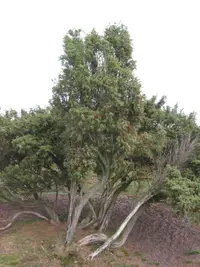
Also check the twigs: they are stout and usually hairy, and the crown often forms a broad, rounded shape.

Ulmus rubra Identification

Check Your Plant ID

Check your plant ID by uploading a clear photo to Botan.

Clear images work best. Avoid photos taken too close or too far away

Check the leaves, bark, and winged seeds for Ulmus rubra.

  • Leaves are alternate, simple, and usually 4-8 inches (10-20 cm) long, with a strongly uneven leaf base.
  • Leaf edges are doubly serrated, and the surface looks coarse rather than glossy.
  • Twigs are stout, with buds pressed close to the twig and covered in rusty hairs.
  • Bark is dark gray-brown with long flat ridges and broad, shallow furrows.
  • Seeds are round, papery samaras with a wing all around the seed.

Use several features together, since bark and leaves are the quickest checks at close range.

Ulmus rubra shows useful visual shifts from sapling form to flowering and fruiting branches.

  • Young plant: Young plants are upright and slender, with a narrow crown, thin gray-brown stems, and noticeably larger rough leaves, often 4-8 inches (10-20 cm) long.
  • Mature plant: Mature trees develop a broad, rounded crown with spreading limbs and a thicker trunk; bark becomes darker and more deeply furrowed than on younger plants.
  • Flowering stage: Flowering twigs carry small, dense clusters of reddish flowers before full leaf expansion, making branch tips look dotted rather than leafy.
  • Fruiting stage: After flowering, branches show flat, round samaras with a seed centered in each wing, creating a papery clustered look absent earlier.

In spring, Ulmus rubra flowers before or as the leaves emerge, so small reddish to greenish flower clusters may be visible on otherwise bare twigs. Soon after, round, papery winged seeds appear and can briefly make the crown look pale tan. By fall, the rough leaves turn dull yellow, then drop. Winter reveals the tree’s gray-brown, furrowed bark and broad, arching branch structure more clearly.

Several elms can be mistaken for slippery elm at a glance.

American elm(Ulmus americana)

Similar because both have alternate, oval leaves with uneven bases. American elm usually has smoother upper leaf surfaces and doubly serrated margins, while Ulmus rubra has distinctly rough, sandpapery leaves and often larger, thicker blades.

Rock elm(Ulmus thomasii)

Similar because both can have rough, dark leaves and ridged bark. Rock elm leaves are usually smaller, often 2 to 4 inches (5 to 10 cm) long, and twigs often show corky wings; slippery elm lacks those winged twigs.

Ulmus rubra is native to eastern and central North America, from southern Quebec and Maine west to the Dakotas and south to Texas and Florida. It is most often found in moist upland woods, rich slopes, streambanks, and floodplain forests. In its native range, seeing an elm in mesic hardwood forest helps narrow identification toward slippery elm rather than species more tied to drier sites or planted settings.

Confirm the Species with Botan

Upload a photo to compare key details and help verify the plant before labeling it or moving to the next step.

FAQ

The clearest clue is the inner bark. When cut or chewed, it becomes slick and mucilaginous, meaning it turns slippery with moisture. In slippery elm identification, the leaves are also rough above and very uneven at the base.

More Plant Identification Guides

Identify It. Learn More About It.

Use Botan to identify a plant from a photo, then view plant details, care information, and common problems.

Botan app identifying a plant from a photo
How to Winterize Your Garden in 6 Steps

5 min read · 28 Sept 2026

How to Winterize Your Garden in 6 Steps

Learn how to prepare your garden for winter with a practical six-step checklist covering cleanup, tender plant care, watering, mulching, winter protection, and winterizing equipment and containers.

Plant Care
How to Winterize Your Garden in 6 Steps
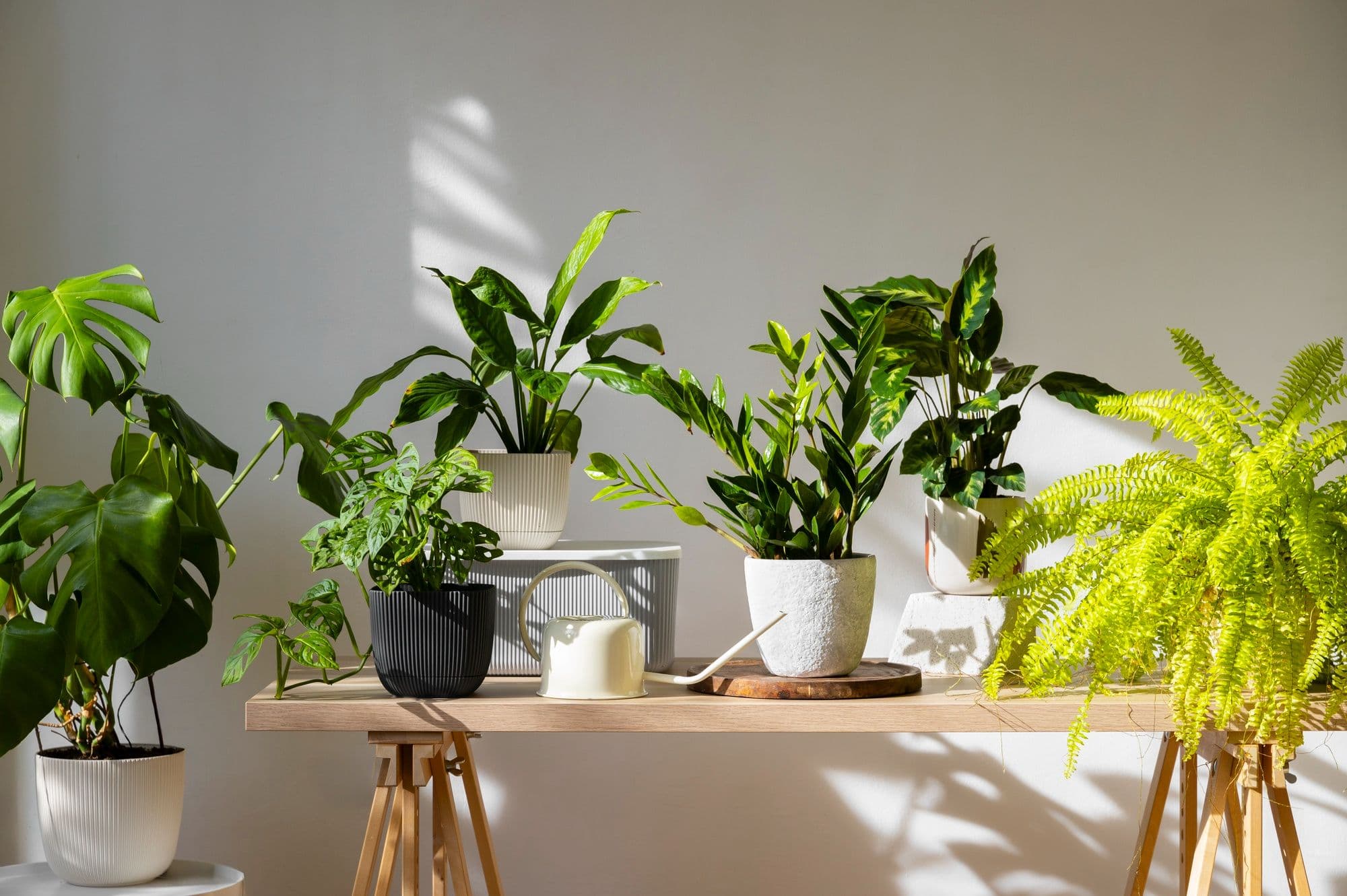
Top 5 Best Indoor Plants for Air Quality

5 min read · 11 Sept 2026

Top 5 Best Indoor Plants for Air Quality

Indoor plants can make a room feel fresher thanks to their air-purifying qualities. Here are 5 of the most suitable choices for your routine and living space.

Plant Recommendations
Top 5 Best Indoor Plants for Air Quality
Best Time to Water Grass in Summer – Lawn Watering Tips

5 min read · 21 Jul 2026

Best Time to Water Grass in Summer – Lawn Watering Tips

Summer watering is easy to get wrong. This guide explains when to turn on your sprinkler, how much liquid your grass needs each week, and how to tell if you're overwatering or underwatering.

Plant Care
Best Time to Water Grass in Summer – Lawn Watering Tips